Two VR Venues Team Up: RezBlue + White Rabbit
RezBlue and White Rabbit VR Immersive Entertainment Center, two prominent venues specializing in virtual reality experiences, have joined forces to…
Read more...
extra! the newsletter for operators and immersive venue owners -

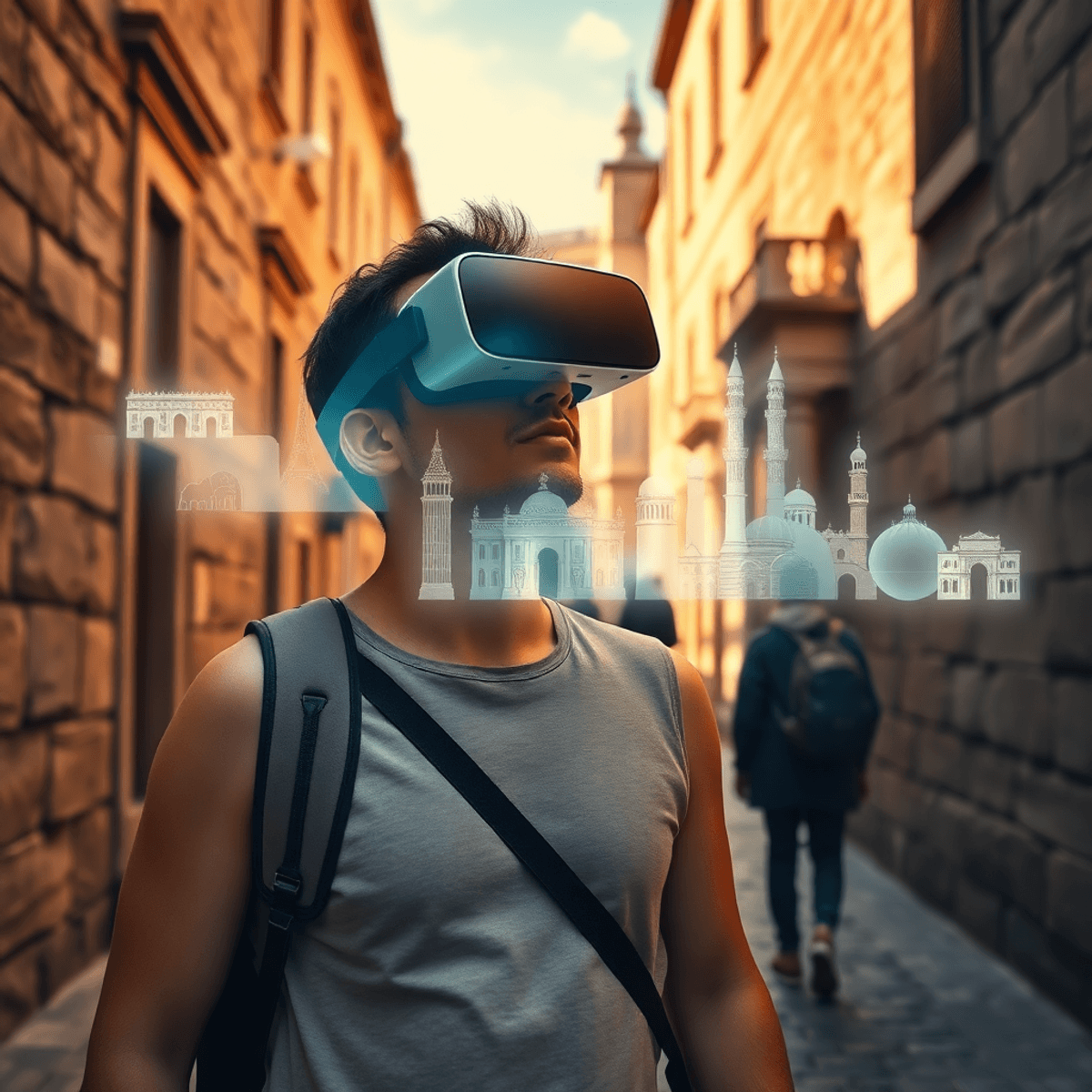
The Tower of David Museum has taken a bold step in cultural tourism by launching Israel’s first mobile virtual-reality walking tour in Jerusalem. This pioneering initiative offers visitors an unprecedented opportunity to experience ancient Jerusalem not just through sights, but through immersive technology that transports you back in time.
This innovative use of virtual reality technology in tourism sets a new benchmark for historical exploration. Instead of passively viewing artifacts or ruins, you become an active participant walking the streets as they existed during King Herod’s reign. The tour blends the physical environment of Jerusalem’s Old City with rich digital reconstructions, making history vivid and tangible.
For anyone interested in historical VR tours in Jerusalem, this project reflects emerging tourism trends VR is shaping worldwide. It transforms traditional sightseeing into a multi-sensory journey where past and present coexist seamlessly. Visitors gain deeper insight into the city’s heritage while engaging with cutting-edge technology designed to educate and inspire.
Experience Jerusalem like never before—where every step forwards is also a step back through millennia.
The creation of Jerusalem’s first mobile VR walking tour is the result of a strategic collaboration between three key players: the Tower of David Museum, the ToD Innovation Lab, and Lithodomos VR. Each partner brings unique strengths that shape this groundbreaking project into an immersive cultural experience.
Serving as the historic and cultural anchor, the museum provides the rich archaeological context and access to Jerusalem’s iconic sites. Its role extends beyond curation to actively pioneering new ways to engage visitors through technology.
Established about a year ago within the Tower of David Museum, this lab has a clear mission—to integrate cutting-edge technologies like VR into cultural heritage preservation and presentation. It functions as a hub for experimenting with interactive museum experiences VR, pushing boundaries on how history is shared.
An international leader in immersive virtual reality, Lithodomos VR brings extensive expertise from producing acclaimed experiences in historic cities such as Rome, Barcelona, London, and Lisbon. Their knowledge of crafting accurate, engaging reconstructions ensures high-quality digital storytelling.
This partnership exemplifies how modern technology can intersect with archaeology and narrative craft:
Combining these fields results in a deeply interactive museum experience that leverages VR technology for cultural heritage like never before in Israel. Visitors don’t just see artifacts or ruins; they virtually inhabit Jerusalem as it stood two thousand years ago. This integration showcases the potential for technology-enabled cultural tourism to transform how ancient history is taught and appreciated today.
King Herod’s architectural legacy shapes much of what you see in Jerusalem today. His ambitious building projects during the Herodian time period transformed the city into a grand urban center. The VR tour offers a detailed reconstruction of Herod’s Jerusalem, bringing these ancient marvels back to life with immersive technology.
You explore the city as it stood during the Second Temple period, using 360-degree 3D footage that surrounds you with vivid, historically accurate visuals. The experience is enhanced by narrative guidance that explains the significance of each site, providing context that connects the past with your present location.
The VR tour doesn’t just show you buildings; it immerses you in the Second Temple period virtually in Jerusalem so you can grasp how these spaces functioned socially, religiously, and politically. This level of engagement deepens your understanding far beyond what traditional tours offer.
Here are some of the key landmarks you will discover on this virtual reality journey:
Experiencing these sites as they appeared during King Herod’s reign brings history into tangible focus. You gain insight into construction techniques, urban planning, and cultural dynamics of ancient Jerusalem. The combination of visual immersion and expert storytelling turns abstract historical facts into living history you can walk through.
The VR walking tour in Jerusalem offers participants a seamless blend of cutting-edge technology and historical immersion. Each visitor is equipped with a Samsung Gear VR headset coupled with a Samsung Galaxy S7 phone, creating a portable yet powerful virtual reality system. This combination ensures high-quality visuals and smooth performance, essential for rendering detailed 360-degree reconstructions of ancient Jerusalem.
Personal earphones accompany the gear to deliver clear, immersive audio narration. This setup allows you to hear expertly crafted stories and descriptions while remaining fully engaged in the visual experience. The use of individual earphones also maintains an intimate atmosphere, minimizing external distractions as you move through different sites.
A standout feature is the integration of GPS guidance in VR tours. As you physically walk through the Old City streets, the GPS syncs your real-time location with the virtual content displayed in the Oculus headset guided tours. This location-based VR approach triggers specific historical reconstructions and narratives exactly when you reach key viewpoints such as the Western Wall or Robinson’s Arch. The precision of GPS technology enhances authenticity by aligning digital overlays perfectly with the physical environment.
The narration is available in both Hebrew and English, making it accessible to a diverse range of tourists. You can choose your preferred language at the start of the tour, ensuring clear understanding regardless of your background. This bilingual approach broadens the tour’s appeal and facilitates deeper engagement with Jerusalem’s rich heritage.
By combining mobile hardware like the Samsung Gear VR headset and Galaxy S7 phone with GPS-enabled location tracking and personal audio narration, this first mobile virtual-reality walking tour in Jerusalem takes you back in time—right where history happened.
The mobile virtual-reality walking tour Israel offers a unique blend of physical exploration and digital immersion. Tourists are not confined to a static exhibit or a single VR booth. Instead, you walk through the bustling streets of modern Jerusalem while your view is transformed by VR overlays that reconstruct ancient scenes. This mobility allows you to experience history layered onto the present-day cityscape, blending reality with virtual time travel.
Interactive storytelling drives the tour’s appeal. Expert guides’ narratives are integrated seamlessly with immersive visuals, creating a multi-sensory environment that goes beyond traditional audio guides or static displays. The VR narrative guided tours invite you to engage deeply with each landmark’s story, as the combination of spoken history and vivid 3D reconstructions stimulates both sight and sound for a richer understanding.
A critical technological feature is the use of GPS to trigger specific historical reconstructions at precise moments during your walk. As you approach notable Old City sites—such as the Second Temple or Robinson’s Arch—the system automatically activates relevant VR content exactly when you reach these virtual-reality viewpoints Jerusalem landmarks. This synchronization ensures contextually meaningful experiences without manual controls, making the tour intuitive and immersive.
Key highlights of what makes this VR walking tour stand out include:
This innovative approach transforms typical sightseeing into an active exploration where technology amplifies your connection to Jerusalem’s rich heritage.
The integration of virtual reality technology into tourism reflects a significant shift in how travelers engage with historic sites. Projects like the Tower of David Museum’s VR walking tour highlight the virtual reality technology impact on tourism industry by offering immersive experiences that go beyond traditional sightseeing. Visitors no longer just observe; they are transported visually and contextually, deepening their connection to the cultural narrative.
The success of this VR walking tour exemplifies a growing global trend where augmented reality (AR) and virtual reality (VR) redefine visitor experiences at heritage locations. These technologies allow tourists to explore reconstructions of ancient environments, providing context that static plaques or guidebooks cannot match. This immersion encourages longer visits, increased engagement, and a stronger appreciation for cultural heritage.
Leveraging GPS integration combined with narrative-driven VR content creates a model easily adaptable to other historic cities around the world. Imagine walking through Rome’s Forum or exploring ancient Barcelona streets with real-time location triggers activating historically accurate visualizations. This mobility and personalization elevate guided tours into customizable learning journeys tailored to individual pace and interests.
Cultural heritage preservation through VR tours offers solutions to challenges posed by physical site degradation, restricted access, or potential damage caused by high tourist traffic. Digitally reconstructing sites allows wider accessibility without risking wear and tear on original structures. Educational institutions benefit as well, since students can virtually visit otherwise inaccessible locations, gaining detailed insights without geographical constraints.
By reducing dependency on physical proximity to vulnerable sites, VR tours contribute to sustainable tourism practices. They help balance visitor influx with conservation needs, ensuring that future generations can continue to experience these treasures firsthand—albeit sometimes digitally—while minimizing environmental and structural impacts.
The intersection of technology, archaeology, and storytelling embodied in this project points toward future trends mobile virtual reality tours worldwide will likely follow: combining immersive media with smart location services to create personalized, informative, and engaging travel experiences that protect cultural legacies while expanding their reach.
Joining the mobile virtual-reality walking tour in Jerusalem offers a unique way to experience the city’s ancient past firsthand. Here’s what you need to know about booking and participating in this innovative journey through time.
The first mobile virtual-reality walking tour in Jerusalem is available to the public starting on Sukkot (September 23).
Tickets can be booked directly through the Tower of David Museum’s official website or at their visitor center located near the Old City entrance.
Group sizes are limited to maintain an intimate and manageable experience, so early reservations are recommended.
Tours run daily during peak tourist seasons, with specific time slots designed to avoid overcrowding and ensure personalized guidance.
All tours begin at the Tower of David Museum, where participants receive an introductory briefing and equipment fitting.
From there, you will walk through the Old City, covering key sites such as the Western Wall, Robinson’s Arch, Jewish Quarter, and Cardo, guided by GPS-synchronized VR content.
Expect a total duration of approximately two hours, allowing ample time to absorb both modern-day surroundings and immersive historical reconstructions.
Participants are lent a complete VR setup including:
This hardware combination ensures full immersion into Herod’s Jerusalem while maintaining ease of use for tourists unfamiliar with VR technology.
The walking route follows pedestrian-friendly paths around Jerusalem’s Old City landmarks, minimizing exposure to vehicular traffic or hazardous terrain.
Museum staff provide clear safety instructions before departure, emphasizing awareness of surroundings while using headsets outdoors.
Breaks are incorporated into the tour schedule for participants to remove headsets, rest their eyes, and engage with guides directly if desired.
This careful integration of technology with physical movement makes it possible to explore ancient Jerusalem safely without sacrificing immersion or engagement.
Expect a seamless blend of reality and virtual history as you physically traverse Jerusalem’s streets while visually stepping back two millennia:
This approach redefines cultural tourism by inviting you not just to visit historic sites but to inhabit them through cutting-edge technology.
Israel’s launch of its first mobile virtual-reality walking tour in Jerusalem is a significant milestone in how technology reshapes cultural tourism. With VR, you can discover how it enhances understanding ancient cities by immersing yourself directly into the historical fabric of places like Herod’s Jerusalem. This innovative experience not only brings history to life but also deepens your connection with the past through vivid, interactive storytelling.
Immersive technologies like VR are becoming essential tools for making historical sites accessible and engaging to modern travelers. By combining physical exploration with digital reconstruction, you gain perspectives that traditional tours cannot offer. The Tower of David Museum’s pioneering project highlights innovative trends tourism technology Israel is embracing to preserve heritage and attract diverse audiences.
Expect similar initiatives worldwide to expand cultural tourism horizons by:
This first mobile virtual-reality walking tour in Jerusalem takes tourists back in time, setting a benchmark for how immersive tech can transform urban heritage experiences. As these technologies evolve, your future travels will likely include even more dynamic, personalized ways to explore history — blending education, entertainment, and preservation seamlessly.
Engage with this new frontier of cultural discovery and see how the past unfolds before your eyes in ways never possible until now.
The first mobile virtual-reality walking tour in Jerusalem is an innovative experience launched by the Tower of David Museum that allows tourists to explore ancient Jerusalem through immersive VR technology, transporting them back in time to the Herodian period and the Second Temple era.
The VR walking tour was developed through a collaboration between the Tower of David Museum, the ToD Innovation Lab, and Lithodomos VR, combining expertise in archaeology, technology, and storytelling to deliver an interactive cultural heritage experience.
Participants use Samsung Gear VR headsets paired with Samsung Galaxy S7 phones and personal earphones for immersive audio narration. The tour integrates GPS technology to synchronize location-based VR content with real-time walking paths around Old City landmarks.
Tourists can virtually visit key landmarks such as the Second Temple, Western Wall, Robinson’s Arch, Jewish Quarter, and Cardo, experiencing these sites as they appeared during King Herod’s era in the Second Temple period through 360-degree 3D footage and narrative guidance.
By digitally reconstructing fragile or inaccessible historic sites using immersive VR technology, the tour preserves cultural heritage without physical wear. It also educates visitors by providing detailed historical narratives and visualizations that enrich understanding of ancient Jerusalem.
Tourists can book their participation through the Tower of David Museum, where they will receive all necessary equipment including Samsung Gear VR headsets and Galaxy S7 phones. The tours are guided with dual-language narration (Hebrew and English) and include safety procedures for outdoor exploration.