Spring Festival, Reimagined: AR + AI in Chinese Museums
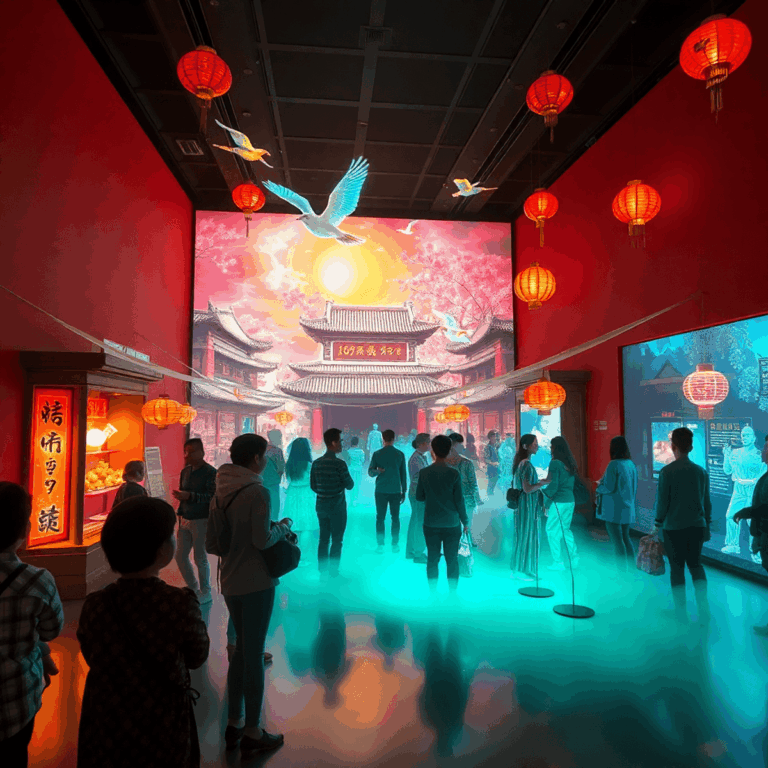
Chinese museums are using technology to create immersive Spring Festival experiences that redefine traditional cultural celebrations. The Spring Festival, which…
Read more...
extra! the newsletter for operators and immersive venue owners -

The American Amusement Machine Association (AAMA) plays a crucial role in the coin-operated amusement industry. As an international not-for-profit trade organization, AAMA represents manufacturers, distributors, suppliers, service providers, and location operators dedicated to advancing this dynamic sector.
AAMA is proud to announce that its VR Connect Virtual Reality Equipment Sanitation Guide for Location-Based Entertainment Businesses was a key document utilized by ASTM International in developing new industry standards. This recognition marks a significant achievement for location-based entertainment (LBE) businesses and the broader amusement industry. It underscores AAMA’s commitment to promoting best practices that ensure safe and enjoyable immersive experiences.
This article explores the details of this important collaboration between AAMA and ASTM International. You will gain insights into how the VR Connect guide shapes health and safety standards in LBE venues, setting benchmarks that benefit operators and guests alike.
ASTM International is a global leader in creating voluntary consensus standards that guide industries worldwide. Founded over a century ago, ASTM has built a reputation for delivering reliable technical standards designed to improve product quality and enhance safety.
In the amusement sector, these standards play a crucial role by:
The involvement of ASTM International in endorsing sanitation practices for virtual reality equipment reflects its commitment to evolving industry needs. This endorsement elevates hygiene protocols to recognized levels of authority, benefiting location-based entertainment venues with trusted frameworks to safeguard guest health.
AAMA recognized early on that location-based entertainment (LBE) venues face unique challenges in maintaining hygienic conditions for virtual reality equipment. The VR Connect sanitation guide was developed with these specific needs in mind, providing a tailored framework to help operators implement effective cleaning protocols for VR equipment.
The guide addresses the inherent hygiene challenges posed by shared VR gear. High-contact surfaces combined with close facial contact create potential vectors for germs and pathogens. By standardizing sanitation processes, the guide helps LBEs reduce these risks significantly.
This document goes beyond simply listing cleaning steps; it establishes a foundation for comprehensive industry standards. It sets expectations not only for cleanliness but also for consistent implementation across different types of LBE businesses. This consistency is critical as immersive technologies become more widely adopted and public scrutiny of health measures increases.
The influence of the VR Connect sanitation guide extends into ASTM International’s published standards, demonstrating its role as a key reference point. As more venues adopt these protocols, customer confidence grows—knowing that their health and safety are prioritized through proven methods.
By focusing on practical solutions tailored specifically to virtual reality devices used in entertainment settings, AAMA’s guide defines a clear path forward in managing the unique sanitation challenges of immersive technology environments.
The American Amusement Machine Association (AAMA) is proud to announce that its VR Connect Virtual Reality Equipment Sanitation Guide for Location-Based Entertainment Businesses was a key document utilized by ASTM International. This collaboration led to the publication of two new industry standards in 2025, both heavily influenced by the sanitation guide.
Two New ASTM Industry Standards Influenced by AAMA’s Guide:
Both standards establish a baseline for health and safety compliance applicable to LBE businesses worldwide. They reflect a growing recognition within the amusement industry sanitation standards landscape that rigorous protocols are essential for protecting guests and employees alike.
The ASTM adoption of AAMA guide elevates sanitation from an operational concern to a codified industry expectation. By embedding the VR Connect guide’s recommendations into formal standards, LBEs gain a clear framework to implement best practices confidently. These standards also facilitate regulatory alignment and help venue operators demonstrate due diligence in managing public health risks associated with high-contact immersive technologies.
This milestone highlights how AAMA’s proactive development of specialized sanitation guidance directly shaped global amusement industry sanitation standards. The impact extends beyond individual venues, setting precedents that influence manufacturers, distributors, and service providers involved with VR equipment across diverse LBE environments.
The American Amusement Machine Association (AAMA) has broadened its focus beyond traditional virtual reality to encompass a wider range of immersive technologies. This shift is reflected in the renaming of its VR Committee to the XR and Immersive Technology Committee. The committee now oversees standards and best practices not only for virtual reality (VR) but also for:
This expansion aligns with the rapid evolution of location-based entertainment (LBE) venues, where immersive experiences are no longer limited to VR headsets alone. Augmented and mixed reality experiences overlay digital content onto the real world or blend physical and virtual environments seamlessly, providing diverse forms of engagement for guests.
The inclusion of haptics and wearable devices addresses the growing demand for tactile feedback and more natural interaction methods within immersive environments. These technologies enhance realism and immersion, helping LBEs offer memorable experiences that stand out in a competitive market.
Integrated display technologies cover a broad spectrum of hardware innovations — from advanced optics to spatial audio systems — all contributing to richer sensory experiences. The XR and Immersive Technology Committee’s broadened scope ensures that sanitation guidelines, safety protocols, and operational standards keep pace with these emerging trends.
As LBEs adopt increasingly sophisticated immersive tech, consistent guidance on cleaning, maintenance, and safe use across this expanded technology set becomes critical. The committee’s work supports operators in managing not just VR headsets but an entire ecosystem of hardware that interacts closely with users in high-contact settings.
This evolution reflects how AAMA anticipates industry needs by proactively adapting standards development to include new categories of immersive technology. It positions the association as a leader in setting comprehensive health, safety, and quality benchmarks that resonate with current and future LBE innovations.
Location-based entertainment (LBE) venues are rapidly evolving into immersive experiences where guests engage physically with equipment such as VR headsets, controllers, and haptic devices. These high-contact environments bring a pressing need to prioritize location-based entertainment safety to protect both guests and staff from potential health risks.
Sanitation guides like AAMA’s VR Connect Virtual Reality Equipment Sanitation Guide provide practical frameworks tailored specifically for immersive technologies used in LBEs. Their value lies in:
“Implementing standardized sanitation procedures safeguards guest health without compromising the immersive quality that draws people to LBEs.” – Observed trend among industry experts
Adhering to these guidelines demonstrates a commitment to guest welfare, which translates into stronger brand reputation and compliance with emerging regulatory expectations. It also reassures guests that their well-being is taken seriously in environments where physical interaction is unavoidable.
Consistent application of hygiene standards contributes directly to:
The focus on health and safety in amusement venues reflects a broader shift toward integrating public health considerations into entertainment design and management. For LBEs, hygiene standards are no longer optional but essential components of responsible business practice.
The use of virtual reality has moved well beyond entertainment. Education, healthcare, and professional training industries increasingly rely on immersive technology for interactive learning, patient therapy, and skills development. This expansion demands a consistent approach to hygiene to protect users in various settings.
Key points driving the need for standardized sanitation include:
The American Amusement Machine Association (AAMA) is proud to announce that its VR Connect Virtual Reality Equipment Sanitation Guide for Location-Based Entertainment Businesses was a key document utilized by ASTM International in crafting two new standards published in 2025. These standards serve as foundational references not only for amusement but also for other industries adopting immersive technologies globally.
Benefits of global hygiene standards for VR spaces:
Standardized sanitation practices create a safer environment for all users. As immersive technology continues to integrate into daily life—from education labs to clinical settings—such guidelines become essential tools. They help balance innovation with responsibility, allowing organizations to leverage VR’s benefits without compromising health or reliability.
Adopting these standards supports sustainable growth of immersive experiences worldwide by making hygiene an integral part of device deployment and management strategies.
Pete Gustafson, Executive Vice President of AAMA, highlights the association’s pride and responsibility in shaping sanitation standards for immersive entertainment. He states:
“We are truly honored to have contributed to the industry in such a meaningful way. We will continue to update the AAMA VR Connect Virtual Reality Equipment Sanitation Guide.”
This statement reflects AAMA’s dedication to best practices within the amusement and location-based entertainment sectors. The association recognizes that health and safety remain paramount as virtual reality and other immersive technologies rapidly evolve.
AAMA’s leadership plays a pivotal role in uniting manufacturers, venue operators, suppliers, and regulatory bodies. This collaboration encourages:
By fostering these efforts, AAMA helps build consumer trust in immersive experiences. Guests can feel confident that their entertainment environments meet rigorous cleanliness criteria without compromising enjoyment.
The proactive stance taken by Pete Gustafson and AAMA ensures ongoing commitment to safe use of virtual reality, augmented reality, and mixed reality devices in LBEs. Their leadership sets a foundation for industry-wide innovation paired with robust health safeguards, allowing immersive technology to thrive responsibly in public venues.
Location-based entertainment (LBE) operators looking to ensure top-tier hygiene and safety standards for their VR equipment can find the VR Connect sanitation guide for location-based entertainment businesses directly through the American Amusement Machine Association (AAMA). This guide, which served as a key document utilized by ASTM International in developing new industry standards, is designed to be both practical and comprehensive.
Where to access the guide:
The availability of this guide online allows LBE operators to easily incorporate established sanitation practices into their daily operations. The guide offers detailed cleaning protocols, maintenance schedules, and safety recommendations tailored specifically for immersive technology environments.
Implementing the guidelines involves:
By integrating these steps, you not only comply with recognized industry standards but also build customer confidence through visible commitment to health and safety. Accessing and following the VR Connect guide positions your business at the forefront of responsible immersive entertainment operations.
The American Amusement Machine Association (AAMA) is a leading trade association representing manufacturers and distributors in the coin-operated amusement industry. It plays a pivotal role in advocating for industry standards, promoting safety, and supporting businesses involved in location-based entertainment.
ASTM International has utilized AAMA’s VR Connect Virtual Reality Equipment Sanitation Guide as a key document in developing new voluntary consensus standards for sanitation in location-based entertainment venues. This recognition marks a significant achievement for both AAMA and the broader amusement industry by establishing comprehensive health and safety protocols.
AAMA’s VR Connect Sanitation Guide was developed to provide detailed cleaning protocols and maintenance practices specifically tailored for virtual reality devices used in location-based entertainment businesses. The guide addresses hygiene challenges unique to VR equipment, ensuring that venues maintain high standards of cleanliness to protect guest health.
By adopting AAMA’s VR Connect Sanitation Guide, ASTM International published two new industry standards in 2025 that enhance sanitation requirements across location-based entertainment businesses worldwide. These standards ensure consistent health and safety compliance, fostering safer environments for guests engaging with immersive technologies.
AAMA has broadened its scope through the XR and Immersive Technology Committee to include augmented reality, mixed reality, haptics, wearable systems, and integrated display technologies. This evolution aligns with emerging trends in immersive experiences within location-based entertainment industries, supporting comprehensive standards across diverse technologies.
Location-based entertainment operators can access the complete VR Connect Virtual Reality Equipment Sanitation Guide directly through the American Amusement Machine Association’s official website. This resource provides essential guidelines to implement effective sanitation practices for virtual reality equipment within their venues.