Spring Festival, Reimagined: AR + AI in Chinese Museums
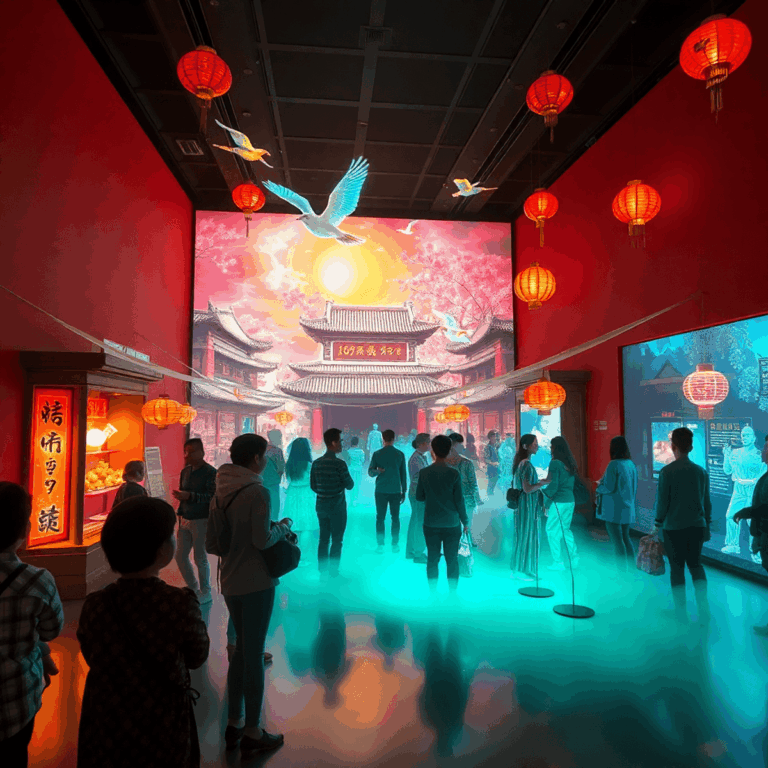
Chinese museums are using technology to create immersive Spring Festival experiences that redefine traditional cultural celebrations. The Spring Festival, which…
Read more...
extra! the newsletter for operators and immersive venue owners -

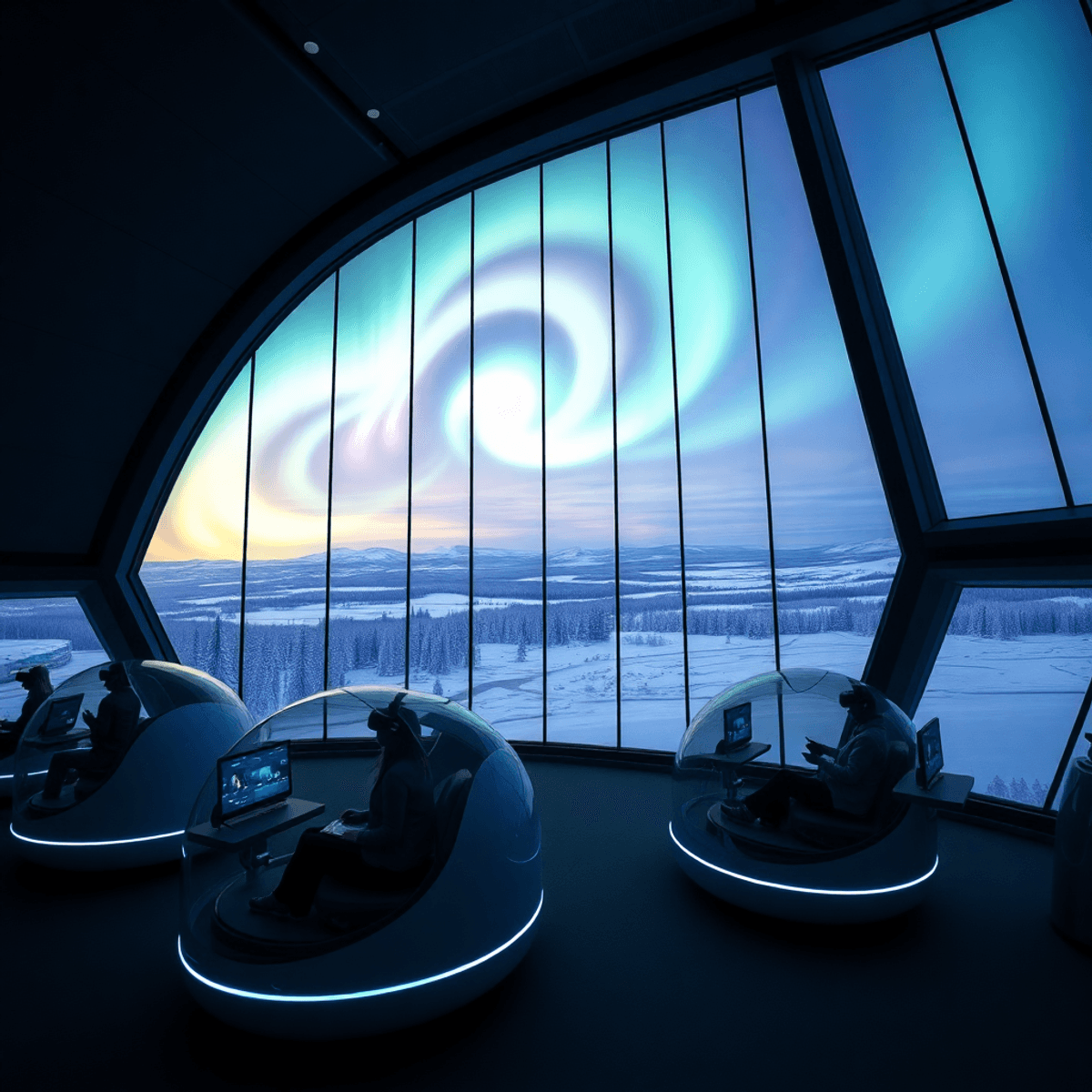
The Aurora Museum in Mohe, Heilongjiang’s northernmost city, offers a groundbreaking way to experience the aurora borealis. Located at one of China’s prime spots for viewing these natural light displays, the museum combines natural wonder with cutting-edge digital technology.
Key highlights include:
This museum redefines how you connect with the aurora borealis, blending immersive experiences with advanced technology to bring northern lights closer than ever before.
The Shenlu Museum stands proudly in Beiji village, nestled near the frozen banks of the Heilongjiang River. This aurora-themed museum captures the essence of China’s northernmost landscapes, where the natural spectacle of the aurora borealis holds deep cultural and environmental significance.
Beiji village, known for its prime location to view the northern lights, offers visitors an opportunity to experience this rare event up close. The aurora borealis is not only a breathtaking sight but also represents the powerful connection between nature and local traditions in this icy region.
Built in record time, the museum covers an area of 1,000 square meters and was finished within five months. This rapid construction reflects the importance placed on establishing this new cultural landmark.
The Shenlu Museum has quickly become synonymous with Mohe’s identity, inviting tourists to explore both natural wonders and advanced digital experiences that bring auroras closer than ever before.
The Aurora Museum in Mohe offers visitors a chance to dive deep into the mysteries of the aurora borealis through eight distinct VR digital realms. Each realm is uniquely designed to spotlight different facets of auroras and their surrounding natural phenomena, creating a multi-dimensional learning environment.
Virtual reality (VR) technology transforms these themes into fully immersive environments. You don a headset and step into dynamic, 360-degree worlds where vivid colors ripple across simulated night skies or where you can virtually manipulate solar particles with hand movements. This level of immersion brings complex scientific concepts within intuitive reach, making the invisible forces behind auroras tangible and awe-inspiring.
The use of VR enables a sensory-rich experience that surpasses traditional exhibit methods — instead of passively reading information or viewing static images, you become an active participant in the aurora’s story. This hands-on approach deepens understanding while stirring personal wonder at one of nature’s most spectacular phenomena.
The Aurora Museum in Heilongjiang introduces an augmented reality (AR) object recognition table that transforms the way visitors engage with exhibits. This interactive feature allows you to explore detailed information about auroras and the unique regional geography through hands-on learning. By placing specific objects or images on the table, the AR system instantly recognizes them and overlays rich digital content—videos, animations, and scientific explanations—directly onto the display.
Situated within the roaming display area, this AR tool complements the museum’s eight VR digital realms and VR classroom setup. It bridges physical artifacts with digital layers, creating a seamless learning experience that deepens your appreciation of the aurora borealis alongside local geography. This technology-driven approach aligns perfectly with the museum’s mission to innovate natural science education using cutting-edge digital solutions.
The Aurora Museum’s VR classroom represents a significant advancement in immersive education technology. It is equipped with sixteen state-of-the-art VR headsets, allowing groups of visitors—students, educators, and enthusiasts—to participate in interactive learning experiences simultaneously. Each participant enters a virtual environment that brings complex scientific and cultural topics to life.
This VR classroom supports a paperless learning experience, eliminating traditional textbooks and replacing them with vivid, dynamic content that adapts to the learner’s pace. The modules cover multiple disciplines with a clear focus on auroras and the polar regions:
Each module is designed for interactivity, encouraging learners to manipulate virtual objects or participate in simulations that clarify abstract concepts. This approach not only enhances retention but also stimulates curiosity by placing visitors inside scenarios they would rarely encounter otherwise.
The VR classroom’s capacity for group sessions fosters collaboration among participants. Students can discuss observations in real time while immersed in these digital realms. This innovative educational space redefines how museums engage audiences—transforming passive observation into active discovery through technology.
The Aurora Museum in Mohe uses scientific polar weather forecasts and aurora prediction information to enhance its visitor experience. These forecasts provide real-time data on geomagnetic activity, cloud cover, temperature, and other critical factors influencing aurora visibility.
Visitors can access:
This integration allows you to plan your outdoor aurora watching with precision. By knowing when the chances of witnessing the aurora borealis are highest, you maximize your opportunities to capture the natural light show in its full glory along the Heilongjiang Riverbanks.
The museum’s interactive displays update frequently, ensuring that even last-minute visitors receive accurate guidance. This scientific support bridges the gap between virtual immersion inside the museum and real-world nature experiences outside. It transforms your visit into both an educational journey and an exciting adventure under the northern skies.
When you plan a visit Mohe Heilongjiang province, timing plays a crucial role in making the most of your experience. The best time for aurora viewing China falls between late autumn and early spring, typically from October to March. During these months, long nights and clear skies increase your chances to witness the spectacular aurora borealis along the Heilongjiang River.
The Aurora Museum opens in Heilongjiang with eight VR digital realms, an AR object recognition table in the roaming display area, and a VR classroom equipped with 16 VR headsets. These state-of-the-art features complement outdoor activities perfectly. Consider scheduling museum visits during daylight hours and plan evening excursions to the riverbanks where real auroras light up the sky.
Traveling to Beiji village is straightforward:
Accommodations range from cozy guesthouses to modern hotels near the museum. Booking in advance is recommended, especially during peak aurora seasons when tourist demand rises sharply. This combination of immersive indoor experiences and natural wonders makes visiting Heilongjiang’s Aurora Museum a unique journey into China’s northern frontiers.
Heilongjiang’s Aurora Museum sets a new standard by being the first to combine VR & AR technologies with natural science education. Here, you can explore immersive digital worlds inspired by natural events, offering a one-of-a-kind opportunity to engage with the aurora borealis and its scientific marvels. The museum’s creative implementation of eight VR digital worlds, an AR object recognition table in the roaming display area, and a VR classroom featuring 16 VR headsets turns education into an exciting, interactive journey.
This state-of-the-art facility does more than just teach; it also fosters environmental consciousness and piques interest in our planet’s polar areas. Whether you’re an education enthusiast seeking immersive learning experiences or a nature lover wanting to discover northern China’s breathtaking auroras, the Aurora Museum offers unforgettable moments.
Discover other museums that utilize VR and AR technology to enhance your knowledge of natural phenomena in ways that textbooks cannot replicate. The Aurora Museum in Heilongjiang welcomes you to experience the future of museum visits—where technology intertwines with nature’s wonders.