Univrse Brings Black Mirror VR to Montreal—May 2026
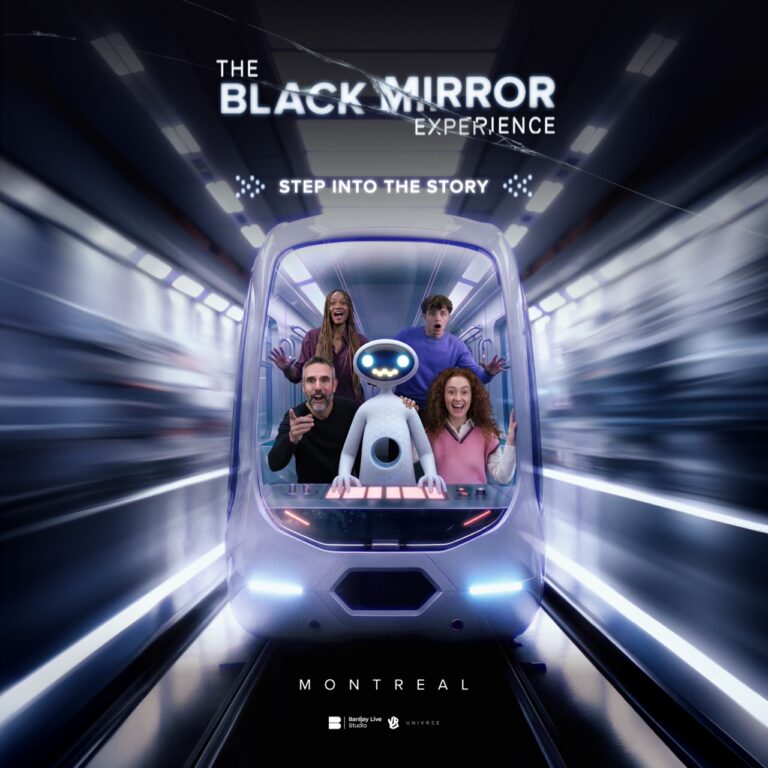
Bob Cooney’s Take – I’ve been waiting to talk about this for over a year. This is the first…
Read more...
extra! the newsletter for operators and immersive venue owners -

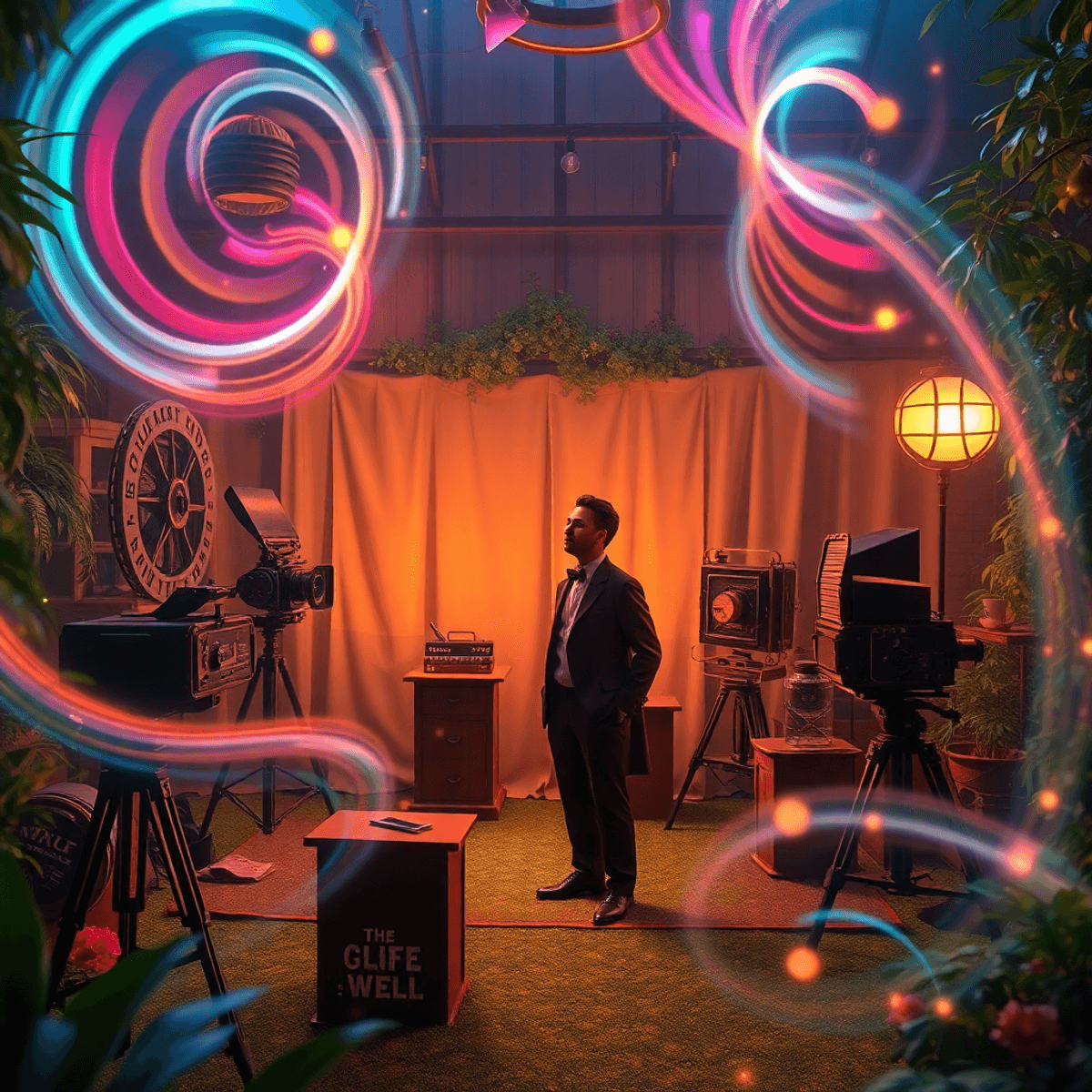
A new immersive virtual reality experience called Double Act is now open at the Hove Museum of Creativity. This innovative VR exhibit takes visitors back to the early days of British cinema, offering a unique window into the pioneering work that shaped film history.
Double Act uses cutting-edge VR technology to bring to life the world of early filmmaking. You will explore mesmerizing visuals and environments inspired by Edwardian-era cinema, created to evoke the excitement and wonder audiences once felt. The exhibit specially highlights the contributions of two key figures: George Albert Smith and Laura Eugenia Bayley.
These film pioneers played foundational roles in shaping British cinema but have not always received equal recognition. Double Act reframes film history by giving Laura Eugenia Bayley her due as both an actress with more screen roles than many contemporaries and a creative partner alongside Smith. This approach challenges traditional narratives and enriches your understanding of early cinema’s development.
Experience history through the eyes—and voices—of Smith and Bayley as you step inside this compelling fusion of heritage and technology at Hove Museum’s new VR exhibit dedicated to early British cinema.
Early filmmaking in Britain owes much to the pioneering work of George Albert Smith and Laura Eugenia Bayley. Their contributions laid critical foundations for what would become a flourishing film industry. Smith is often celebrated for his technical innovations, including early editing techniques and narrative storytelling methods that shaped cinematic language. However, Bayley’s role has historically been less visible despite her extensive involvement.
Bayley was not only Smith’s creative partner but also a prolific filmmaker and actress in her own right. She appeared in more screen roles than many of her contemporaries, showcasing versatility and depth at a time when female filmmakers were rarely acknowledged. Her contributions extended beyond acting; she influenced creative decisions and played an integral part in developing early film content.
Recognition of Bayley’s work is essential to film history reframing. Traditional narratives have often marginalized women’s roles, focusing instead on male pioneers. Highlighting Bayley challenges this imbalance by:
Equal recognition of female filmmakers like Bayley enriches our understanding of cinema’s origins. It invites us to reevaluate whose stories get told and remembered within the broader cultural landscape. This acknowledgment not only honors past achievements but also sets a precedent for valuing women’s creative leadership in the industry today.
The Double Act VR experience offers a unique opportunity to step inside the world of early cinema using cutting-edge virtual reality technology. This immersive VR exhibit transports you through pivotal moments in film history, starting with mesmerism performances and magic lantern shows—popular forms of visual entertainment before the advent of motion pictures. You witness these spectacles as audiences would have over a century ago, feeling the sense of wonder that captivated Edwardian viewers.
A highlight of the experience is the meticulous recreation of the UK’s second-ever film studio, originally located at St Ann’s Well Gardens in Hove. This studio serves as an authentic historical backdrop where visitors can explore early filmmaking techniques and see how George Albert Smith and Laura Eugenia Bayley brought their creative visions to life. The studio’s detailed reconstruction includes period-appropriate equipment and set designs, offering an intimate glimpse into the technical challenges and innovations of the time.
Voices of Smith and Bayley guide you throughout this journey, adding depth and personality to the narrative. Their first-person accounts enrich your understanding by sharing insights into their creative processes, personal ambitions, and collaborative spirit. Listening to these pioneers speak creates an engaging connection between past and present, making the story of early British cinema both vivid and accessible.
Key features within the Double Act VR experience include:
This blend of historical accuracy, artistic interpretation, and immersive technology allows you to experience early filmmaking not just as a spectator but as a participant in its unfolding story. The exhibit captures both the technical ingenuity and creative passion that shaped modern cinema’s foundations.
The Double Act VR exhibit at Hove Museum highlights several pioneering films that fundamentally shaped early British cinema. These milestones not only showcase creative breakthroughs of their time but also reveal the building blocks of modern filmmaking techniques.
One of the key films featured is The Kiss in the Tunnel. This work stands out for its innovative editing techniques, particularly the introduction of what we now recognize as early montage editing. The film cleverly cuts between scenes to simulate a train passing through a tunnel, with a brief romantic moment inside. This editing style was groundbreaking and influenced narrative storytelling by showing how film could manipulate time and space in ways theater could not.
Another significant highlight is Mary Jane’s Mishap, celebrated for its comedic performance and inventive use of special effects. This film combines slapstick humor with early cinematic tricks, such as stop-motion and substitution splicing, to create playful illusions that delighted audiences of the era. Its approach to visual comedy helped establish film as a medium capable of both entertainment and technical experimentation.
Both The Kiss in the Tunnel and Mary Jane’s Mishap demonstrate how early filmmakers like George Albert Smith pushed boundaries in editing, storytelling, and visual effects. Techniques introduced in these films laid foundational principles still employed in contemporary cinema — from pacing and narrative construction to practical effects.
Through immersive VR technology, visitors engage directly with these trailblazing works in an environment that contextualizes their significance. The Hove museum open VR exhibit teaches you about the early days of cinema by reanimating these historical moments, offering a tactile sense of how innovation unfolded on screen. This hands-on experience deepens understanding of cinema’s evolution from simple recordings to complex visual storytelling.
The inclusion of these cinematic milestones ensures that Double Act honors not just the people behind the camera but also the technical achievements that helped shape global film culture.
Double Act is an important part of the Days of Wonder project. This project aims to preserve and explore the film and media heritage of Brighton and Hove. Over the course of three years, it will investigate the local history, revealing stories and innovations that influenced early cinema and still impact today’s creative practices.
The project focuses on working together with cultural organizations and local communities. By doing so, it hopes to foster a deeper understanding of the region’s cinematic legacy.
Double Act acts as an immersive entry point into this heritage. It utilizes advanced virtual reality (VR) technology to make historical narratives come alive in an interactive manner.
The Days of Wonder project receives funding and support from several prominent cultural organizations:
These partnerships ensure not only financial support but also strategic guidance that enhances the impact of Double Act.
The integration of Double Act within Days of Wonder aligns the VR exhibit with broader activities such as archival research, educational programs, and public outreach events. This connection increases cultural value and accessibility while positioning Brighton and Hove as a center for appreciating film heritage.
The Days of Wonder project demonstrates how local histories can be revitalized using contemporary technologies while paying tribute to pioneering figures like George Albert Smith and Laura Eugenia Bayley.
Double Act embodies this approach by turning static museum exhibits into lively experiences that resonate with various audiences.
The Play Back Forward exhibition runs alongside the Double Act VR experience at Hove Museum, offering a rich, interactive exploration of early film pioneers’ ongoing influence. This exhibition creates a dynamic dialogue between past and present by combining archival footage with contemporary artistic interpretations.
Visitors encounter:
A notable feature is the active involvement of young people in shaping the exhibition content. Their creative contributions ensure that local film heritage remains vibrant and relevant, fostering a sense of ownership and connection across generations. This engagement supports sustaining narratives around Sussex’s cinematic history while encouraging fresh perspectives.
Play Back Forward serves as a complementary counterpart to Double Act, broadening the scope from immersive VR storytelling to physical interaction and community participation. Through this combination, visitors gain a multifaceted understanding of film heritage—both as historical record and living inspiration.
Visit brightonmuseums.org.uk for tickets and availability.
No VR experience needed; staff guide you every step of the way.
Visitors to Double Act at Hove Museum of Creativity can immerse themselves in this unique VR journey on specific dates in February: Monday the 16th, then Thursday the 19th through Sunday the 22nd. The exhibit is carefully scheduled to provide ample opportunity for cinema enthusiasts and curious minds alike to explore early film history through cutting-edge virtual reality technology.
Booking information for Double Act VR experience at Hove Museum of Creativity is straightforward. You can secure your place by visiting brightonmuseums.org.uk. The website offers an easy-to-navigate booking process, ensuring you reserve your spot without hassle.
Entering the VR world requires no previous VR experience. Whether you are a seasoned gamer or completely new to virtual reality, the experience is designed to be accessible and enjoyable for all. Brighton and Hove Museums staff support visitors throughout the entire journey. Staff members provide clear instructions and friendly guidance, helping you feel comfortable and confident while navigating the immersive environments.
The exhibit space at Hove Museum is arranged to maximize learning and enjoyment. Visitors step inside recreated early film studios and witness storytelling techniques from over a century ago, all while supported by expert assistance. This approach makes Double Act not just a museum exhibit but an educational adventure that brings the earliest days of cinema vividly to life.
This setup invites visitors of all ages and backgrounds into a seamless blend of heritage preservation and innovative technology. The Hove museum open VR exhibit to teach early days of cinema ensures that no one misses out on this pioneering cultural experience.
Exhibitions like Double Act breathe new life into the film and media heritage of Sussex. This VR experience goes beyond mere education; it actively honors Sussex’s vibrant history as a pioneer in cinematic arts. It shines a spotlight on the early filmmakers whose groundbreaking work shaped both local and national film culture.
Brighton and Hove Museums are at the forefront of this cultural revival. They curate captivating content that bridges the gap between past innovations and present-day audiences. By collaborating with Screen Archive South East, they expand access to invaluable archival materials, ensuring the preservation and sharing of rare film footage and related artifacts. This partnership strengthens community connections to the region’s creative legacy, making it more accessible and relevant.
Corridor and videoclub bring an innovative twist to these projects by merging historical research with cutting-edge technology like virtual reality. Their combined efforts open up new avenues for storytelling, inviting visitors to fully immerse themselves in Sussex’s cinematic history like never before.
This collaboration between historic preservation institutions and creative production companies forms a vibrant cultural ecosystem in Sussex. It ensures that the heritage of film and media is not stagnant but rather evolves through ongoing exploration, interpretation, and celebration. The combined expertise of Brighton and Hove Museums, Screen Archive South East, Corridor, and videoclub serves as a prime example of how collaborative efforts can create culturally significant experiences that extend beyond traditional museum settings.
Hove Museum’s VR exhibit, Double Act, invites you to learn about VR exhibits on early cinema history in a truly immersive way. This experience opens a window into the fascinating world of British film pioneers George Albert Smith and Laura Eugenia Bayley, allowing you to discover their lives and work with unprecedented intimacy.
Engaging with Double Act means stepping directly into the origins of filmmaking, witnessing key cinematic milestones such as The Kiss in the Tunnel and Mary Jane’s Mishap that shaped modern cinema techniques. The exhibit richly illustrates the significance of these early innovations through cutting-edge VR technology.
Exploring this exhibit also connects you to broader initiatives that celebrate and preserve Sussex film heritage. The partnership behind this project showcases how local history can be brought to life creatively and accessibly, reinforcing Hove as a vibrant cultural hub.
Plan your visit to Hove Museum’s open VR exhibit and immerse yourself in the early days of cinema, discovering stories that deserve greater recognition. This is your chance to engage with a unique blend of history, art, and technology right here in Sussex.
The ‘Double Act’ is an immersive virtual reality exhibit at Hove Museum of Creativity that guides visitors through the early days of British cinema, highlighting the pioneering work of filmmakers George Albert Smith and Laura Eugenia Bayley. It features a recreation of the UK’s second-ever film studio located at St Ann’s Well Gardens and uses VR technology to bring early filmmaking techniques and cinematic milestones to life.
George Albert Smith and Laura Eugenia Bayley were foundational figures in early British cinema. Smith was a pioneering filmmaker, while Bayley was not only an actress but also a filmmaker with more screen roles than many contemporaries. The ‘Double Act’ exhibit emphasizes Bayley’s often overlooked contributions, aiming to give equal recognition to female filmmakers and reframe film history with their important legacies.
The ‘Double Act’ VR experience showcases key early films such as ‘The Kiss in the Tunnel,’ known for pioneering innovative editing techniques, and ‘Mary Jane’s Mishap,’ notable for its comedic performance and special effects innovations. These milestones illustrate the foundations of modern filmmaking techniques and highlight the creativity of early cinema.
The ‘Double Act’ VR exhibit is part of the Days of Wonder initiative, which focuses on preserving and exploring the heritage of film and media in Brighton and Hove. Supported by funding from the National Lottery Heritage Fund, Arts Council England, and BFI/Film Hub South East, this project ensures a significant cultural impact by celebrating local film pioneers and cinematic history through innovative experiences.
Yes, alongside ‘Double Act,’ Hove Museum hosts the Play Back Forward exhibition. This interactive exhibition explores the influence of film pioneers like Smith and Bayley using archival footage and creative contributions from young people. It aims to sustain local film heritage narratives by engaging contemporary creativity inspired by these early filmmakers.
‘Double Act’ is available for visitors on specific dates (Monday 16 February; Thursday 19 to Sunday 22 February) at Hove Museum of Creativity. Booking can be made easily via brightonmuseums.org.uk. No previous virtual reality experience is required as Brighton and Hove Museums staff provide full support to guide visitors throughout the immersive journey, ensuring an enjoyable and educational visit.