Spring Festival, Reimagined: AR + AI in Chinese Museums
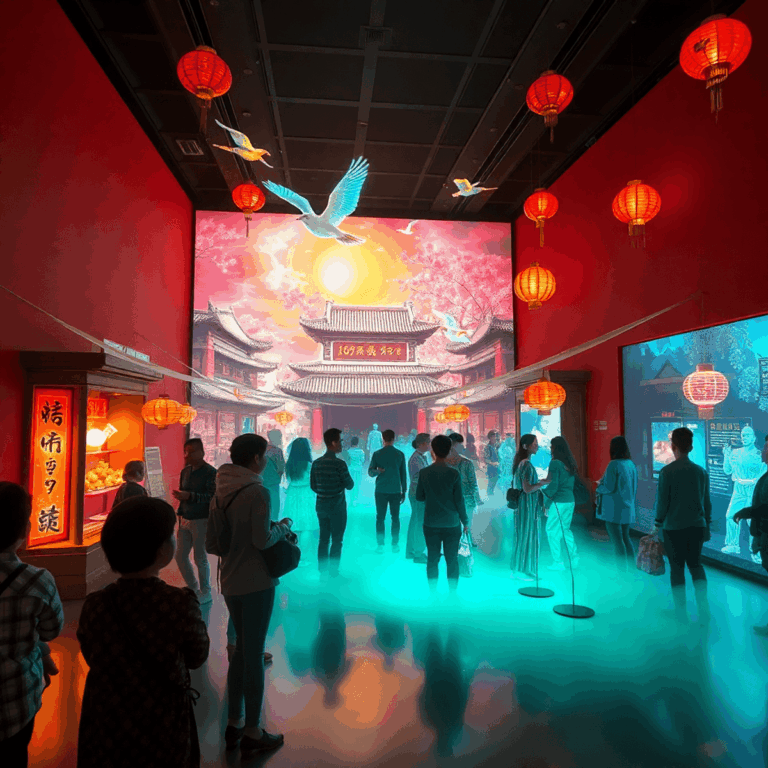
Chinese museums are using technology to create immersive Spring Festival experiences that redefine traditional cultural celebrations. The Spring Festival, which…
Read more...
extra! the newsletter for operators and immersive venue owners -

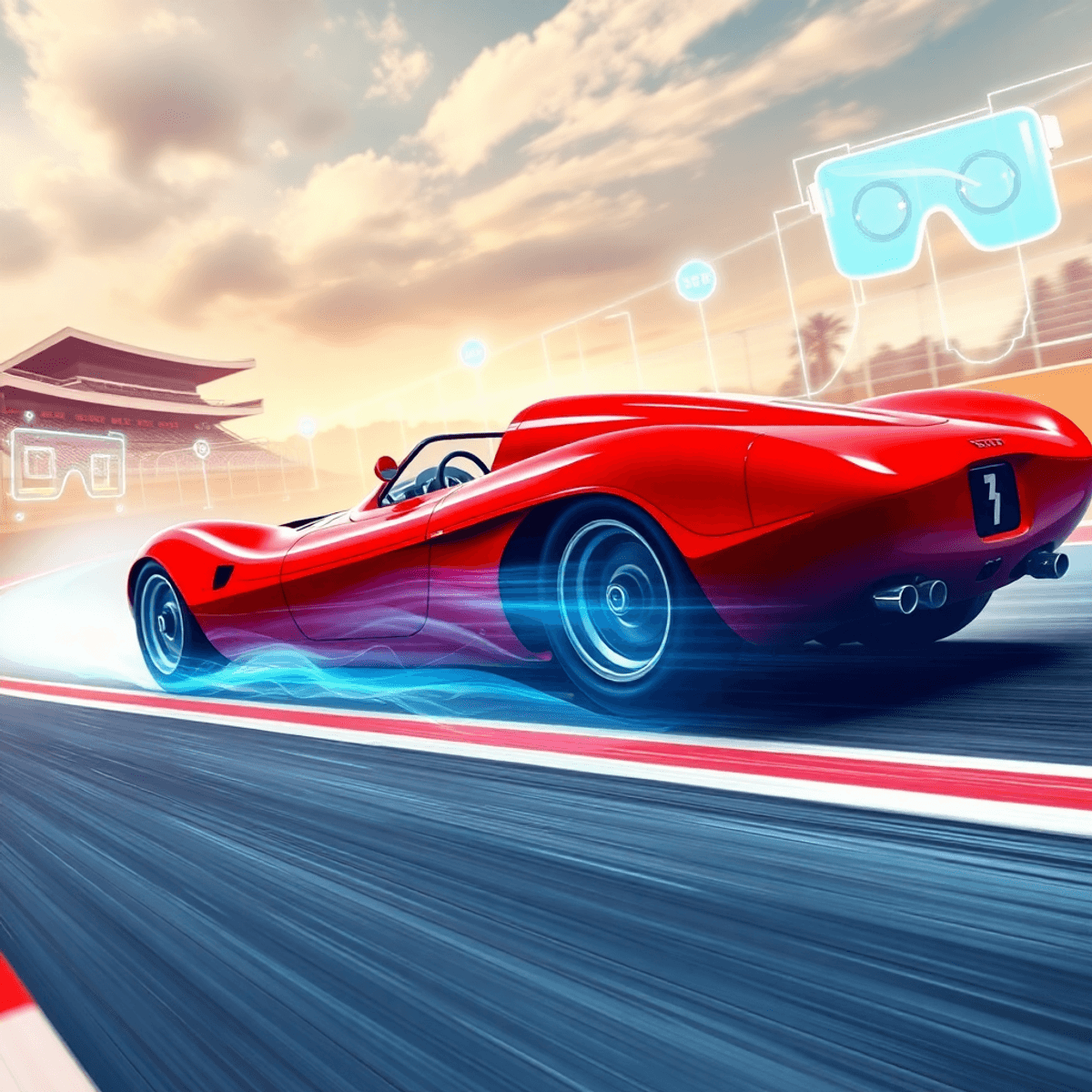
The Ferrari Museum in Maranello is a symbol of automotive history and innovation. Known globally for preserving Ferrari’s racing legacy, the museum constantly seeks new ways to create enjoyable and informative experiences. Its reputation is built not only on displaying legendary cars but also on using advanced technology to inspire visitors with the essence of Ferrari.
Recently, the museum launched an exciting multiplayer Mixed Reality (MR) and virtual Reality (VR) experience called Black Cats & Chequered Flags. This groundbreaking exhibition combines immersive technology with the exhilarating story of motorsport, giving visitors a one-of-a-kind chance to enter the realm of Formula One icon Alberto Ascari.
This innovative multiplayer Mixed Reality experience at the Ferrari Museum in Maranello represents a significant advancement in how museums bring history alive, establishing a new benchmark for interactive exhibitions globally.
The ‘Black Cats & Chequered Flags’ exhibition began its journey at the Museo dell’Automobile di Torino (MAUTO), where it quickly gained recognition for its innovative approach to motorsport history. Its unique blend of mixed reality (MR) and virtual reality (VR) storytelling earned it a place in the prestigious 82nd Venice Biennale, marking a significant achievement that positioned the exhibition on an international cultural stage.
The exhibition centers on Alberto Ascari, Italy’s only two-time Formula One World Champion driving for Ferrari. Ascari’s legacy is deeply woven into the fabric of Italian motorsport lore, not just for his unparalleled racing prowess but also for his personal rituals and superstitions. The title itself, Black Cats & Chequered Flags, hints at the superstitions that surrounded Ascari—particularly his belief in black cats as harbingers of luck or misfortune during races.
Visitors encounter a rich narrative celebrating Ascari’s life and legend, blending historical fact with immersive myth-making. The exhibition captures moments from his career, including the tension-filled circuits and team dynamics of 1950s racing, revealing how these elements shaped both his success and his enduring mystique. This homage reflects Ferrari’s commitment to preserving and innovating its heritage through cutting-edge technology and storytelling.
The creative and technological force behind Black Cats & Chequered Flags is MIAT – Multiverse Institute for Arts & Technology. MIAT specializes in blending artistic vision with immersive technology, crafting experiences that push the boundaries of traditional museum exhibitions. Their expertise ensures that the project is not just a showcase but an interactive journey that engages visitors on multiple sensory levels.
A key partnership with PICO XR brings cutting-edge hardware to the experience. PICO XR’s advanced VR and MR headsets deliver professional-grade performance, reliability, and high-resolution visuals essential for creating believable virtual environments. These headsets support VR 6DoF (six degrees of freedom), allowing users to move naturally within the space—walk, turn, crouch—without breaking immersion.
Key technological features include:
This combination of technologies transforms passive viewing into an active exploration where history and myth intertwine through technology-driven engagement.
The innovative multiplayer Mixed Reality (MR) and virtual Reality (VR) experience at the Ferrari Museum in Maranello masterfully blends immersive storytelling technology with historical narrative VR experience, delivering a dynamic edutainment VR content format. Visitors engage directly with Alberto Ascari’s world through a compelling mix of documentary-style history enriched by interactive elements.
Key components include:
This approach transforms passive observation into active participation, making history accessible and thrilling through technology-driven storytelling.
The exhibition invites you to engage directly with two standout interactive experiences that bring 1950s Formula One racing vividly to life.
Step into Alberto Ascari’s shoes and take control of the last Ferrari he drove on the legendary Monza circuit. This VR simulation captures the adrenaline-fueled essence of Formula One racing, delivering an immersive, room-scale experience where every turn and acceleration feels authentic. The detailed recreation of the track’s layout, combined with realistic car physics and engine sounds, immerses you in the high-speed thrill and precision demanded by one of motorsport’s most iconic venues.
Beyond racing, you get to experience the intensity and teamwork behind the scenes by participating in hands-on pit stop activities. These simulations recreate the fast-paced coordination required by Ferrari’s pit crew during Ascari’s era. You’ll perform realistic tasks such as tire changes and refueling, demanding both speed and accuracy. This interactive feature allows you to appreciate the crucial role pit crews played in racing success, stepping into a time capsule that honors the golden age of motorsport.
Both experiences emphasize physical interaction, historical authenticity, and multiplayer collaboration—key elements that deepen your connection to Ascari’s world beyond traditional exhibition formats.
The immersive soundscapes in mixed reality play a crucial role in anchoring visitors within the visceral world of 1950s Formula One racing.
Visual style draws heavily on vintage 1950s lithography, a graphic art form known for bold colors, sharp contrasts, and stylized imagery. This choice connects the exhibition’s aesthetic with Ferrari’s rich heritage while invoking nostalgia for motorsport’s golden age.
The graphics do more than decorate—they immerse you in an era where artistry met speed on every poster and program cover.
The original music composition channels iconic Spaghetti Western soundtracks, infusing the narrative with drama and mythic tension. Its haunting melodies underscore Ascari’s triumphs and tragedies alike, creating an emotional rhythm that resonates throughout the experience.
This score shapes the atmosphere as much as the visuals or sounds, reinforcing themes of heroism and fate embedded in racing lore.
The innovative multiplayer Mixed Reality (MR) and virtual Reality (VR) experience at the Ferrari Museum in Maranello transforms how visitors engage with motorsport history. Formula One fans engagement reaches new heights as enthusiasts immerse themselves directly in Alberto Ascari’s world, racing on Monza’s iconic track or performing authentic 1950s pit stops. This hands-on interaction bridges passion and technology, making the thrill of F1 palpable beyond traditional viewing.
Tech enthusiasts interaction thrives through cutting-edge VR room-scale interactivity and multiplayer features. Visitors collaborate and compete within shared virtual spaces, exploring complex gameplay mechanics that combine entertainment with social connection. The advanced hardware from PICO XR ensures smooth, professional-grade immersion that appeals to those fascinated by emerging tech.
Educational value is deeply embedded in the experience. Interactive gameplay is layered with historical context, providing insights into Ascari’s legacy, racing rituals, and motorsport culture of the 1950s. Students and families benefit from this engaging edutainment format that encourages learning through participation rather than passive observation.
This approach makes Black Cats & Chequered Flags a dynamic platform for connecting diverse audiences through shared curiosity and excitement about Ferrari’s heritage.
The Black Cats & Chequered Flags experience is set to become a landmark in international museum tours for MR/VR exhibitions. Even before its official launch at the Ferrari Museum in Maranello, plans are underway to expand this innovative multiplayer Mixed Reality (MR) and virtual Reality (VR) experience across prestigious cultural institutions worldwide. This global tour promises to bring cutting-edge immersive technology to diverse audiences, transforming how museums present history and art.
MIAT’s role extends beyond this single project. Their vision centers on advancing AI-driven creative immersive projects that integrate seamlessly into cultural institutions. This approach is poised to revolutionize museum engagement by:
By pushing the boundaries of what MR and VR can achieve in a museum setting, MIAT positions itself at the forefront of an emerging paradigm where technology amplifies educational impact and visitor participation. The success of the Ferrari Museum’s pioneering exhibition hints at a future where immersive digital storytelling becomes a standard feature of museums worldwide—offering visitors not just passive observation but active involvement in cultural heritage.