How Thrill of the Fight 2 Became a Live VR Esports Event
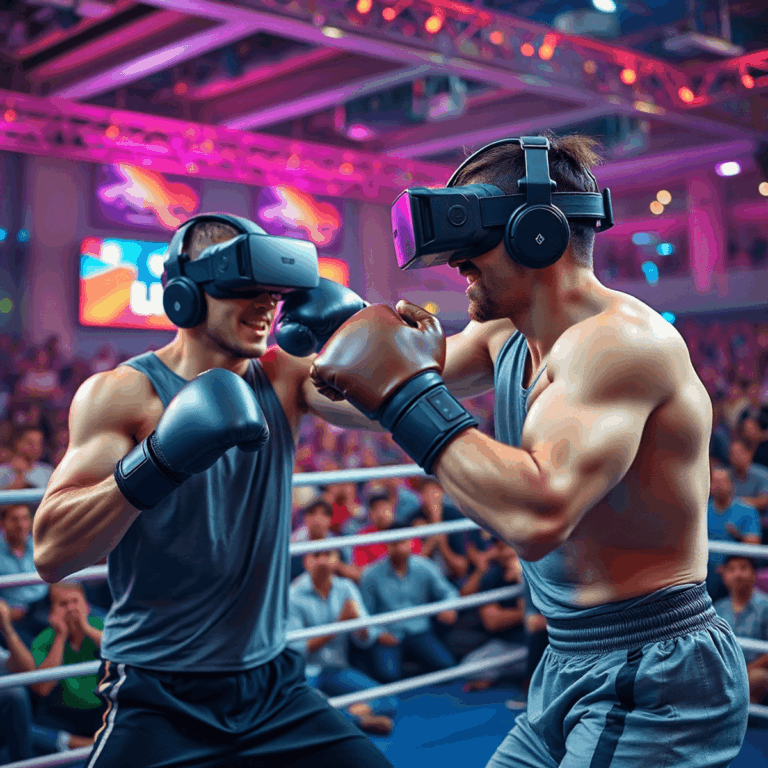
The Thrill of the Fight 2 has redefined what VR esports can be by transforming a virtual boxing game into…
Read more...
extra! the newsletter for operators and immersive venue owners -

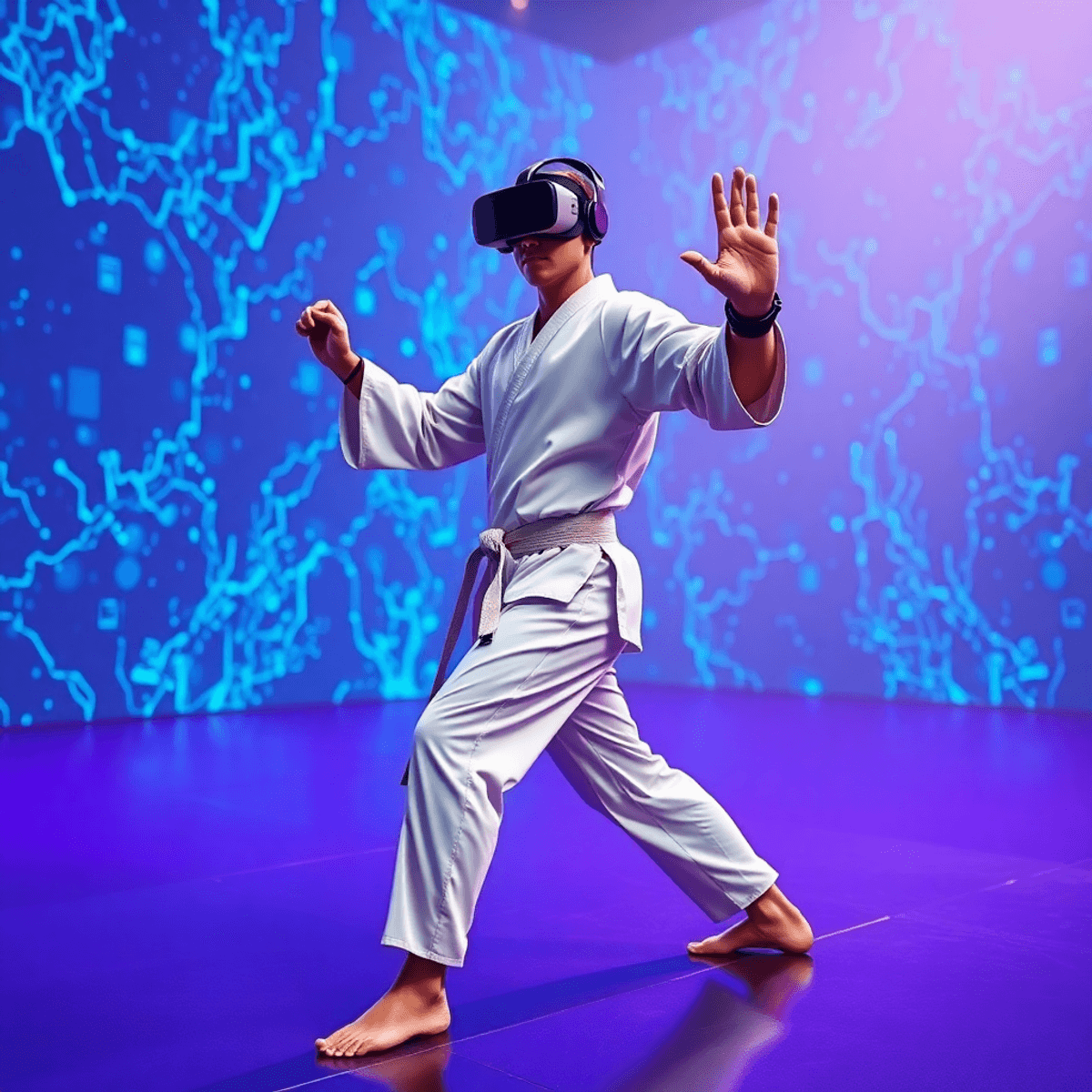
From traditional mats to virtual arenas: The rise of VR taekwondo in Malaysia marks a significant shift in how martial artists train and compete. Virtual reality taekwondo training combines physical movement with immersive digital environments, allowing athletes to spar safely without physical contact. This technology-driven approach is gaining traction among Malaysian martial artists who seek innovative methods to sharpen their skills.
Key features of VR taekwondo Malaysia include the use of headsets, motion trackers, and joysticks that capture precise movements and simulate real-time combat scenarios. Local clubs and athletes are pioneering this new frontier, blending tradition with cutting-edge tech to enhance training effectiveness.
This article explores:
Discover how virtual reality is transforming taekwondo practice across Malaysia.
VR taekwondo in Malaysia owes much of its early momentum to athletes like Gan Jing Yuan and Asadullah Mohamed Azvi. These pioneers have embraced virtual sparring, demonstrating how technology can redefine traditional martial arts training. Their participation in virtual matches has set a benchmark for other practitioners, creating a ripple effect across the Malaysian taekwondo community.
Local clubs play a crucial role in this transformation. The Scorpion Taekwondo Academy Malaysia based in Kuala Lumpur is among the first to integrate VR technology into its training regimen. This academy uses VR not only for skill development but also as an engagement tool to attract younger athletes who resonate with digital platforms. In the northern state of Kedah, the Changlun Star Taekwondo Club has been applying VR training methods for over a year, highlighting how adoption is not limited to urban centers.
Geographical spread shows VR taekwondo reaching beyond Kuala Lumpur to more rural areas such as the Kubang Pasu district in Kedah. This expansion reflects growing interest and accessibility, with clubs offering innovative ways to train safely and effectively amid constraints like space or contact restrictions.
This growing network of athletes and clubs is reshaping how taekwondo practice is approached across Malaysia.
VR taekwondo training involves a complex setup designed to capture the athlete’s every move and translate it into the virtual world. The main equipment used includes:
This combination of hardware tracks kicks, punches, blocks, and footwork with remarkable accuracy, feeding data into the system in real time.
At the heart of this experience is the VTKD software, developed by Refract Technologies and officially endorsed by World Taekwondo. VTKD serves as the engine driving virtual matches by:
The software supports immersive features like round pauses, restarts, and instant replays, enhancing both training feedback and competitive fairness.
Competition formats using this technology have rapidly evolved. The World Taekwondo Virtual Championships exemplify how VR platforms open new avenues for competition beyond physical limitations. Malaysian athletes like Gan Jing Yuan have represented the country in these events, showcasing skill sets honed through VR training.
Matches do not require traditional weight or gender divisions since contact is virtual, shifting focus purely on technique precision and strategy. Spectators can watch live streams projected on large screens to enjoy every moment of virtual combat.
This integration of VR headset and motion sensors in taekwondo marks a significant technological advancement for martial artists seeking innovative training methods combined with international competition opportunities.
The benefits of VR taekwondo are reshaping how martial artists train and compete. One of the most significant advantages lies in its non-contact sparring format, which dramatically reduces the risk of injuries common in physical matches. This safety aspect allows athletes to focus on technique without the fear of impact-related harm.
Beginners gain a safe environment to practice their kicks and blocks with confidence. The use of motion tracking technology provides real-time feedback, helping users correct their form instantly. This immediate input accelerates skill development more efficiently than traditional methods where corrections often come after training sessions.
Engagement levels rise through gamified drills that simulate realistic sparring scenarios. These VR programs track accuracy and speed, turning practice into an interactive experience rather than repetitive physical drills. Such immersive training motivates athletes to improve consistently while maintaining high levels of focus.
From traditional mats to virtual arenas, the rise of VR taekwondo in Malaysia is opening doors for new training methodologies that complement physical practice. This innovative approach fosters precision, safety, and enthusiasm among practitioners across all skill levels.
Operating a VR taekwondo setup requires more than just knowledge of martial arts. The complexity of the equipment necessitates technical certification for VR taekwondo technicians to ensure everything runs smoothly during training and competitions.
Certification programs focus on teaching technicians how to handle these tasks efficiently. They also cover best practices for maintaining equipment longevity and ensuring user safety. Without trained operators, players risk facing interruptions caused by technical glitches, which can affect training quality and competition fairness.
Having dedicated, certified technicians enhances the professionalism of VR taekwondo facilities. It allows athletes to concentrate entirely on their performance while depending on seamless technology support behind the scenes.
The impact of VR on traditional taekwondo practice lies primarily in how it complements rather than replaces physical training. Virtual reality introduces an innovative layer to skill development, providing a controlled environment where athletes can refine techniques without the wear and tear of constant physical contact. This approach allows practitioners to focus on precision, timing, and movement patterns with immediate feedback from motion tracking systems.
Virtual reality reshapes competition formats by focusing on accuracy and technique rather than brute force or endurance. As a result, it encourages a broader range of participants to experience competitive taekwondo in ways not possible through conventional methods alone.
The rise of VR taekwondo presents a fresh avenue for entrepreneurs interested in blending technology with martial arts. Setting up a commercial space dedicated solely to offering immersive experiences through virtual reality-based sports training programs requires careful cost analysis.
Key considerations include:
The shift from traditional mats to virtual arenas reshapes how martial arts businesses approach customer engagement. Immersive VR environments enable new revenue streams without the spatial constraints of physical sparring areas. Businesses can offer gamified challenges, virtual sparring tournaments, and personalized feedback sessions — all appealing features for younger generations drawn to interactive sports technology.
Malaysian athletes have begun making their mark internationally in VR taekwondo competitions, showcasing skill and adaptability in this emerging sport. One standout performance was by a Malaysian athlete who secured fourth place at the World Taekwondo Virtual Championships held in Singapore. This achievement is significant given the fierce competition from top practitioners worldwide.
These accomplishments reflect both individual dedication and the effectiveness of local training programs incorporating VR technology. The experience gained at international levels prepares Malaysian athletes for future competitions, including upcoming events planned by Taekwondo Malaysia. Their progress signals growing potential for Malaysia to emerge as a competitive force in VR-based martial arts on the world stage.
The future prospects for further development within this emerging field’s ecosystem here are promising. Key institutions such as the Youth and Sports Ministry of Malaysia, the National Sports Council, and companies like Refract Technologies play crucial roles in supporting this innovation’s growth pathway going forward.
Such developments ensure that Malaysian martial artists remain competitive internationally while fostering a culture that adapts to technological advancements in sports training.