New Mall Arcade in Huntsville: Bigger VR, More Games
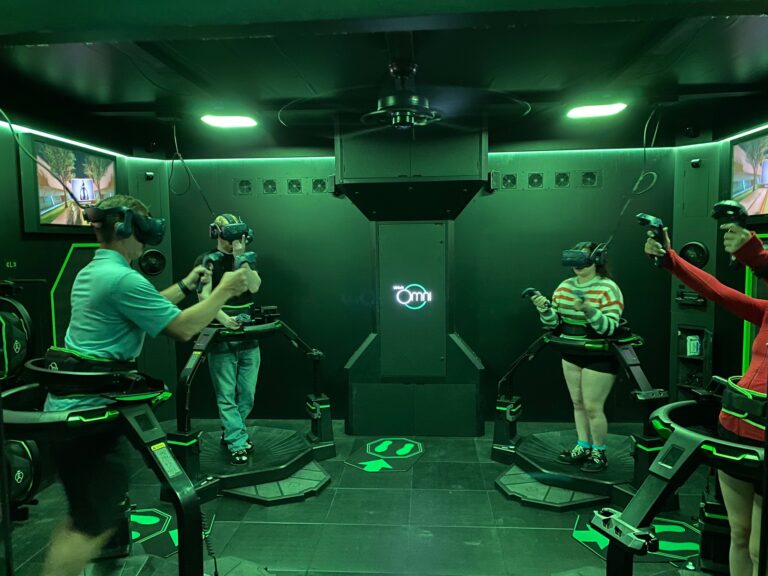
DiVRgence, a virtual reality entertainment center, is moving to Parkway Place Mall in Huntsville. This relocation is a significant upgrade,…
Read more...
extra! the newsletter for operators and immersive venue owners -

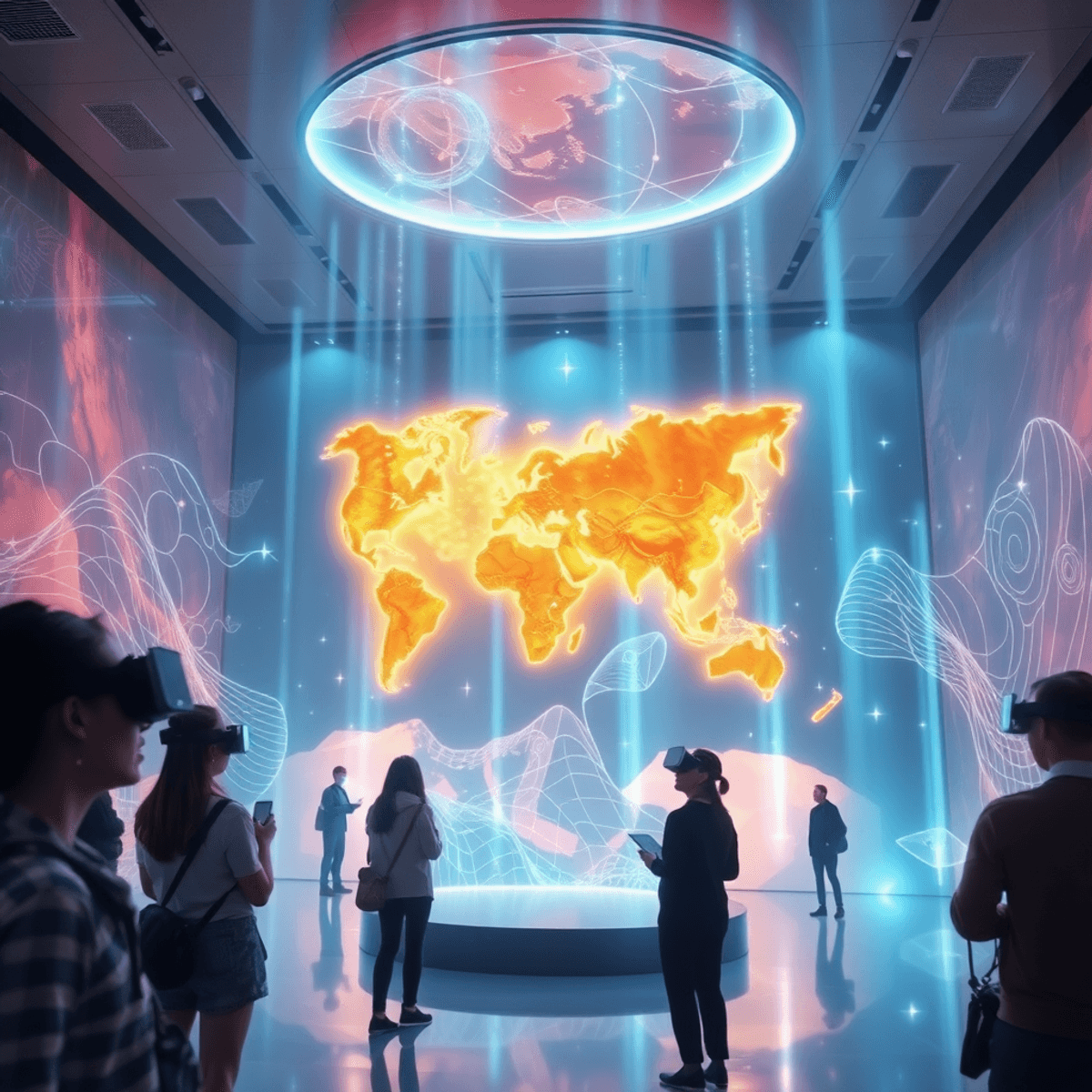
The Nanjing Museum recently launched an immersive virtual reality (VR) exhibition titled Mapping the World: The Kunyu Wanguo Quantu of Ming China. This innovative exhibition reimagines one of the most treasured cultural relics from the Ming Dynasty—the Kunyu Wanguo Quantu, or “Complete Geographical Map of all the Kingdoms of the World.” Created over 400 years ago, this map stands as the earliest known Chinese world map rendered in vibrant color, symbolizing a remarkable fusion of Eastern and Western cartographic knowledge.
Key highlights of this exhibition include:
The Nanjing Museum’s Mapping the World exhibition exemplifies how technology can revolutionize the way we preserve and experience history. It moves beyond mere display to create an immersive platform where visitors can explore, learn, and connect deeply with China’s rich cultural legacy.
The Kunyu Wanguo Quantu is a significant achievement in the history of maps. Created over 400 years ago, this world map was made possible through a collaboration between Ming Dynasty scholar Li Zhizao and Italian missionary Matteo Ricci. Their combined knowledge brought together Chinese scholarly traditions and European geographic understanding, resulting in a map that broadened the perspective of Ming China.
The Nanjing Museum’s VR exhibition preserves these qualities by prioritizing historical accuracy in VR exhibitions. Extensive research underpins the digital reconstruction, ensuring every element—from the map’s colors to its inscriptions—faithfully replicates the original artifact. Evidence-based design guides the virtual environment, reinforcing authenticity while inviting immersive exploration.
This approach transforms a static historical object into a vivid experience without sacrificing scholarly rigor. The meticulous attention to detail allows visitors to appreciate not only the map’s visual beauty but also its profound historical significance within a technologically advanced framework.
The immersive VR exhibition at Nanjing Museum redefines how you interact with history. Wearing VR headsets, you are no longer a passive observer but an active participant, stepping into a meticulously recreated world from over 400 years ago. The experience transports you aboard a virtual reconstruction of Zheng He’s legendary ship, offering a rare glimpse into Ming Dynasty maritime exploration.
Visitors can navigate the ship’s decks, explore its architectural details, and engage with elements designed to reflect historical accuracy. One standout feature is the inclusion of guides speaking in the Minnan accent, chosen deliberately based on records showing many sailors and navigators on Zheng He’s voyages hailed from Southern Fujian. This attention to linguistic authenticity deepens your sense of immersion and connection to the era.
This use of virtual reality in museums transforms traditional learning by enabling hands-on exploration and sensory engagement. Rather than simply viewing displays behind glass, you interact directly with digital reconstructions, stimulating curiosity and enhancing retention. The technology encourages repeated visits as each session reveals new layers of historical context and detail.
Museum visitor interaction technology, such as this VR headset experience, pushes boundaries by blending education with entertainment. It invites visitors to step inside history rather than just study it, marking a significant shift in how cultural heritage is shared and appreciated today.
The digital cultural heritage movement is reshaping museum exhibitions across China, moving beyond traditional static displays. Technologies such as virtual reality (VR) and augmented reality (AR) enable museums to present cultural relics with new dimensions of interaction and immersion.
Key examples illustrate this transformation:
The Nanjing Museum recently launched its immersive virtual reality (VR) exhibition, Mapping the World: The Kunyu Wanguo Quantu of Ming China, exemplifying how these technologies bring cultural relics digital transformation to life. This approach shifts the museum experience from a relic-centered mindset—where artifacts are merely observed—to a product-centered development model that balances preservation with innovative presentation.
This digital revolution encourages museums to rethink their role, focusing on creative product design and experiential engagement while maintaining respect for historical accuracy. Such efforts demonstrate how technology can revitalize cultural heritage, attracting diverse audiences and enriching public understanding of China’s past.
Co-creative museum engagement represents a significant shift from traditional passive observation to active participation. Visitors no longer just view exhibits; they become contributors to the cultural storytelling process. This transformation enriches interactive museum experiences by inviting audiences to shape narratives and offer personal interpretations, making each visit unique and meaningful.
Museums adopting co-creative approaches move beyond static presentations. They become dynamic spaces where history is not only preserved but also actively lived and reinterpreted by diverse communities. This innovation empowers visitors to become part of a collective cultural journey rather than mere spectators, redefining how heritage is experienced today.
Cultural innovation and technology must strike a careful balance between entertainment and education. Museums face the challenge of maintaining scholarly rigor while making exhibitions accessible and engaging for diverse audiences. The Nanjing Museum excels by integrating immersive VR technology with meticulously researched, historically accurate content. This approach ensures visitors are not only captivated but also gain authentic knowledge about Ming China’s world map heritage.
Step into the Mapping the World: The Kunyu Wanguo Quantu of Ming China exhibition and witness how cultural heritage tourism is evolving. The Nanjing Museum recently launched immersive virtual reality (VR) exhibition offers a unique chance to explore China’s historical legacy through technology that transforms static relics into interactive experiences. You become an active participant, navigating Zheng He’s ship and engaging with meticulously recreated details from Ming China.
Visit the Nanjing Museum recently launched immersive virtual reality (VR) exhibition and make history come alive.