New Mall Arcade in Huntsville: Bigger VR, More Games
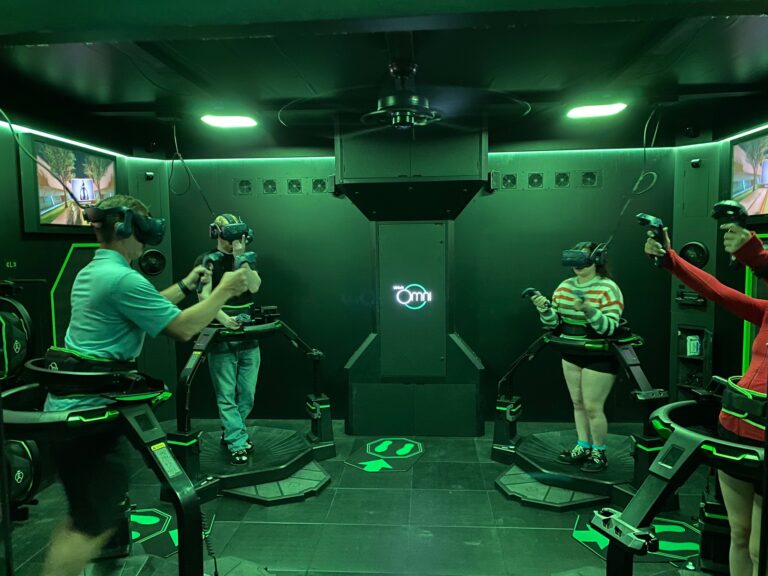
DiVRgence, a virtual reality entertainment center, is moving to Parkway Place Mall in Huntsville. This relocation is a significant upgrade,…
Read more...
extra! the newsletter for operators and immersive venue owners -

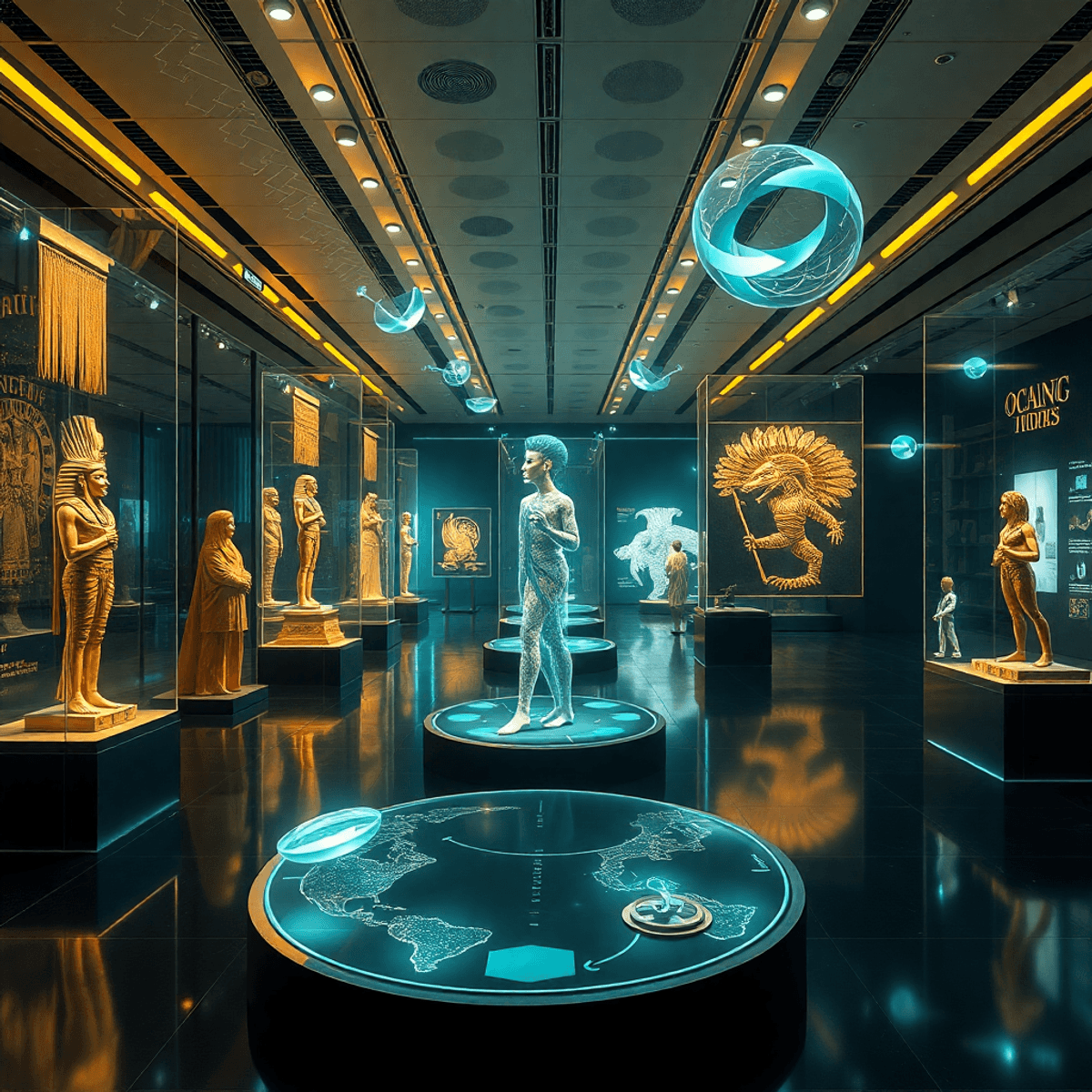
The Metropolitan Museum of Art has launched groundbreaking immersive virtual reality and online features that bring iconic works from its collection to life in a whole new way. These innovative VR experiences at The Met mark a significant step forward in how museums engage global audiences beyond physical walls. By combining cutting-edge technology with expert curation, The Met creates immersive art experiences that invite you to explore masterpieces through interactive storytelling and detailed 3D environments.
This digital transformation enhances accessibility for art lovers worldwide, allowing you to experience the depth and context of renowned artworks from anywhere.
Key points covered in this article:
Discover how these advances redefine museum visits in the digital age.
The Metropolitan Museum of Art has introduced two innovative virtual reality experiences: Dendur Decoded and Oceania: A New Horizon of Space and Time. Both projects invite users to explore The Met’s treasured collections through immersive digital environments.
Dendur Decoded centers on the Temple of Dendur, an ancient Egyptian monument housed within The Met. It provides a richly detailed virtual exploration, allowing users to engage with the temple’s architecture, artwork, and historical context. With over 150 pieces of content across four distinct “acts,” blending curatorial insight and UNESCO materials to ensure authenticity, Dendur Decoded illuminates the cultural and artistic significance of Egyptian antiquities in The Met’s collection.
Oceania: A New Horizon of Space and Time showcases Oceanic art from the Michael C. Rockefeller Wing, focusing on diverse Pacific Island cultures. It features interactive elements such as bisj poles, ceremonial house ceilings, and artifacts like the Atingting kon from Vanuatu. The experience incorporates immersive soundscapes and spatial design inspired by Oceanic traditions, highlighting The Met’s commitment to preserving and presenting cultural heritage through cutting-edge technology.
These VR experiences elevate the museum’s broader holdings by transforming static displays into dynamic, engaging narratives. They extend access beyond physical walls, offering new ways to experience iconic artworks that define The Met’s identity.
The Met’s groundbreaking VR experiences are the result of a strategic partnership with Atopia, a platform specializing in immersive exhibitions. Atopia’s no-code editor for museums empowers curators and educators to design interactive digital environments without needing advanced programming skills. This approach accelerates creative workflows and enables more fluid storytelling through virtual spaces.
Leadership on the project comes from Brett Renfer, Senior Project Manager of the Emerging Technology and Digital department at The Met. Renfer heads a cross-disciplinary team combining expertise in art history, digital technology, sound design, and user experience. Their collaborative efforts ensure the VR content remains both scholarly rigorous and engaging for diverse audiences.
Advanced technologies drive the core features of these VR experiences:
Utilizing these technological tools within the Atopia platform allows The Met to present complex collections like the Temple of Dendur and Oceanic art in ways that traditional displays cannot match. This integration enhances accessibility while maintaining curatorial integrity.
The Met’s Dendur Decoded VR experience offers an in-depth exploration of the Temple of Dendur, a masterpiece relocated from the West bank of the Nile River, near Lake Nasser. This virtual journey is meticulously structured into four distinct “acts,” featuring over 150 content pieces that combine visual storytelling with scholarly insight.
Users navigate through spaces that reveal not only the artistry but also the temple’s place within ancient Egyptian culture and its modern conservation story. The VR platform expands access to this iconic work beyond physical boundaries, inviting global audiences to engage deeply with one of The Met’s most treasured collections.
This immersive feature exemplifies how The Metropolitan Museum of Art Launches New Immersive Virtual Reality and Online Feature with Iconic Works from Its Collection by blending authentic scholarship with cutting-edge digital technology.
The Oceanic art collection virtual tour brings to life the rich cultural heritage housed within the Michael C. Rockefeller Wing, recently reopened to showcase masterpieces from the Pacific Islands. This VR experience immerses you in the vibrant world of Oceanic art through carefully crafted soundscapes and spatial designs that echo the traditions and environments of Pacific cultures.
The exhibition also honors the Kwoma people’s artistic expressions by embedding their unique visual language into the virtual environment. This approach fosters a deeper connection between viewers and the living traditions behind each artifact.
Digital engagement here serves as a powerful tool for cultural heritage preservation, enabling global audiences to experience Oceanic art beyond geographic limitations while supporting ongoing efforts to respect and celebrate these communities’ legacies.
The Met’s VR experiences are designed for broad accessibility, allowing you to engage with iconic artworks through multiple platforms tailored to your preferences and technology availability.
The VR features are fully compatible with the Meta Quest 2, 3, and 3s headsets. These devices provide high-quality Meta Quest 2/3/3s audio and immersive visuals that bring the museum exhibits directly into your space. Using personal VR headsets enhances the sense of presence, making museum tours feel intimate and interactive.
If you don’t own a VR headset, The Met offers free access to these digital experiences via their website. This web-based platform supports desktop and laptop users, ensuring that web-based museum experiences free access is maintained for a wide audience without specialized equipment.
Individual visits allow you to explore the exhibits at your own pace.
Invite-only multiplayer sessions create shared virtual spaces where friends or groups can experience the art together, whether through laptops or headsets.
Homebound audiences gain significant advantages from these digital offerings. Special Collection Tours provide curated paths through both Dendur Decoded and Oceania: A New Horizon of Space and Time, making digital access to museum collections easier than ever before regardless of physical location.
This multi-platform approach ensures that whether you have advanced VR gear or just a computer, The Met’s groundbreaking virtual reality experiences are within reach.
The Metropolitan Museum of Art has launched a new immersive virtual reality (VR) feature that brings this technology directly to onsite visitors through live events. The Met Expert Talks series offers visitors a unique chance to experience VR headset demos, providing hands-on access to the groundbreaking VR exhibitions. These interactive sessions allow participants to explore the Temple of Dendur and Oceanic art collections in ways that deepen engagement beyond traditional gallery viewing.
Youth engagement takes center stage during the Teens Take The Met event on May 15, 2026. This program features VR pop-ups across the museum where teens can interact directly with immersive exhibits. These pop-ups create a space for young audiences to connect with art and culture through technology, fostering curiosity and creativity in a medium that resonates with their digital fluency.
Teen Friday Career Labs offer another layer of involvement by connecting teens with the creative team behind the VR projects. These labs provide insight into the collaborative process between curators, technologists, and designers driving this innovation. Participants gain firsthand experience in virtual exhibition development, encouraging future careers in museum technology and digital storytelling.
These onsite activations showcase how VR can transform museum visits into immersive learning opportunities, supporting broader educational goals while making iconic artworks more accessible and engaging for diverse audiences.
The Met’s VR experiences are a powerful example of curatorial scholarship in VR experiences. They bring expert knowledge directly into immersive digital formats, allowing you to engage with complex historical and cultural narratives in ways that traditional displays often cannot match. The integration of scholarly research ensures that each virtual exhibit is not just visually impressive but also rich with accurate, contextual information.
Educational content on Egyptian art virtual reality comes alive in Dendur Decoded. This experience offers detailed virtual tours of the Temple of Dendur, enriched by insights from UNESCO materials and contributions from The Met’s curators. You gain a layered understanding of Egyptian antiquities—exploring architectural features, artistic symbolism, and historical significance through interactive storytelling.
Similarly, Oceania: A New Horizon of Space and Time provides unprecedented Oceanic art educational access online. The VR environment recreates Pacific Island cultural contexts with soundscapes and spatial designs inspired by the region’s traditions. Interactive elements invite deeper engagement with objects such as bisj poles and ceremonial house ceilings, fostering appreciation for the cultural heritage behind these masterpieces.
These multimedia presentations support not only public learning but also academic research by making curated content widely accessible. Museums, educators, and scholars benefit from this enriched format, which bridges museum expertise with digital innovation to expand how art history and cultural studies are experienced and taught.
The Met continues to lead the way in museum digital engagement tools future plans with a clear focus on expanding its immersive VR offerings. The collaboration with Atopia is set to evolve, promising anticipated expansions or updates to immersive exhibitions that will deepen interaction and accessibility. These updates aim to introduce new narratives and artworks, enhancing the storytelling potential of virtual environments.
Key upcoming initiatives include:
The Met encourages visitors and followers to stay informed about its digital journey by monitoring future communications. There will be numerous announcements relating to new programs that focus on cultural heritage preservation digitally, leveraging technology not only for display but for deeper research collaborations and public engagement.
The museum’s strategy reflects a commitment to innovation in art presentation, ensuring that The Met remains at the forefront of digital transformation within the cultural sector.
The Metropolitan Museum of Art has launched a new immersive virtual reality and online feature showcasing iconic works from its collection. This initiative sets a new standard for immersive art viewing innovations in the museum sector.
These VR experiences overcome physical and geographical limitations, providing global access to cultural heritage through VR. The Met demonstrates how it seamlessly combines advanced technology with traditional museum curation, offering an enhanced and interactive way to appreciate art.
This initiative showcases how museums can adapt to the digital age while staying true to their mission of educating and inspiring. The Met’s approach serves as a model for others looking to innovate without sacrificing authenticity or scholarly integrity.