Spring Festival, Reimagined: AR + AI in Chinese Museums
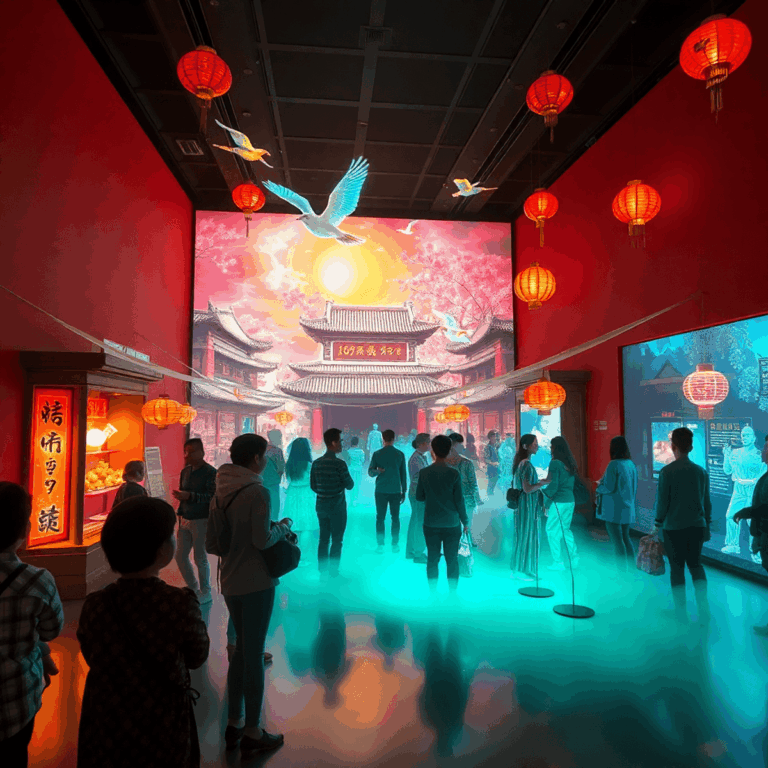
Chinese museums are using technology to create immersive Spring Festival experiences that redefine traditional cultural celebrations. The Spring Festival, which…
Read more...
extra! the newsletter for operators and immersive venue owners -

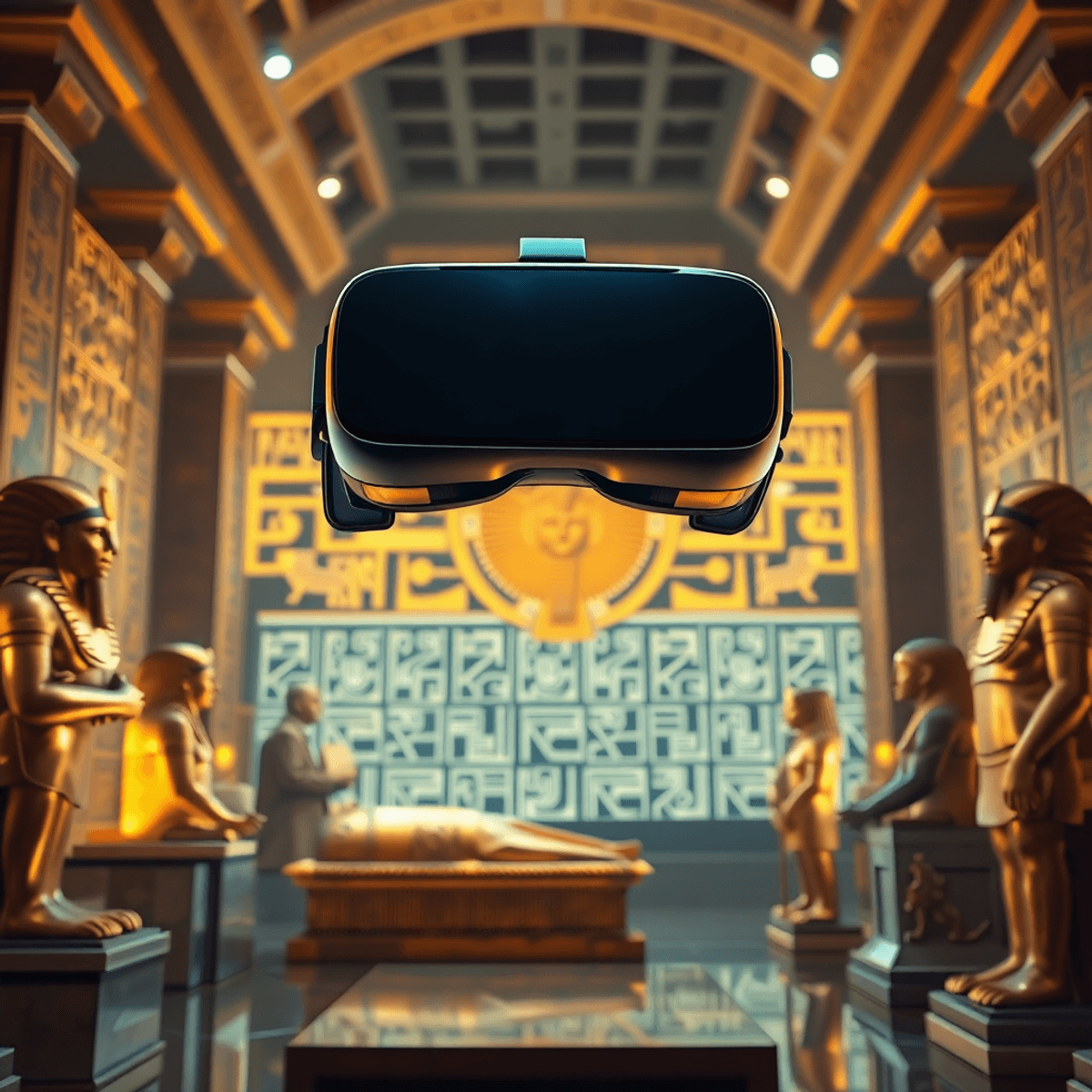
Appalachian State University and the Metropolitan Museum of Art have joined forces to transform how visitors experience one of the museum’s most celebrated attractions: the Egyptian exhibit. This collaboration focuses on leveraging cutting-edge technology to deepen engagement with ancient artifacts.
An App State professor develops virtual reality and web features that bring new dimensions to the Met’s popular Egyptian exhibit. These innovations create an immersive experience, allowing you to explore the rich history of ancient Egypt in ways not possible before.
Key points include:
This initiative represents a significant step in blending traditional museum curation with modern technology, offering an enriching journey through time for all visitors.
The Metropolitan Museum of Art houses one of the most comprehensive collections of Egyptian artifacts in the world. This exhibit plays a crucial role in preserving and showcasing the cultural heritage of ancient Egypt, offering visitors a window into one of history’s most fascinating civilizations. Established over a century ago, the collection reflects meticulous efforts to conserve artifacts that span millennia—from the Old Kingdom to the Ptolemaic period.
The exhibit features a diverse array of objects that reveal different aspects of Egyptian life, belief systems, and artistry:
Each artifact contributes to a layered understanding of ancient Egyptian society—its spirituality, governance, daily life, and artistic achievements.
The Egyptian exhibit attracts millions annually due to its rich cultural narrative. Visitors find it both educational and inspiring. The collection serves as an invaluable resource for students, scholars, and general audiences interested in archaeology, anthropology, and history. It encourages curiosity through detailed displays combined with explanatory texts that decode complex symbols and rituals.
Interactive elements within the exhibit often prompt deeper reflection on how these ancient objects connect with broader human experiences such as mortality, identity, and legacy. The Met’s commitment to accessibility ensures this cultural treasure remains relevant to contemporary audiences while honoring its historical roots.
The collaboration between Appalachian State University and the Metropolitan Museum of Art centers around an App State professor who brings specialized expertise in virtual reality (VR) development and digital innovation to the project. This professor has a strong background working with museums, combining technological skills with a deep understanding of how to present cultural heritage in immersive formats.
The main objectives behind integrating VR and web-based tools into the Met’s Egyptian exhibit focus on two critical goals:
This initiative exemplifies interdisciplinary collaboration, where academic research intersects with practical applications inside cultural institutions. The benefits are multifold:
By developing both VR and sophisticated web features for the Met’s popular Egyptian exhibit, this App State professor is pushing the boundaries of how ancient history can be explored through modern technology.
The immersive experience crafted for the Met’s Egyptian exhibit relies heavily on cutting-edge virtual reality technology. Visitors don head-mounted displays (HMDs) that transport them beyond traditional museum walls into meticulously recreated ancient spaces. These HMDs provide 360-degree views of tombs, temples, and burial chambers, allowing exploration of environments that would otherwise be inaccessible.
Projection mapping techniques complement headsets by overlaying digital images onto physical objects or surfaces within the exhibit space. This method enriches interaction with virtual representations of pharaohs’ treasures—jewelry, statues, and ceremonial items—giving visitors a sense of scale and context that static displays cannot offer.
Central to this transformation is the use of meticulous 3D modeling. Every artifact featured in the VR environment has been scanned and reproduced based on real-world measurements taken directly from the Met’s collection. This precision ensures not just accurate size and proportions but also detailed textures and colors that reflect each object’s unique characteristics.
Key advantages include:
The App State professor develops virtual reality applications that integrate these technologies seamlessly, combining academic rigor with user-friendly design. Their work emphasizes creating an experience where educational content merges naturally with engaging visuals and interactivity.
Visitors gain opportunities to:
This approach elevates the understanding of ancient Egyptian culture by providing a dynamic alternative to viewing objects behind glass. Virtual reality technology transforms passive observation into active participation, deepening appreciation for one of history’s richest civilizations.
The collaboration between Appalachian State University and the Metropolitan Museum of Art extends beyond immersive VR by incorporating web features that broaden access and deepen engagement. These digital tools serve both visitors on-site and those exploring remotely, making the Egyptian exhibit accessible anytime, anywhere.
The web features are designed not just for viewing but for learning. They include:
Providing this suite of educational resources fosters a comprehensive understanding of ancient Egypt’s rich history. It transforms passive observation into an engaging learning experience that complements what visitors encounter through VR or in-person.
Web features ensure that access is not limited by geography or physical constraints. Students, educators, researchers, and history enthusiasts worldwide can explore curated content without needing to travel to New York City. This democratization of cultural heritage supports wider dissemination of knowledge while maintaining high standards of authenticity and scholarly accuracy.
You benefit from a seamless integration between virtual reality immersion and web-based interactivity. Together they create a layered experience where digital tools amplify appreciation for the Met’s Egyptian treasures beyond traditional museum walls.
Visitor engagement reaches new heights with the integration of VR enhancements in the Met’s Egyptian exhibit. In-person visitors encounter a deeper sense of immersion as they navigate virtual recreations of ancient spaces that are otherwise inaccessible. For example, exploring detailed 3D models of large-scale artifacts like sarcophagi allows visitors to appreciate intricacies that can be difficult to capture through traditional displays.
Remote access through web platforms significantly broadens the reach of the exhibit. Individuals around the globe who cannot visit New York City physically gain entry to curated virtual tours and interactive timelines. These online tools replicate much of the in-person experience and provide additional layers of content accessible anytime.
The educational impact extends beyond mere exposure to artifacts. Both in-person and remote users benefit from tailored content that supports varied learning styles. Visual learners engage with high-fidelity recreations, while kinesthetic learners interact with gamified elements integrated into VR and web platforms.
Increased visitor engagement and expanded remote access create a dynamic feedback loop encouraging ongoing exploration. This fusion of technology and cultural heritage transforms how people connect with ancient Egypt’s history, making it more tangible and memorable than traditional museum visits alone.
Developing virtual reality and web features for the Met’s Egyptian exhibit presented several technical challenges that required innovative software development and thoughtful user experience design. The App State professor leads this effort, leveraging expertise to navigate complexities inherent in melding cutting-edge VR technology with museum-quality digital content.
Ensuring the VR experience functions smoothly across various headsets, from high-end models like the Oculus Quest to more accessible devices, was crucial. The team had to optimize graphic fidelity without sacrificing performance on lower-spec hardware.
Large 3D models of artifacts, especially detailed sculptures and sarcophagi, can strain bandwidth and processing power. Techniques such as level of detail (LOD) adjustments and efficient texture streaming were implemented to minimize loading delays while maintaining visual accuracy.
Designing intuitive controls within VR posed a challenge since users come with varying familiarity levels. The interface needed to be straightforward yet immersive, allowing visitors to explore artifacts without frustration or complex navigation steps.
Beyond VR, web features had to be accessible on desktops, tablets, and mobile devices. Responsive design principles ensured consistent layout and functionality regardless of screen size or input method.
Breaking down the application into modular components allowed developers to update individual parts without affecting the entire system. This flexibility proved essential for troubleshooting issues related to different devices.
Artifact data streams adjust dynamically based on network speed and device capability. This approach prevents stalling or buffering during virtual tours, preserving immersion.
Iterative testing sessions with participants of all ages helped refine interactions. Feedback guided improvements in gesture controls and menu accessibility tailored specifically for museum visitors.
Close communication ensured that technical decisions did not compromise historical authenticity. Accurate representation of artifact details remained a priority while meeting performance constraints.
The App State professor develops virtual reality and web features for the Met’s popular Egyptian exhibit by balancing these challenges with practical solutions. This blend of technical rigor and creative problem-solving enhances both in-person engagement and remote exploration capabilities, setting a benchmark for future digital museum projects.
Appalachian State University is leading the way in museum innovation with its groundbreaking work in digital exhibits. The success of the VR and web features developed for the Met’s Egyptian exhibit sets a strong foundation for future developments that can transform how museums engage their audiences.
App State’s role in advancing these future prospects underscores a commitment to sustainable innovation in cultural education. The university’s work inspires museums worldwide to adopt technology not just as a novelty but as a vital tool for engaging visitors and preserving humanity’s shared history.
Merging technology with cultural education transforms how you experience museums today. The work of an App State professor developing virtual reality and web features for the Met’s popular Egyptian exhibit exemplifies this shift toward digital innovation in museums. This integration creates:
You have the opportunity to engage with history in two compelling ways:
This fusion of past and present invites you to rethink how cultural heritage can be preserved and shared. Museums embracing immersive technology open doors not only for entertainment but also for meaningful learning experiences that reach far beyond traditional audiences.
Take part in this evolving narrative by exploring the Met’s Egyptian exhibit both physically and digitally—you’ll witness how technology breathes new life into ancient stories.
Appalachian State University, led by an App State professor specializing in virtual reality technology, has collaborated with the Metropolitan Museum of Art to enhance the Met’s popular Egyptian exhibit through innovative virtual reality (VR) and web features. This partnership aims to create a unique and immersive experience for visitors, both in-person and remote, by integrating cutting-edge digital tools into the museum setting.
The Met’s Egyptian exhibit showcases a rich collection of ancient artifacts including mummies, sculptures, jewelry, and other culturally significant items. These artifacts play a vital role in preserving and showcasing the cultural heritage of ancient Egyptian civilization, offering educational insights into their society, beliefs, and artistry.
Virtual reality technology enhances visitor engagement by offering immersive experiences such as exploring ancient tombs or interacting with 3D modeled representations of pharaohs’ treasures. Utilizing head-mounted displays and projection mapping techniques, VR allows visitors to deeply connect with artifacts through detailed and accurate recreations based on real-world measurements, thereby bringing ancient history to life in an interactive way.
Complementing the VR experience, web-based features include virtual tours, interactive timelines, educational videos, and quizzes designed to provide additional context about ancient Egypt’s rich history. These online components expand accessibility for remote audiences and enrich learning opportunities for all visitors by offering engaging digital content accessible from anywhere.
For in-person visitors, VR enhancements offer a heightened sense of immersion and improved visualization of large-scale artifacts like sarcophagi. For remote audiences worldwide, web platforms enable access to curated versions of exhibitions online, thus broadening reach beyond physical walls. Overall, these technologies foster greater educational impact and engagement across diverse visitor groups.
Development challenges included ensuring software compatibility across various devices and optimizing loading times to deliver seamless user experiences. The project team employed technical solutions such as rigorous user experience design practices and software optimization strategies to overcome these hurdles, ensuring that both VR and web features function smoothly for all users.