Spring Festival, Reimagined: AR + AI in Chinese Museums

Chinese museums are using technology to create immersive Spring Festival experiences that redefine traditional cultural celebrations. The Spring Festival, which…
Read more...
extra! the newsletter for operators and immersive venue owners -

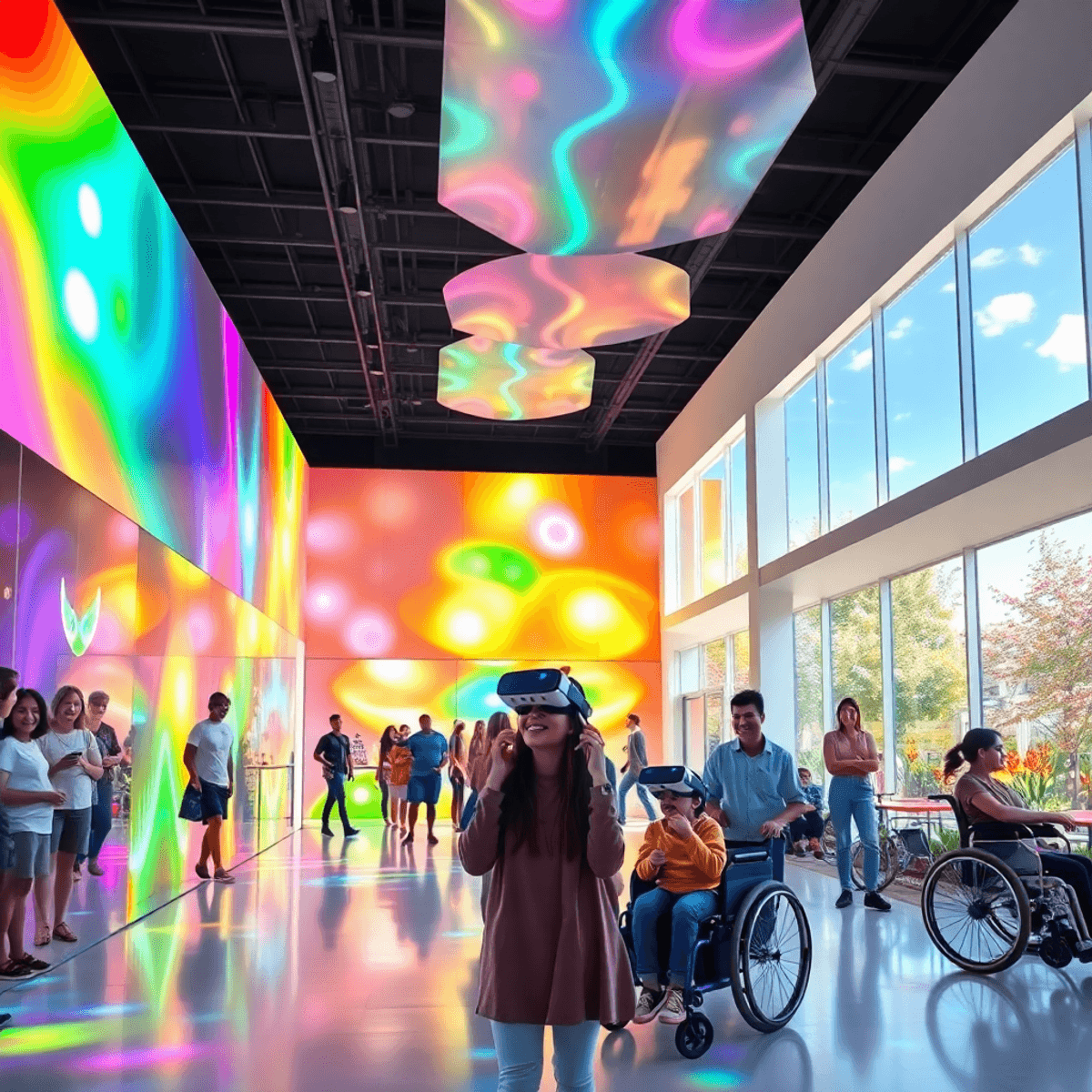
Scotland is about to open its first sensory and illusion activity centre featuring virtual reality. This innovative space combines immersive technology with sensory experiences, creating a one-of-a-kind destination in the country.
The centre is not just meant for entertainment; it aims to be a safe haven for individuals with additional needs—a place where they can explore, learn, and have fun without any barriers.
At the forefront of this groundbreaking initiative is Nadia McNicol, a passionate mother from Crieff. Her vision and determination are propelling this project forward.
Nadia’s personal journey has given her valuable insights into the challenges faced by families who require inclusive spaces designed for various sensory needs.
The upcoming facility will function as an inclusive activity centre catering to people of all ages and abilities. This includes:
The primary goal is to establish an environment that respects dignity, supports regulation through thoughtful design, and genuinely practices inclusion.
Key elements of the centre will comprise:
This initiative led by a Crieff mum signifies a significant shift in how communities across Scotland perceive accessibility, technology integration, and social inclusion—making it an inspiring model worth closely following.
Nadia McNicol’s journey began not as a project leader, but as a mother navigating the complexities of raising a child with microcephaly—a rare neurological condition that affects brain development. This personal experience brought her face-to-face with the realities of neurodivergence and the daily challenges families with additional needs endure. Her story is more than just about caregiving; it reflects a deep understanding of the emotional, social, and practical gaps present in existing support systems.
Living with these challenges, Nadia confronted mental health issues herself, which added another layer of insight into how intertwined physical needs and emotional wellbeing are. Her lived experience highlighted critical shortcomings:
These realizations fueled Nadia’s determination to create something radically different—an environment that respects dignity, promotes regulation, and champions inclusion for all visitors regardless of ability. She recognized that real support means more than accessibility; it demands empathy embedded into design and programming.
Her motivation springs from genuine understanding rather than theory, making What The Sense Centre a vision deeply rooted in authentic need. By addressing gaps she personally encountered, Nadia aims to build a space where neurodivergent individuals and their families find comfort, stimulation, and belonging—all while raising awareness around mental health and additional needs support within the wider community.
What The Sense Crieff is built on a vision that combines immersive sensory spaces with illusion-based activities to create a truly unique environment. This centre aims to be much more than just a venue — it seeks to be a vibrant hub where technology, creativity, and inclusivity intersect.
The mission focuses on:
What The Sense Crieff represents a forward-thinking model for inclusive recreational facilities. Its vision supports mental well-being by providing calming yet engaging environments tailored for regulation and exploration. This aligns closely with current efforts in Scotland to expand opportunities for neurodivergent support within public spaces.
By integrating technology like virtual reality alongside physical sensory installations, the centre offers an innovative mix of experiences not commonly available elsewhere. Guests can enjoy everything from calming sensory rooms to dazzling mirror illusions — all within a safe, welcoming setting designed for all ages and abilities.
The Sense Centre sets itself apart through a carefully curated mix of sensory and illusion experiences designed to engage, soothe, and inspire visitors of all abilities. This is not just another leisure facility—it’s a pioneering space where technology meets accessibility and imaginative play.
Two dedicated calm sensory rooms will provide quiet retreats tailored for regulation and relaxation. These spaces are crafted with soft lighting, gentle sounds, and comfortable seating to help individuals manage sensory overload or anxiety. You’ll find equipment such as weighted blankets, tactile panels, and aromatherapy diffusers designed to promote calmness. These rooms respond to the needs of neurodivergent visitors who require controlled environments to feel safe.
Engagement ramps up in the interactive light and sound areas, where visitors can explore sensory stimulation through dynamic visual and auditory cues. Imagine walking through corridors that respond with changing colors and melodies as you move, or walls embedded with touch-sensitive panels producing various sounds and light patterns. This hands-on approach encourages exploration and fine motor skills development while providing joyful sensory interaction.
The heart of the centre’s illusion experiences lies in several specially designed rooms that manipulate perception using mirrors, infinity effects, and optical illusions. Visitors can immerse themselves in seemingly endless hallways created by reflective surfaces or marvel at gravity-defying visuals that challenge the senses. These illusion experiences are not only entertaining but also encourage cognitive engagement by inviting users to question what they see.
A standout feature is Scotland’s first virtual reality arcade integrated within a sensory activity centre. This space offers digitally immersive adventures suitable for all ages and abilities—from calming nature explorations to interactive games tailored for accessibility. The VR setups use adaptive controllers and adjustable settings ensuring everyone can partake regardless of physical or sensory limitations.
Accessibility lies at the core of the design philosophy. The Sense Centre embraces inclusive principles by catering especially to those with visual impairments through:
This multisensory approach ensures no visitor is excluded from fully experiencing what the centre offers.
Mom creating Scotland’s first sensory and illusion activity centre featuring virtual reality has brought together these elements with one goal: to build an environment where everyone’s senses can be engaged safely, playfully, and meaningfully. Such an innovative combination of calm regulation spaces alongside stimulating illusion environments makes The Sense Centre truly unique within Perthshire—and beyond.
The Sense Centre’s outdoor area is designed as a fully inclusive sensory garden, a rarity in Scotland. This garden will feature light- and touch-reactive installations that engage multiple senses, providing calming and stimulating experiences tailored to individuals with diverse sensory needs. These installations invite visitors to interact gently with their environment, encouraging exploration and sensory regulation in a safe setting.
Accessible play options are central to the garden’s design. Equipment such as wheelchair-friendly swings ensures children of all abilities can enjoy active play without barriers. This commitment to accessibility reflects the centre’s dedication to inclusivity, removing physical obstacles that often limit participation for those with mobility challenges.
Adjacent to the garden, the community café and gathering area serve as vibrant social hubs. They are planned to host a variety of events that promote community engagement in Crieff, including:
These spaces will nurture connections among families, local residents, tourists, and community organizations alike, helping build a supportive network around The Sense Centre. The combination of outdoor sensory experiences and indoor communal activities creates an integrated environment where inclusion extends beyond the individual to embrace the wider community.
The Crieff project has received strong support from the community. Over 200 local residents have shown their enthusiasm by signing petitions in favour of What The Sense Centre. This grassroots backing extends into the business community, with more than 60 local businesses across Perthshire lending their support. Signature forms have been strategically placed in key local organizations such as libraries, community centres, and shops to encourage widespread public involvement.
Nadia McNicol has harnessed this momentum through a dedicated fundraising campaign on GoFundMe, aimed at securing initial capital for the centre’s development. Recognizing that diverse funding streams are essential for sustainability, plans include approaching charitable trusts, local government grants, and private donors alongside community fundraising efforts.
The current focus of the project planning phase is to identify suitable locations within Crieff town. Multiple potential venues are being evaluated based on accessibility, capacity, and adaptability to the centre’s unique needs. This ensures the chosen site can accommodate immersive sensory rooms, illusion spaces, and outdoor garden features while maintaining easy access for all users.
Sustainable development plans are integral to the project’s long-term viability. Delivery plans are being finalized with an emphasis on operational efficiency and environmental responsibility. Early-stage collaboration with local authorities is well underway; dialogues with Perth and Kinross Council include discussions around planning applications, zoning compliance, and community impact assessments. These steps aim to secure necessary approvals and foster positive relationships that will support smooth implementation.
Key points:
This combination of enthusiastic community support, proactive fundraising efforts, careful site selection, and strategic partnerships sets a solid foundation for What The Sense Centre’s progression from concept to reality.
Bringing Scotland’s first sensory and illusion activity centre featuring virtual reality to life involves navigating significant hurdles, particularly in the realm of funding. The estimated budget of around £1.2 million represents a considerable challenge common to many accessibility innovation UK centres and funding challenges Scotland projects face. Securing these funds requires a combination of persistent community engagement, diverse fundraising strategies, and grant applications.
The complexity of designing spaces that are both engaging and non-overwhelming is another critical challenge. For users with additional needs, sensory environments must strike a delicate balance: stimulating enough to provide rich experiences without causing distress or sensory overload. This balancing act demands careful input from experts in neurodiversity, occupational therapy, and user feedback loops to tailor the centre’s atmosphere precisely.
Nadia McNicol’s vision extends beyond simply creating a local facility. The Sense Centre aspires to become a pioneering model for inclusive sensory hubs across Scotland. It aims to demonstrate how immersive technologies like virtual reality can be harnessed thoughtfully within supportive environments. This future prospect sensory centres hold offers hope for wider adoption of inclusive design principles that accommodate diverse populations — from neurodivergent individuals to elderly visitors with varying accessibility needs.
Key considerations shaping this outlook include:
The ambition behind this Mum creating Scotland’s first sensory and illusion activity centre embodies a broader movement toward inclusive leisure spaces in the UK. If successful, it could inspire replication or adaptation in other regions aiming to improve quality of life through accessibility innovation UK centres champion.
This project highlights how personal experience combined with community spirit can fuel transformative initiatives capable of reshaping perceptions about inclusion within recreational settings.
The Sense Centre represents more than just a facility — it embodies a movement toward inclusive innovation Scotland desperately needs. You have the chance to be part of something transformative, a project driven by community spirit and visionary ambition.
Here’s why your involvement matters:
Ways you can contribute:
“When communities come together around innovative ideas that prioritize accessibility and well-being, remarkable change follows.”
You hold the key to turning this inspiring vision into reality. Support What The Sense today — help craft an inclusive future for Scotland where technology and empathy unite to empower every individual.
Scotland’s first sensory and illusion activity centre featuring virtual reality is an innovative inclusive space called What The Sense Centre, created by Nadia McNicol, a Crieff mum. It combines immersive sensory rooms, illusion experiences, and a virtual reality arcade to support people with additional needs and engage the wider community.
The Sense Centre was inspired by Nadia McNicol, a mother from Crieff whose personal experience with her child’s microcephaly and mental health challenges highlighted gaps in support for families with additional needs. Her vision led to the creation of this inclusive activity centre focused on dignity, regulation, and inclusion.
The Sense Centre offers calm sensory rooms designed for regulation, interactive light and sound spaces enhancing sensory engagement, multiple illusion rooms featuring mirror and infinity effects, and a virtual reality arcade providing immersive digital experiences. It also includes accessible design elements catering to visual impairments through sound, touch, and spatial cues.
The Sense Centre plans include a fully inclusive sensory garden in Scotland equipped with light and touch-reactive installations, wheelchair-friendly play equipment like swings, and a community café that hosts weekly classes, arts & crafts sessions, bingo nights, and various events to encourage social interaction among diverse groups.
The project has strong local backing with over 200 resident signatures and support from more than 60 businesses. Fundraising efforts include a GoFundMe campaign launched by Nadia McNicol. Currently, suitable sites within Crieff are being explored alongside finalizing delivery plans. Early discussions with Perth and Kinross Council are underway regarding planning applications to ensure sustainable development.
The main challenge is securing full funding estimated at around £1.2 million. Additionally, balancing engaging yet non-overwhelming environments for users with additional needs is crucial. Despite these challenges, the vision is to establish a pioneering model for inclusive sensory centres in Scotland that inspires similar initiatives nationwide.