How Thrill of the Fight 2 Became a Live VR Esports Event

The Thrill of the Fight 2 has redefined what VR esports can be by transforming a virtual boxing game into…
Read more...
extra! the newsletter for operators and immersive venue owners -

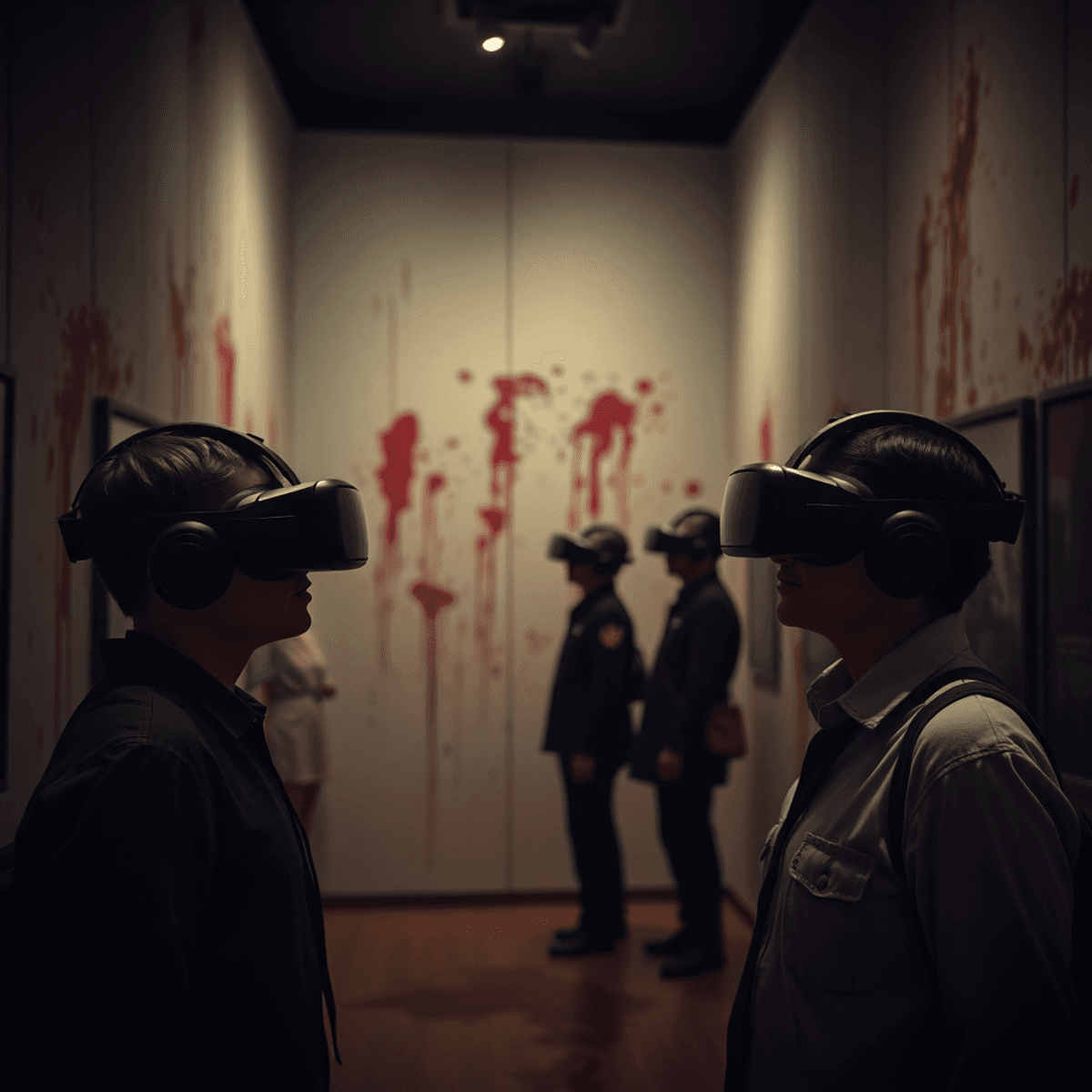
Museum digitization has become a powerful tool for preserving heritage, changing the way cultural artifacts and historical stories are shared with audiences worldwide. With advancements in digital technology, museums can now create immersive experiences that bring ancient objects and narratives to life like never before. This growing trend aligns with the Chinese premier’s inspiring vision to “let the cultural relics in the museums, the heritage on the vast land and the words written in the ancient books come alive.”
Digitization offers powerful tools for education and remembrance, especially when confronting historical trauma representation. It opens doors to deeper engagement with past atrocities through interactive displays and virtual reconstructions. Yet this digital revival carries inherent risks. The dark side of museum digitization emerges when sensitive content triggers potentially traumatizing experiences for survivors or visitors unfamiliar with such harsh realities.
Balancing these dual potentials—to heal or harm—remains a critical challenge. Ethical stewardship is essential to ensure that digital portrayals of traumatic history respect the memory of victims while fostering understanding and empathy. Without careful consideration, what should educate and honor can inadvertently retraumatize or distort complex historical truths.
Key aspects include:
Museums worldwide are rapidly adopting museum digitization to enhance accessibility and engagement. Digital archives, 3D modeling, and interactive platforms allow visitors to explore collections beyond physical limitations. This shift is not just about preservation but also about creating immersive educational experiences.
Virtual reality (VR) technologies have become a powerful addition. VR enables users to step into reconstructions of historical sites, artifacts, or events with a level of presence impossible through traditional media. Museums like the Smithsonian and the British Museum have launched VR exhibits that transport visitors to ancient civilizations or significant cultural moments.
In education, VR projects represent a new pedagogical frontier, especially in atrocity education. This technology offers:
Such innovations encourage learners to connect emotionally with difficult pasts while maintaining cognitive understanding. These tools are increasingly recognized for their potential to deepen historical awareness without overwhelming students emotionally or intellectually. The intersection of technological innovation in education and museum digitization is reshaping how history is taught and remembered.
The 1937 Nanking massacre is a significant and traumatic event in Chinese history. During this six-week period, Japanese troops occupied the then-capital city of Nanking, committing widespread atrocities. The death toll estimates vary drastically, from tens of thousands to as many as 300,000 victims. This dark chapter remains deeply embedded in China’s collective memory and is commemorated annually through national ceremonies.
Simon Li, executive director of the Hong Kong Holocaust and Tolerance Centre, shared his experience presenting at an international conference on educational technology innovation. Following his talk, a group of Chinese history educators approached him with keen interest in developing a VR project centered on the Nanking massacre. Their goal was to create an immersive learning tool that could make history palpable for students without causing emotional overload.
This initiative highlights how VR can be strategically employed to evoke deeper emotional engagement with historical trauma while maintaining ethical sensitivity. By simulating environments and narratives connected to the massacre, learners are invited to grasp the gravity of past events through presence and perspective rather than passive observation. The project embodies a careful balance—immersing users enough to foster empathy but not so much as to retraumatize or overwhelm them emotionally.
Digitizing traumatic history poses significant ethical challenges that require careful consideration. Representing historical trauma through immersive digital technologies like VR risks crossing sensitive boundaries between education and emotional harm.
The challenge rests in harnessing the power of technology without sacrificing empathy or historical accuracy. This requires collaboration with historians, psychologists, survivors, and educators to create digital spaces that honor trauma while fostering understanding—not harm.
Digital representations of traumatic history have a powerful emotional impact. They can evoke deep empathy and foster a better understanding of events that traditional textbooks or lectures might fail to convey. Through immersive experiences, audiences can connect with the human stories behind historical facts, making the past feel immediate and relevant.
At the same time, these technologies carry risks. Immersive exposure to graphic content may cause distress or retraumatize survivors and sensitive viewers. Without adequate emotional support or contextual framing, audiences can feel overwhelmed or helpless rather than empowered.
Questions arise around ethical challenges such as:
The potential for healing exists if these concerns are thoughtfully addressed. Immersive tools can cultivate ethical empathy—an informed compassion grounded in respect and awareness—helping learners process difficult histories in a safe space. Neglecting emotional care, however, risks doing harm by reopening wounds without guidance.
Understanding ethical challenges related to emotional impact is essential when designing museum digitization projects about traumatic history.
China’s approach to teaching about atrocities is closely connected to its national commemorative ceremonies. Events marking the anniversaries of the Nanjing massacre and the victory over fascism in World War II are held with great seriousness and receive extensive government support. These ceremonies serve as both acts of remembrance and educational moments, reinforcing collective memory across generations.
This state-driven effort to preserve memory influences how digital tools such as virtual reality (VR) projects are integrated into atrocity education. By aligning technology with commemorative practices, China aims to weave history into a larger narrative of national identity and collective healing. This alignment also ensures that digital initiatives are respectful of the emotional significance attached to these historical events.
Virtual reality (VR) in education offers a transformative approach to experiencing history, particularly when dealing with the traumatic pasts of East Asia. Unlike traditional textbooks or documentaries, VR immerses learners directly into reconstructed historical environments, enabling a visceral understanding of events such as the Nanking massacre. This immersive quality helps bridge the emotional distance often felt with conventional teaching methods.
The dark side of museum digitization emerges when immersion leads to potentially traumatizing experiences. Without careful design and ethical guidance, users may encounter distressing content too intense for their coping capacities. This risk underscores the importance of balancing emotional impact with educational value in VR atrocity education projects.
East Asian educators view VR as a pedagogical frontier capable of honoring memory while innovating how history is taught. The challenge lies in harnessing its power responsibly—creating digital spaces that heal by promoting understanding rather than harm through overwhelming exposure.
China’s ambitious effort to bring cultural relics “alive” through museum digitization highlights both promise and peril. The healing vs harm debate is central—digitization can deepen understanding and empathy, yet it carries museum digitization risks, especially when representing traumatic histories. Immersive technologies like VR walk a fine line between education and retraumatization, exposing the dark side of museum digitization where experiences of past atrocities may inadvertently cause distress.
Key considerations moving forward:
Thoughtful, responsible digitization can transform how future generations connect with history—honoring the past without sacrificing emotional well-being or authenticity.