Inside Fort Wayne’s New VR-First Arcade Startup (2026)

Mystic Arcade, a new arcade with focus on VR, has officially opened its doors in Fort Wayne, marking a fresh…
Read more...
extra! the newsletter for operators and immersive venue owners -

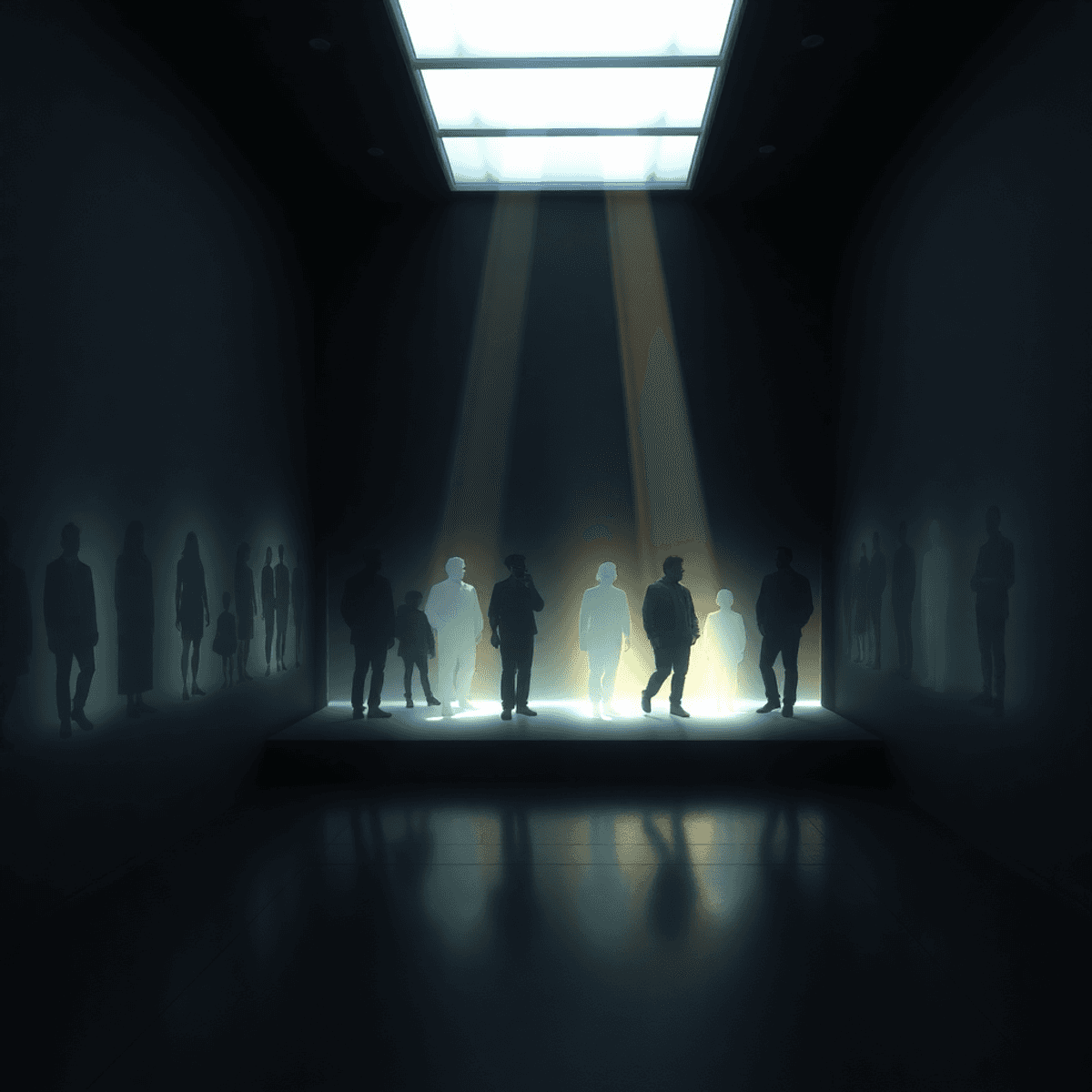
The Museum of Austerity VR Exhibit stands out as a mixed reality experience that combines theatre, holographic imagery, and authentic testimonies. It serves as a poignant exploration of the suffering endured by disadvantaged people due to UK government austerity programmes. This innovative exhibit highlights how welfare state failures have deeply affected vulnerable communities across the country.
Key purposes of the Museum of Austerity include:
This approach pushes beyond traditional media, allowing visitors to step inside the lived realities of those impacted by austerity policies. The emotional weight carried by these stories fosters empathy in ways that statistics or reports cannot achieve.
The Museum of Austerity VR Exhibit highlights suffering of disadvantaged people from current UK government programs in a powerful, immersive format.
By engaging audiences directly with these experiences, the exhibit becomes more than just an educational tool—it acts as a catalyst for social awareness and change. You witness the stark consequences of government neglect on disadvantaged people UK welfare systems were meant to protect, deepening understanding and prompting critical reflection.
Since 2010, the UK government has implemented a series of programs aimed at reducing public spending. This period, often referred to as “austerity Britain,” has seen various administrations—such as the Labour government’s final years, the coalition government (2010-2015), and the Conservative-led Tory governments—introduce policies that consistently drive cuts to welfare budgets. While the stated objective was to address national debt, these measures have often come at the cost of vulnerable communities.
One significant reform was the replacement of the Disability Living Allowance (DLA) with the Personal Independence Payments (PIP) system. This change brought about strict assessments conducted by outsourced companies such as Capita and Atos, which have faced widespread criticism for their severe criteria. Many individuals claiming benefits experienced a loss or reduction despite having ongoing disabilities, causing distress among those affected.
These austerity measures provide the context for understanding the narratives presented in the Museum of Austerity VR Exhibit. The exhibit aims to show how policy decisions directly result in human suffering. By highlighting stories from austerity Britain, it brings statistics to life through personal accounts and immersive experiences.
The Museum of Austerity stands out as a mixed reality exhibition that merges theatre with cutting-edge XR (extended reality) technology. Directed by Sacha Wares, a respected figure in immersive theatre, and co-created by John Pring from Disability News Service, the exhibit reflects a deep commitment to authentic storytelling and social justice.
This blend of theatre and technology does not simply recreate events; it immerses visitors inside the lived realities of vulnerable individuals. By doing so, it challenges perceptions and invites empathy through an innovative storytelling medium rarely seen in political or social commentary.
The Museum of Austerity VR Exhibit places you directly inside the lived realities of disabled and disadvantaged people under austerity, using testimonies of disabled people UK as a core element. Two narratives stand out for their emotional depth and illustrative power:
David, a former soldier, embodies the struggles faced by many veterans navigating welfare reforms. His story reveals how the system’s rigid assessments ignored the complexities of his disabilities, leading to repeated denials of support.
Moira, a nurse, describes her descent into hardship after losing access to essential benefits. Her testimony highlights the human cost behind policy decisions that treat individuals as mere statistics.
The exhibit sheds light on the impact of outsourcing disability assessments to private companies like Capita and Atos. These firms have been widely criticized for conducting insensitive and inaccurate evaluations that exacerbate hardship for claimants.
Visitors encounter testimonies revealing the labyrinthine nature of benefits processes—complex forms, endless appeals, and opaque criteria. Such bureaucratic obstacles are not just frustrating but can be fatal; the exhibit references tragic outcomes including suicides linked to welfare tests during 2015.
This raw, unfiltered portrayal emphasizes how welfare system mistakes have caused real harm. The Museum of Austerity VR Exhibit highlights suffering of disadvantaged people from current UK government programs, making visible what is often invisible: the human consequences of austerity policies.
The Museum of Austerity prioritizes accessibility for disabled audiences by integrating essential features within its VR exhibits. Visitors with hearing impairments benefit from captions that accompany all spoken testimony, ensuring no narrative detail is lost. For those with visual impairments, audio descriptions provide rich, vivid explanations of the holographic imagery and spatial context, making the immersive experience more inclusive.
Additional accessibility measures include:
These precautions respect the emotional safety of visitors while maintaining the exhibit’s powerful storytelling. Sensitivity to trauma highlights how important it is to create spaces that educate without retraumatizing vulnerable audiences. The thoughtful design emphasizes that accessibility is not an afterthought but a core principle in sharing stories of government neglect authentically and responsibly.
The Museum of Austerity VR Exhibit has earned significant recognition within the digital arts and immersive storytelling communities. It was a finalist in the XR History Awards, highlighting its innovative use of extended reality to explore historical and social narratives. The exhibit also received a nomination for Best Digital Innovation at the UK Theatre Awards, underscoring its successful fusion of theatre and cutting-edge technology. Winning the IDFA Best Immersive Production further cemented its status as a leading project in immersive documentary art.
Critical feedback reflects a balance between praise and constructive critique:
Despite technical shortcomings, the exhibit’s ability to inspire empathy and provoke discussion remains widely acknowledged.
The Museum of Austerity VR Exhibit goes beyond just being an exhibit. It actively supports Welfare Justice workshops, which are gatherings of activists, policy experts, and individuals directly affected by welfare issues in the UK. These workshops aim to explore and understand the deep-rooted problems within the country’s welfare programs. The exhibit plays a crucial role by providing a vivid and relatable reference point, making abstract policy discussions more concrete by connecting them to the real-life experiences of marginalized individuals.
Collaborations with research organizations such as the Joseph Rowntree Foundation further amplify the impact of the exhibit. The foundation’s valuable insights on poverty and social exclusion perfectly complement the stories conveyed in the VR experience, reinforcing calls for comprehensive policy reform. This partnership showcases how evidence-based advocacy and immersive storytelling can come together to drive meaningful change.
Austerity narratives continue to hold significant relevance today, reflecting ongoing government policies that still have a detrimental effect on vulnerable populations. Even with changes in political leadership, welfare reforms and cuts persist, perpetuating cycles of hardship vividly depicted by the case studies presented in the exhibit. By shining a light on these persistent issues, the Museum of Austerity challenges its visitors to recognize that government neglect is not something from the past but rather an active crisis that demands immediate attention.
The ongoing conversations sparked by the exhibit nurture critical awareness and encourage community involvement, ensuring that discussions surrounding welfare justice remain prominent in public discourse.
The Museum of Austerity VR Exhibit is an important cultural project that highlights the suffering caused by the UK government’s neglect, which is often ignored. It uses virtual reality storytelling for social justice to show the difficult lives of disadvantaged individuals affected by current welfare programs. This immersive experience forces visitors to confront human rights abuses and failures of the welfare state, making the impact of abstract policies personal and urgent.
Engaging with projects like this is crucial for fostering genuine empathy and driving meaningful social change. Immersive storytelling through VR provides a powerful platform to educate, challenge preconceived notions, and amplify voices that are often silenced or marginalized.
We encourage you to support and explore similar innovative initiatives that use technology and art to expose systemic injustices. These experiences go beyond simply informing—they create opportunities for dialogue, advocacy, and action towards a fairer society.