Spring Festival, Reimagined: AR + AI in Chinese Museums
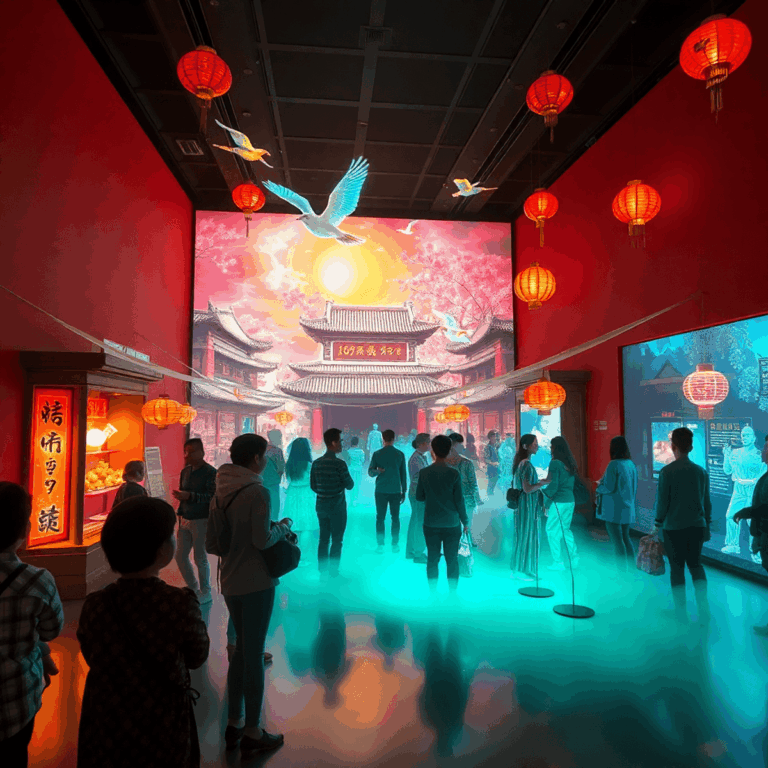
Chinese museums are using technology to create immersive Spring Festival experiences that redefine traditional cultural celebrations. The Spring Festival, which…
Read more...
extra! the newsletter for operators and immersive venue owners -

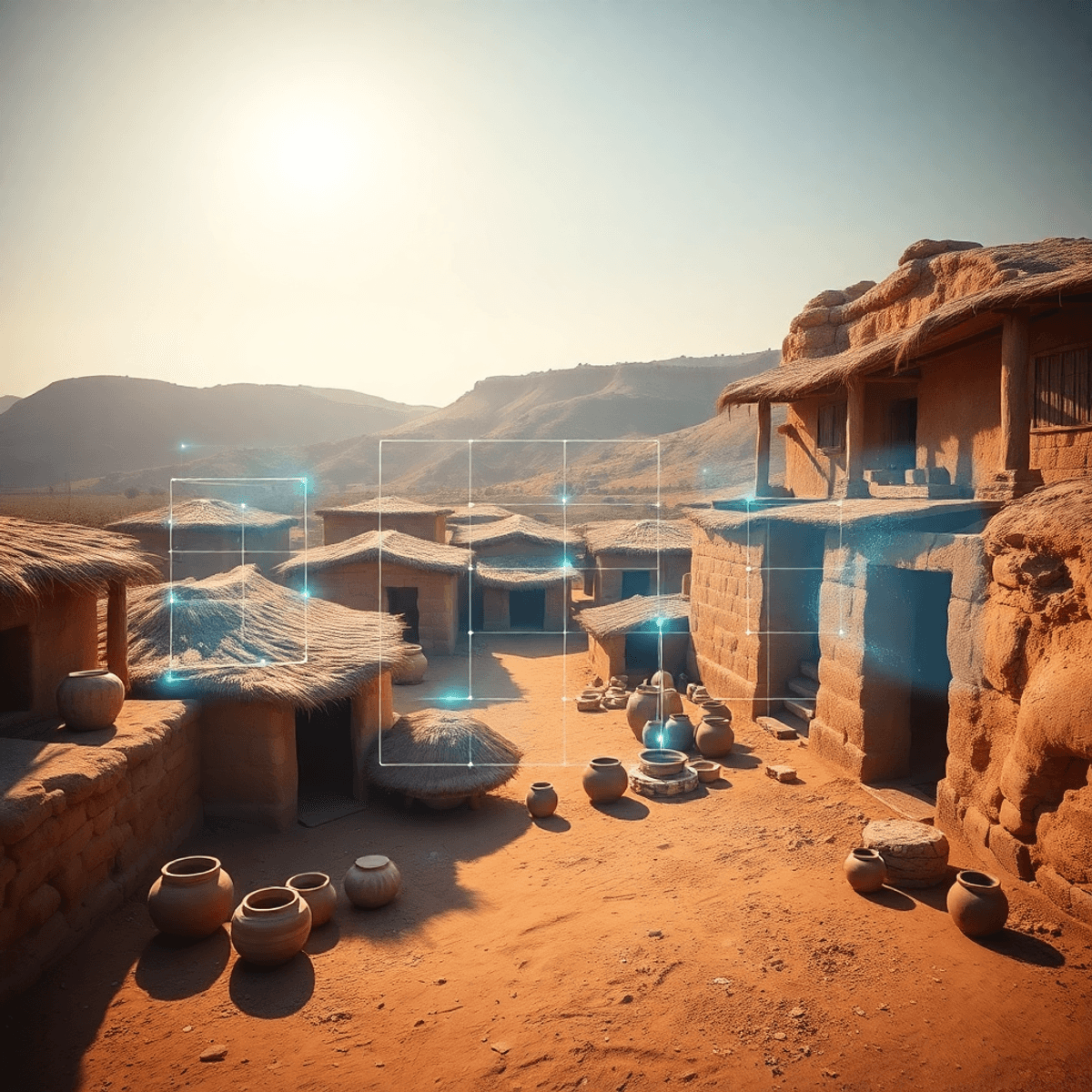
The Rakhigarhi Museum is an important heritage site dedicated to preserving and showcasing one of the most significant chapters in human history—the Harappan era. Located in the village of Rakhigarhi, this museum is set to become a gateway into the daily lives, culture, and advancements of the Indus Valley Civilisation, which thrived nearly 5,000 years ago.
The Harappan era represents one of the oldest and most sophisticated ancient civilisations globally. Known for its urban planning, advanced craftsmanship, and extensive trade networks, the Indus Valley Civilisation offers invaluable insights into early human society. Yet, much about their lifestyle remains a mystery due to limited written records.
Using virtual reality (VR) technology opens new ways to explore this ancient world. VR allows you to step into reconstructed Harappan environments, interact with artefacts virtually, and witness scenes from everyday life that static displays cannot convey. This immersive experience bridges the gap between archaeological findings and modern understanding.
This article explores how cutting-edge virtual reality and other modern technologies are used at the Rakhigarhi Museum to bring history vividly to life. You will discover how these innovations deepen engagement with the past and make the Harappan civilisation accessible to visitors of all ages.
Rakhigarhi village stands out as the largest known habitation site from the Harappan era, a key settlement in the vast Indus Valley Civilisation. Spread across a substantial area in Haryana, this archaeological site offers unparalleled insight into one of the world’s oldest urban cultures.
Significant discoveries unearthed at the Rakhigarhi archaeological site reveal a sophisticated lifestyle:
These findings emphasize the advanced nature of urban life during the Harappan period, highlighting their expertise in construction and social organization.
A vital component in preserving these treasures is the temporary museum located at Mound No 1. This facility not only safeguards numerous artefacts but also serves as an interpretative centre where visitors and researchers can explore authentic remnants of ancient civilisations lifestyle. The museum’s role extends beyond preservation; it acts as a crucial link connecting present-day audiences with the tangible past.
Discovery and study of these artefacts have transformed our understanding of daily life in the Indus Valley Civilisation. Objects such as tools, pottery fragments, and personal adornments reflect everyday activities, trade practices, and cultural expressions. This archaeological evidence allows historians to reconstruct aspects like diet, craftsmanship, social hierarchy, and ritual customs that defined Harappan society.
The continuous excavation efforts at Rakhigarhi reinforce its position as an archaeological marvel. Each unearthed item adds layers to our comprehension of how ancient communities lived, worked, and interacted — turning silent ruins into vivid stories from nearly 5,000 years ago.
The development of the Rakhigarhi Museum is a significant collaboration between the Haryana Government and the Central Government of India. This joint initiative aims to create a world-class heritage site that not only preserves but also celebrates the rich legacy of the Harappan era.
Dr Amit Agrawal, Commissioner and Secretary of the Heritage and Tourism Department, plays a crucial role in guiding this ambitious project. His expertise in heritage conservation and tourism development ensures that the museum’s construction aligns with both archaeological preservation standards and visitor engagement goals. The Heritage and Tourism Department under his guidance is responsible for coordinating efforts across multiple agencies to maintain project timelines and quality benchmarks.
A total budget of Rs 24 crore has been allocated specifically for the construction of the museum. This substantial investment covers an expansive 5.5-acre site located on the outskirts of Rakhigarhi village. The scale of funding reflects a strong governmental commitment to developing infrastructure that meets international museum standards.
The primary goal is to position Rakhigarhi prominently on the global heritage tourism map. By creating this museum, authorities intend to attract scholars, historians, tourists, and students from around the world who are interested in one of humanity’s earliest urban cultures. The project aims to:
This visionary approach transforms Rakhigarhi from an archaeological site into an interactive hub for cultural education and heritage tourism, ensuring its significance endures for generations to come.
The Rakhigarhi Museum is designed to be more than just a building; it is a comprehensive experience hub that blends architectural finesse with advanced technology to transport visitors back to the Harappan era.
Virtual reality (VR) takes center stage in recreating Harappan life at Rakhigarhi Museum. This technology offers an immersive experience by enabling visitors to virtually step into scenes from 5,000 years ago. Imagine walking through a bustling Harappan marketplace or witnessing ancient artisans at work — VR recreates these moments with vivid detail.
Traditional museums often rely on static displays that may feel distant or disconnected from daily life in ancient times. The Rakhigarhi Museum’s technological innovations change this by:
These elements combined make the museum not just a place for viewing artefacts but a venue where history is experienced firsthand. Virtual reality, alongside 3D projections and interactive exhibits, transforms abstract archaeological data into vivid stories of human civilization’s early chapters.
The Rakhigarhi Museum places a strong emphasis on presenting nearly 5,000-year-old artefacts with utmost authenticity and care for preservation. These relics offer a tangible connection to the lives of people from the Harappan era, revealing their craftsmanship, daily routines, and cultural practices.
The museum showcases a variety of pottery styles unearthed from the site, ranging from utilitarian vessels to intricately decorated pieces. These ceramics reflect the technological skills and artistic expressions of the Harappans. Detailed displays explain manufacturing techniques such as wheel-throwing and firing processes that contributed to the durability and design diversity.
A remarkable collection of jewellery crafted from semi-precious stones, metals, and terracotta is featured. Exhibits highlight bead-making methods, metalworking techniques, and symbolic motifs used in personal adornment. Visitors gain insight into how jewellery served not only aesthetic purposes but also social and ritualistic functions.
Everyday tools made from copper, stone, and bone are presented with explanations about their uses in agriculture, craft production, and domestic activities. These implements illustrate the technological advancements achieved by Harappan society and their adaptation to environmental conditions.
Figurines, toys, seals, and ritual items fashioned from terracotta provide a glimpse into religious beliefs and social life. Interactive displays demonstrate the molding processes and cultural significance behind these objects.
State-of-the-art conservation techniques ensure these artefacts remain intact for future generations while allowing visitors close inspection. High-resolution 3D scans create digital replicas that visitors can explore interactively without risking damage to originals. Augmented reality features overlay contextual information directly on exhibits, enriching understanding of their historical background.
The museum’s approach combines scientific preservation with engaging storytelling powered by multimedia tools. This method helps you appreciate the complexity of Harappan material culture beyond static display cases. By examining pottery shards alongside virtual reconstructions or comparing tool functions through interactive models, you experience history as a living narrative grounded in real objects.
Each artefact category is carefully curated to reveal connections between form, function, and symbolism within Harappan society. The interplay between physical evidence and modern interpretative technology bridges millennia effortlessly—making ancient craftsmanship accessible in ways traditional museums often cannot match.
The kids zone in the museum is a standout feature, created to spark curiosity and deepen understanding of Harappan culture among young visitors. This dedicated space offers a variety of interactive kids’ activities designed for hands-on learning. Children can engage with replicas of ancient tools, try their hand at pottery-making techniques used during the Indus Valley Civilisation, and participate in digital games that simulate archaeological digs. These activities transform complex historical concepts into tangible experiences, making history accessible and enjoyable.
The museum’s modern library functions as a dynamic resource center tailored to encourage youth engagement with archaeological research. It houses an extensive collection of books, journals, and digital archives related to the Harappan era and broader ancient Indian history. Young scholars, students, and enthusiasts can access multimedia materials and interactive databases that bring excavation reports and artefact studies to life. The library also organizes workshops, lectures, and reading sessions led by experts, fostering a deeper connection between the younger generation and their cultural heritage.
An open-air theatre complements these educational efforts by hosting regular programs related to history and culture. Performances include dramatizations of Harappan daily life, storytelling sessions about ancient myths and discoveries, and presentations on archaeological findings. These live shows provide an immersive backdrop where visitors of all ages can witness the vibrancy of the Indus Valley Civilisation beyond static displays.
This combination of hands-on learning, research-oriented resources, and live cultural programs ensures that education at Rakhigarhi Museum is not limited to passive observation but promotes active participation. It creates an environment where every visitor—from curious children to serious students—can connect meaningfully with one of the world’s oldest civilisations.
The vision to establish Rakhigarhi as a major tourist destination involves comprehensive planning that targets both infrastructure development and cultural preservation. Authorities are investing in facilities designed to enhance visitor experience, including:
These elements create a holistic environment encouraging longer visits and deeper engagement with the site’s history.
The use of virtual reality to recreate Harappan life at Rakhigarhi Museum forms a cornerstone of this tourism strategy. VR technology offers immersive storytelling that transports visitors back 5,000 years, making the ancient civilisation vivid and tangible. This attraction is expected to draw not only history enthusiasts but also technology lovers, diversifying the museum’s audience.
Tourism growth through these initiatives holds significant promise for the local community. Expansion of the site into a world-class destination will open numerous employment opportunities for local youth in areas such as:
Employing locals helps sustain community engagement with heritage conservation while providing economic benefits. This symbiotic relationship between tourism development and local empowerment supports a sustainable future for Rakhigarhi village.
Investments in infrastructure combined with cutting-edge experiences position Rakhigarhi not just as an archaeological marvel but as a thriving hub where heritage meets modern tourism innovation.
Progress on the Rakhigarhi Museum project has gained significant momentum. Dr Amit Agrawal, Commissioner and Secretary of the Heritage and Tourism Department, recently conducted thorough site visits to inspect both the archaeological excavations and temporary exhibition spaces at Rakhigarhi.
Steps initiated to accelerate construction and development are designed to meet strict deadlines while maintaining conservation standards:
The museum’s future prospects look promising due to these proactive measures. Its successful completion will solidify Rakhigarhi’s status as a premier heritage destination showcasing one of the oldest urban civilizations through immersive modern technology.
The Rakhigarhi Museum is a great example of how archaeological research and modern technology can come together to improve education and tourism. By using virtual reality in museums India and interactive multimedia tools, this project offers a new way to connect with the ancient Harappan era.
Visitors will not just look at artefacts; they will experience history through immersive heritage experiences that recreate everyday life from 5,000 years ago. This approach goes beyond traditional displays, making history real and relevant for people of all ages.
The museum’s innovative use of virtual reality to recreate Harappan life at Rakhigarhi Museum helps preserve culture by:
This combination of advanced technology with archaeological accuracy ensures that the legacy of the Harappan civilisation is not only preserved but also brought vividly to life—encouraging learning, exploration, and appreciation in ways traditional museums have yet to achieve. The Rakhigarhi Museum promises to be a landmark for immersive cultural experiences that honor the past while engaging the future.
The Rakhigarhi Museum serves as a world-class heritage site dedicated to showcasing the largest habitation site from the Harappan era. It plays a crucial role in preserving and presenting artefacts, archaeological findings, and insights into daily life during the Indus Valley Civilisation, thereby promoting cultural heritage and education.
Virtual reality (VR) technology at the Rakhigarhi Museum offers immersive experiences that recreate Harappan life scenes, allowing visitors to engage interactively with ancient lifestyles. This cutting-edge innovation, combined with 3D projections and interactive displays, provides a deeper understanding compared to traditional museum exhibits.
Key findings include raw and baked bricks, remains of mud houses, human skeletons, pottery, jewellery, tools, and terracotta objects dating back nearly 5,000 years. These artefacts offer valuable insights into the craftsmanship, daily activities, and rituals of the Indus Valley Civilisation.
The museum development is a joint initiative by the Haryana Government and Centre Government of India under the leadership of Dr Amit Agrawal and the Heritage & Tourism Department. With an investment of Rs 24 crore on a 5.5-acre site, their strategic goal is to position Rakhigarhi prominently on the global heritage tourism map.
The museum features a dedicated kids zone with interactive games and activities designed for hands-on learning about Harappan culture. Additionally, it includes a modern library serving as a resource center to encourage youth engagement with archaeological research and open-air theatre programs related to history and culture.
Tourism development plans aim to establish Rakhigarhi as a major tourist destination with comprehensive infrastructure including hostel facilities and cafes. This growth is expected to create employment opportunities for local youth, fostering economic development while promoting cultural preservation through immersive experiences like virtual reality.