Insta VR Debuts at Amusement Expo: What to Expect

Introduction InstaVR Arena is set to make a significant impact on the virtual reality amusement sector by offering a revolutionary…
Read more...
extra! the newsletter for operators and immersive venue owners -

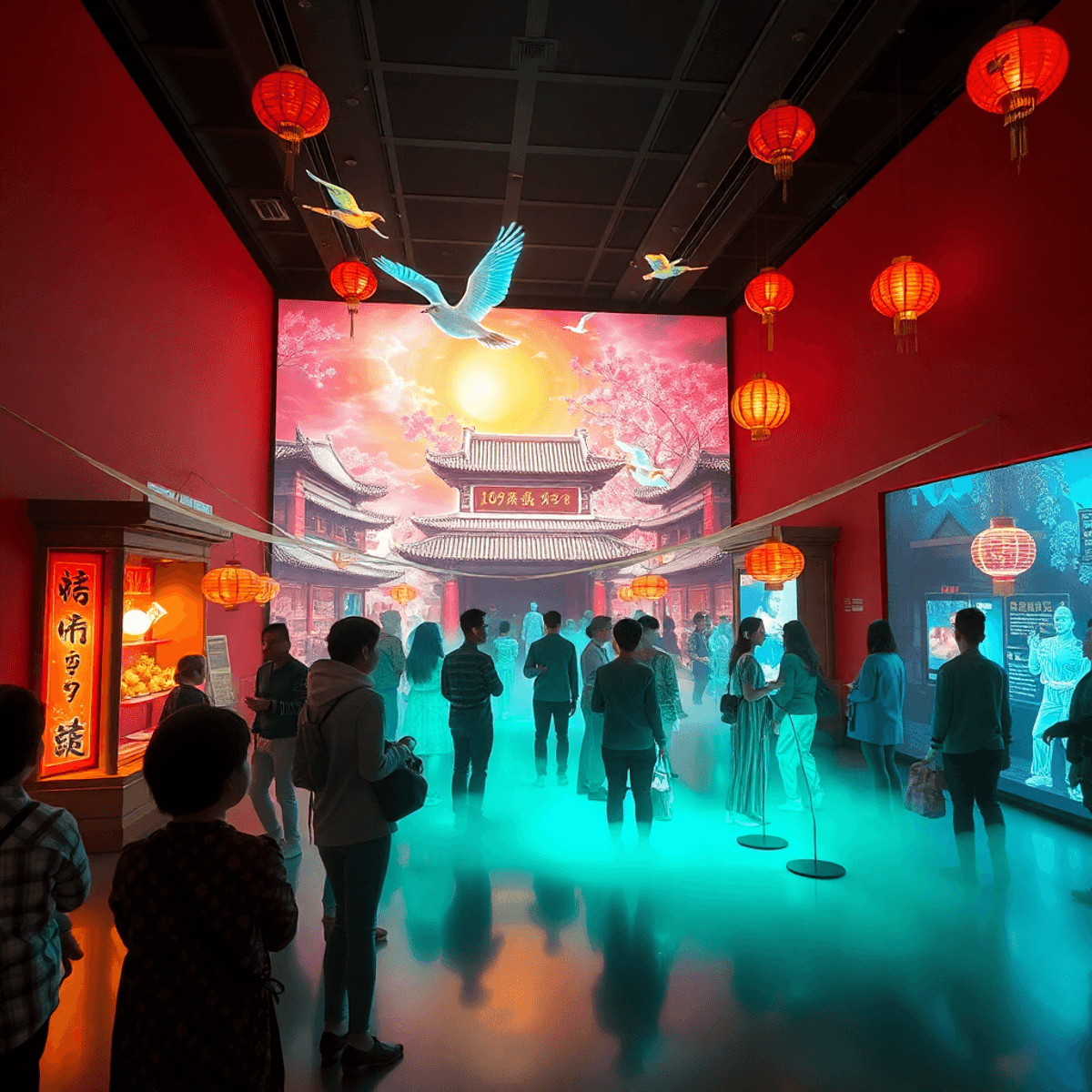
Chinese museums are using technology to create immersive Spring Festival experiences that redefine traditional cultural celebrations. The Spring Festival, which has a rich history and customs, is moving beyond static exhibitions and conventional displays. Museums all over China are embracing interactive, immersive technology to build captivating spaces where visitors can actively take part in cultural storytelling.
This transition from passive watching to lively involvement mirrors a larger movement toward experiential learning. Augmented reality (AR) and artificial intelligence (AI) are leading this change. These tools empower museums to vividly recreate ancient traditions, making historical stories relatable and interesting to contemporary audiences—especially younger generations who anticipate tech-driven involvement.
For businesses in the technology industry, this opens up substantial B2B opportunities. Tech companies can partner with cultural institutions to create customized AR/AI solutions that enhance festive exhibitions. Collaborations centered around immersive platforms assist museums in drawing larger crowds while safeguarding heritage through inventive storytelling techniques.
Engaging Chinese museums as clients allows access to an expanding market where tradition intertwines with state-of-the-art technology—an area brimming with potential for imaginative growth and significant cultural tourism initiatives.
Chinese museums are increasingly adopting immersive museum experiences to transform the way visitors engage with cultural heritage during the Spring Festival celebrations. This shift responds to evolving visitor expectations, particularly from younger audiences who seek dynamic, interactive encounters rather than passive observation.
Museums across different regions have introduced creative concepts that replace traditional exhibitions with participatory experiences:
Interactive technology heightens visitor involvement by turning spectators into participants. Benefits include:
Chinese museums are harnessing immersive technologies not just as gimmicks but as meaningful tools to revitalize cultural storytelling during one of China’s most important traditional holidays. This trend highlights a growing recognition within cultural tourism China that blending heritage with innovation is key to sustaining public interest and education.
The Xixia Imperial Tombs Museum set a new standard for immersive cultural experiences during the Spring Festival by turning a 300-meter corridor into a lively ancient street scene. This ambitious project combined augmented reality (AR) technology with theatrical elements, creating a multisensory journey that invited visitors to step back in time.
Visitor reactions often highlighted a profound “time-travel” sensation. Many praised how the combination of live performance and cutting-edge digital art made the history feel alive rather than static. The ability to interact with historical themes through technology resonated particularly well with younger audiences, bridging generational gaps in cultural interest.
From a marketing perspective, this Spring Festival event significantly boosted foot traffic to the museum. The immersive storytelling approach elevated visitor perception of the heritage site, positioning Xixia Imperial Tombs Museum as an innovator in cultural fusion. Social media shares and glowing reviews amplified awareness beyond local circles, attracting tourists keen on experiencing this unique blend of tradition and technology.
This case illustrates how carefully crafted immersive performances can redefine festival celebrations within museums, offering a dynamic alternative to conventional exhibitions while preserving historical narratives through modern means.
Chinese museums are using technology to create immersive experiences during the Spring Festival. They are incorporating augmented reality (AR) into their exhibits and using artificial intelligence (AI) applications to enhance storytelling beyond traditional displays. These digital initiatives in cultural heritage aim to provide interactive exhibits that deeply engage visitors by immersing them in authentic historical experiences.
Augmented Reality (AR) plays a significant role in transforming museum experiences:
Artificial Intelligence (AI) is also being utilized to personalize and enhance museum experiences:
Implementing AR and AI technologies in large-scale museum events requires careful planning across several key areas:
The combination of augmented reality in museums and artificial intelligence applications is revolutionizing how Chinese museums showcase their rich heritage during the Spring Festival. These digital efforts in cultural heritage offer visitors more than just a passive viewing experience; they provide an opportunity for active participation in centuries-old traditions brought vividly to life through technology.
Chinese museums continue pushing the boundaries of museum innovation China by expanding immersive experiences beyond traditional displays. This shift brings visitors closer to history through active participation and interactive technologies, deepening engagement during the Spring Festival.
The Zhengzhou Shang Dynasty Capital Ruins Museum offers an immersive theater production that invites visitors to partake in ancient sacrificial rituals. The experience combines live actors with AR overlays and ambient soundscapes, blending physical presence with digital enhancements. Visitors don wearable devices that trigger contextual storytelling and visual effects as they move through reconstructed ritual spaces.
Key features include:
This approach transforms passive observation into an active cultural reenactment, fostering empathy and understanding of Shang Dynasty traditions.
At Inner Mongolia Museum, role-playing exhibits simulate ancient trade practices along historic commerce routes. Using interactive technology interfaces such as touchscreens, motion sensors, and AI-driven NPCs (non-player characters), visitors engage in trading goods like silk, tea, and horses within a digitally recreated marketplace.
Highlights include:
This innovative use of technology enlivens economic history while encouraging critical thinking about cultural interactions during ancient times.
These examples demonstrate how immersive theater production and role-playing exhibits redefine visitor experiences by merging storytelling with cutting-edge digital tools. Museums adopting such models attract diverse audiences eager for hands-on involvement rather than static observation. The Spring Festival serves as an ideal occasion to showcase these innovations when public interest in heritage peaks.
Technology providers focusing on immersive platforms find fertile ground partnering with institutions eager to co-create engaging content tailored to specific historical periods or cultural themes. This synergy drives continuous evolution in how museums present tradition through a modern lens.
Chinese museums are experiencing a surge in demand for advanced digital tools that transform traditional exhibitions into captivating, holiday-themed experiences. The Spring Festival has become a prime occasion for cultural institutions to leverage immersive technologies, creating new touchpoints for visitor engagement and storytelling. This surge opens significant opportunities for businesses specializing in B2B museum technology solutions.
Business models focusing on these areas position technology providers as key enablers in the evolving landscape of museum experiences during traditional festivals. The convergence of culture and technology demands solutions that respect heritage while pushing creative boundaries — a challenge and opportunity well suited to innovators in the AR/AI space.
Chinese museums use technology for immersive Spring Festival experiences, but the path to seamless implementation is not without obstacles. The balance between authenticity and innovation remains a core challenge when integrating AR and AI into cultural storytelling.
Immersive tech must enhance rather than overshadow the historical narratives. When AR overlays or AI-driven interactions become too dominant, they risk distracting visitors from the cultural essence of exhibits. Museums face the delicate task of designing user experience elements that complement traditional artifacts and stories, not compete with them. For example, digital reconstructions should avoid anachronisms or overly stylized visuals that might distort historical accuracy.
Crafting intuitive interfaces that engage diverse audiences—from tech-savvy youth to older generations less familiar with AR/AI—is essential. Poorly designed interactions can frustrate visitors, detracting from both learning and enjoyment. Museums must invest in thorough user testing and iterative design processes to ensure accessibility and meaningful engagement throughout immersive Spring Festival experiences.
High-quality production combining actors, period costumes, atmospheric lighting, and cutting-edge technology demands significant resources. Budgeting for both physical staging and digital development requires careful planning. The integration of AR/AI hardware (headsets, sensors) and software platforms adds complexity and expense. Smaller institutions may struggle to match the scale of projects seen at larger sites like the Xixia Imperial Tombs Museum or Palace Museum without external partnerships or funding.
Seamless synchronization between live theatrical elements and real-time digital effects involves intricate technical coordination. Latency issues or hardware malfunctions can disrupt immersion, negatively impacting visitor satisfaction. Museums must work closely with technology providers to ensure robust system architecture capable of handling large crowds during peak festival periods.
Implementers need deep understanding of cultural symbolism embedded in Spring Festival traditions. AI-generated content or AR scenarios lacking this insight risk presenting superficial or incorrect interpretations of heritage practices. Collaboration with historians, cultural experts, and community stakeholders is vital to maintain respectfulness while innovating.
These challenges shape how museums approach immersive tech adoption for Chinese New Year celebrations. Careful attention to authenticity, user experience design, cost control, technical reliability, and cultural integrity defines success in reimagining festival storytelling through AR and AI.
Chinese museums are set to embrace a new wave of future museum technologies that enhance visitor engagement during the Spring Festival and throughout the year. These innovations aim to seamlessly blend physical and digital experiences, enriching cultural storytelling while catering to diverse audience needs.
One notable trend is the rise of AI-driven virtual guides. These intelligent assistants can provide:
This technology promises to transform guided tours by making them more inclusive and adaptive. Museums can deploy these virtual guides via smartphones, AR glasses, or dedicated kiosks, ensuring accessibility for all ages and tech familiarity levels.
Mixed reality technology merges physical environments with digital content, creating a hybrid space where visitors interact naturally with both real objects and virtual overlays. MR brings several advantages:
Implementing MR requires careful calibration between hardware performance and content quality. However, its potential for creating memorable festival experiences that resonate emotionally makes it a compelling investment for Chinese museums aiming to lead in cultural innovation.
While AI virtual guides and mixed reality currently gain momentum, other future museum technologies show promise:
These developments will collectively raise the bar for immersive cultural tourism during traditional festivals like the Spring Festival—and beyond—ensuring museums remain vibrant hubs of education and entertainment amid rapid technological change.
Chinese museums are using technology to create immersive Spring Festival experiences, setting a new standard for innovative cultural tourism in China. By combining AR, AI, and other digital tools, they are transforming traditional celebrations into dynamic and engaging encounters that resonate with today’s audiences. This evolution invites B2B stakeholders—including tech providers, cultural institutions, and creative agencies—to explore collaborative opportunities that push the boundaries of heritage storytelling.
Key considerations for successful partnerships include:
You have the power to shape next-generation immersive heritage projects that not only preserve China’s rich cultural legacy but also redefine how people experience festivals like the Spring Festival. Investing in these innovative approaches will strengthen cultural tourism and position your organization at the forefront of a rapidly evolving industry. Join us on this exciting journey where tradition meets technology to captivate and connect global audiences.
Chinese museums are innovating Spring Festival celebrations by integrating immersive technologies such as augmented reality (AR) and artificial intelligence (AI). These technologies transform traditional static exhibitions into interactive, engaging cultural experiences that captivate modern audiences during the festival.
Notable examples include the Xixia Imperial Tombs Museum, which transformed a 300-meter corridor into an ancient bustling street scene using AR, holograms like ‘Flying Apsaras,’ atmospheric lighting, and actors in period costumes. Other museums like Zhengzhou Shang Dynasty Capital Ruins Museum and Inner Mongolia Museum have introduced immersive theater productions and role-playing exhibits enhanced by interactive technologies.
AR recreates historical scenes and characters, offering authentic visitor immersion, while AI enables personalized interactions that facilitate deeper learning about traditional culture. Together, they create dynamic digital cultural heritage exhibits that enrich visitor engagement during Spring Festival events.
There is a growing demand for advanced digital tools to develop engaging holiday-themed content in museums. Technology companies specializing in AR/AI can partner with cultural institutions to co-develop custom immersive experiences, offering turnkey platforms tailored for peak tourist seasons and enhancing the overall visitor experience.
Key challenges include balancing technological enhancements with historical authenticity to avoid overshadowing narratives, managing costs associated with high-quality production elements like actors and costumes, and ensuring seamless hardware and software integration for large-scale events.
Emerging trends include AI-powered virtual guides providing real-time translations and contextual information, as well as mixed reality (MR) applications that combine physical sets with virtual overlays. These advancements promise deeper immersion and more personalized visitor experiences beyond the Spring Festival.