New Mall Arcade in Huntsville: Bigger VR, More Games
DiVRgence, a virtual reality entertainment center, is moving to Parkway Place Mall in Huntsville. This relocation is a significant upgrade,…
Read more...
extra! the newsletter for operators and immersive venue owners -

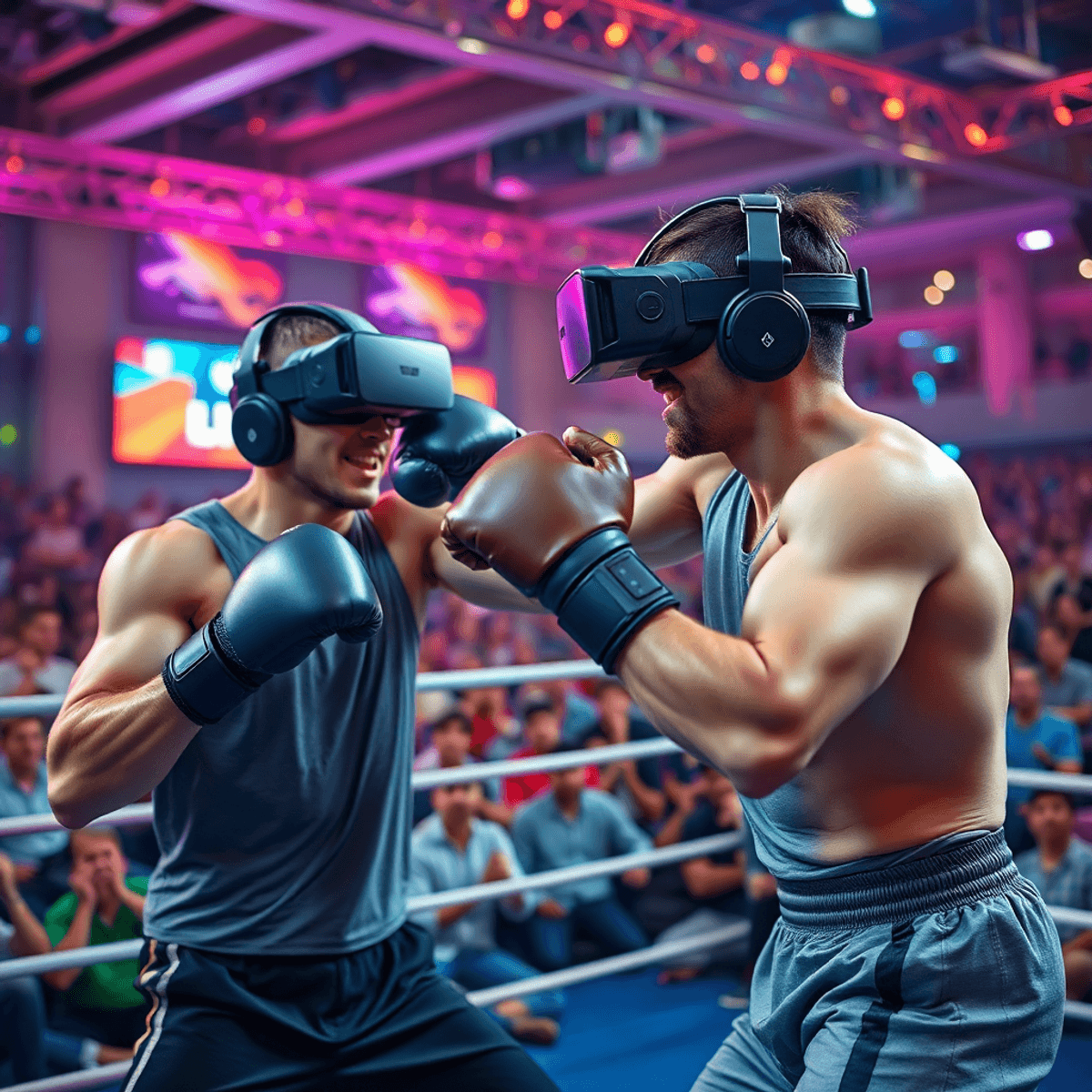
The Thrill of the Fight 2 has redefined what VR esports can be by transforming a virtual boxing game into a live spectator event. Unlike traditional esports where players sit behind screens, this VR boxing title demands physical movement—players throw real punches and dodge in actual space, creating an intense and immersive esports experience.
This shift introduces a unique element of physicality rarely seen in competitive gaming. Watching competitors move and fight in real time adds excitement for audiences who can connect instantly with the action. The visceral nature of VR boxing makes it easy to understand and thrilling to watch.
VR arcades stand to gain significantly by embracing this trend. Hosting events featuring The Thrill of the Fight 2 offers a fresh way to attract both players eager for high-energy competition and spectators craving interactive entertainment. These live events can turn virtual contests into tangible experiences, building community and drawing larger crowds.
Key points about this evolving phenomenon include:
This marks a new chapter in VR esports—a move toward more dynamic, physically immersive competitions that invite players and audiences alike to participate in the excitement.
VR boxing match live events bring a level of physical engagement rarely seen in traditional esports. Instead of sitting passively behind a screen, players throw real punches and move within actual space. This movement creates a dynamic spectacle that resonates with both participants and spectators alike.
Physicality elevates the experience in several key ways:
At live events featuring The Thrill of the Fight 2, this physicality translates directly into an immersive esports experience. The audience is not just watching avatars on a screen; they are observing athletes engage in real-time combat that requires stamina, strategy, and reflexes.
“When the punches started flying you could feel the crowd react to every hit,” said Clinton Sparks, founder of the Global Gaming League. The crowd’s energy mirrors that of traditional sports venues — cheers erupt as fighters land blows, gasps follow close calls, and applause rises after knockouts.
Examples from recent events illustrate how VR boxing captivates audiences:
Audience engagement thrives because the action is easy to follow. Unlike many esports where complex controls or camera angles can confuse viewers, VR boxing’s physicality speaks a universal language. It bridges gaps between gamers and non-gamers by showcasing genuine athletic competition inside virtual worlds.
This blend of visceral movement and immersive gameplay marks VR boxing as a standout example within competitive VR gaming. It offers something fresh for esports fans seeking deeper connection beyond button presses — an event where bodies move as much as minds compete.
The Global Gaming League organized an event that changed the game for competitive gaming. It featured a VR boxing match where Misfits Boxing champion Chase DeMoor faced off against podcast host Gillie da Kid. Both fighters entered the virtual ring wearing Meta Quest 3 headsets, combining physical skill with immersive technology in an epic showdown.
The Meta Quest 3 headsets played a crucial role in delivering a seamless and responsive experience. This technology tracked every punch, movement, and defensive maneuver with precision, allowing players to engage fully without lag or disconnection. Spectators could appreciate the fluidity and intensity of the action as the real-time movements translated directly into the virtual environment.
Unlike traditional esports where players remain seated behind screens, DeMoor and Gillie da Kid moved around, dodged, and threw real punches. The physical exertion was evident—both fighters were visibly sweating and breathing hard by the final rounds. This authenticity elevated the excitement for the live audience, who reacted naturally to every landed hit and missed opportunity.
The crowd’s dynamic responses resembled those at a traditional boxing event, cheering loudly for powerful blows and gasping when punches narrowly missed. This atmosphere demonstrated how VR boxing can captivate viewers who might not usually follow esports.
Clinton Sparks, founder of the Global Gaming League, emphasizes transforming competitive gaming into “gaming entertainment.” He believes this approach broadens appeal beyond core gamers by making events more accessible and engaging for general audiences. Sparks notes that VR boxing uniquely fulfills this goal because its physicality is immediately understandable to spectators.
Celebrity team owner Howie Mandel added star power to the occasion, drawing attention from both traditional sports fans and entertainment audiences. His presence underscored how VR esports events like this one can bridge different communities.
This event showcased how combining cutting-edge VR technology with genuine athletic competition creates an exciting spectacle for everyone involved. It proved that games like The Thrill of the Fight 2 can succeed as live esports events when backed by forward-thinking leagues willing to challenge traditional formats.
The Thrill of the Fight 2 sets itself apart through a combination of precise technology and authentic physical engagement, redefining what real punches in VR boxing can look like. This boxing simulation VR game features advanced tracking systems that capture every subtle movement:
Sensors monitor speed, angle, and impact of punches, translating them into the virtual ring with high fidelity.
Players’ head dodges, weaves, and defensive postures are mirrored in real time, creating a realistic spatial awareness.
Blocking and slipping punches require not just timed button presses but actual physical reactions.
This level of detail produces a boxing simulation that feels more like stepping into a real fight than a digital contest.
Pro boxer Chase DeMoor’s experience highlights the demanding physicality embedded in the gameplay. He notes that the intensity rivals an actual workout session:
“You’re moving constantly—throwing punches, ducking, weaving—and by the third round you’re breathing hard and drenched in sweat. It’s not just button mashing; it’s full-body exertion.”
Unlike traditional fighting games relying on controllers or keyboards where players execute combos via button inputs, The Thrill of the Fight 2 requires full-body movement. This leads to:
The physical movement in VR esports demonstrated by this title challenges common perceptions about competitive gaming being sedentary. It also enhances spectator engagement since audiences witness genuine athletic effort alongside strategic gameplay.
Thrill Of The Fight 2 VR Boxing Turned Into Live Spectator Event taps into this immersive gameplay to deliver an experience where both players and viewers connect viscerally with the competition. The authenticity of real punches combined with sophisticated tracking technology elevates this game far beyond typical VR offerings and firmly establishes it within a new wave of physically engaging esports competitions.
VR arcades can tap into the growing excitement around The Thrill of the Fight 2 to design immersive live events that draw crowds and create memorable experiences. Hosting a VR Live Event centered on this VR boxing game opens new avenues for entertainment that combine physical activity with virtual competition, making it a unique offering compared to traditional arcade setups.
Here are some practical strategies for hosting successful VR arcades events:
What makes The Thrill of the Fight 2 stand out in a live setting is its tangible athleticism. Unlike typical esports where players sit behind screens, here competitors physically throw punches, duck, and move in space—actions visible to everyone present. This creates:
Events like these foster community by bringing together players and fans who appreciate both VR technology and physical sportsmanship.
Partnering with well-known figures can elevate VR arcades events from niche gatherings into major attractions:
These partnerships increase credibility, attract diverse audiences, and create buzz that benefits both the arcade venue and the broader VR esports scene.
Hosting The Thrill of the Fight 2 as part of your VR arcades events taps into a compelling mix of immersive technology, physical exertion, and live entertainment. This combination can transform how people perceive competitive gaming—turning it into a visceral spectacle that appeals to players eager for more than just screen-based contests.
Advancements in VR hardware continue to accelerate, driving significant improvements in the future of VR competitive gaming. These innovations are not only enhancing existing titles like The Thrill of the Fight 2 but also opening doors for entirely new sports simulations that could redefine competitive gaming circuits.
Current VR systems have made great strides in tracking player movements with precision. Technologies such as inside-out tracking and advanced sensors capture nuanced gestures, head rotations, and full-body movements with increasing fidelity. This accuracy allows for:
Player immersion benefits from these improvements because the virtual environment reacts seamlessly to real-world inputs, creating an experience that closely mimics actual physical sports.
Boxing has proven that physically engaging VR sports can captivate live audiences and players alike. The same principles can be applied across other disciplines, potentially transforming competitive gaming circuits:
These expansions rely heavily on hardware capable of capturing complex movements while maintaining comfort during extended play sessions.
Several developments hint at what’s coming next for VR esports hardware:
As these technologies mature, they will shift competitive gaming deeper into physical realms. Spectators will watch not just button presses but athletic displays akin to traditional sports. This holistic embodiment raises stakes for players who must combine skill, endurance, and tactical thinking within immersive virtual arenas.
Esports organizers might embrace multi-sport tournaments featuring diverse VR disciplines. Cross-training athletes skilled in several VR sports could emerge, much like decathletes in athletics. This evolution underscores a future where advancements in VR hardware for sports simulations drive entirely new categories of competition that blend digital innovation with human physicality.
VR’s potential as a platform for dynamic live events will expand beyond boxing. The technology is positioned to transform competitive gaming circuits by delivering experiences that are visually spectacular, physically engaging, and emotionally gripping—for players and audiences alike.
The immersive esports experience impact delivered by The Thrill Of The Fight 2 VR Boxing Turned Into Live Spectator Event marks a pivotal moment in the evolution of competitive gaming. This format brings together tangible athleticism and virtual worlds to create something that feels both authentic and thrilling.
You have seen how this format brings together tangible athleticism and virtual worlds to create something that feels both authentic and thrilling.
Embracing games like The Thrill of the Fight 2 means stepping beyond traditional screen-based competition. It offers a fresh vision where physical exertion and real-time movement become central, engaging audiences in ways conventional esports rarely achieve.
VR arcades stand at the forefront of this shift. Hosting live events featuring VR boxing can attract new players curious about the challenge, while captivating spectators with visible, energetic competition. This dual appeal helps venues build a vibrant community and nurture their competitive scenes.
Adopting immersive formats encourages innovation within local gaming ecosystems. It invites collaboration with athletes, influencers, and organizers who share a passion for blending sport with technology. This creates momentum that extends far beyond a single event.
You are invited to explore these innovative formats and consider the lasting potential they hold to reshape how esports connects with players and fans alike. The Thrill of the Fight 2 has demonstrated what happens when virtual reality meets physical competition — an electrifying spectacle that could define the future of competitive gaming entertainment.
‘The Thrill of the Fight 2’ is a VR boxing game that has evolved into a live spectator event, offering a unique immersive esports experience where players engage in real physical boxing movements rather than traditional button inputs. This transition highlights the physicality aspect of VR esports, setting it apart from conventional screen-based competitive gaming.
The physical nature of VR boxing, where players throw real punches and move in actual space, adds excitement and authenticity for both participants and audiences. This tangible athleticism translates into a more immersive and engaging viewing experience during live events featuring games like ‘The Thrill of the Fight 2,’ often resulting in vibrant atmospheres and enthusiastic audience reactions.
A notable event organized by the Global Gaming League showcased Misfits Boxing champion Chase DeMoor competing against podcast host Gillie da Kid using Meta Quest 3 headsets. The advanced VR hardware enabled a highly immersive experience, with league founder Clinton Sparks emphasizing the reimagining of competitive gaming as ‘gaming entertainment,’ blending athleticism with spectator appeal.
‘The Thrill of the Fight 2’ employs advanced tracking technology to accurately capture punches, head movements, and defensive actions, delivering a realistic boxing simulation. Its demanding physicality offers an intense workout for players, contrasting traditional fighting games that rely on button inputs, thereby creating an immersive gameplay experience that resonates with both gamers and athletes.
VR arcades can leverage ‘The Thrill of the Fight 2’ to host exciting live events by showcasing real-time physical competition within virtual environments, attracting both players and spectators. Collaborations with local professional boxers or popular influencers can enhance visibility and credibility, while emphasizing social interaction and entertainment value to draw larger crowds.
Ongoing improvements in virtual reality hardware—such as enhanced tracking accuracy and greater player immersion—are poised to shape future competitive gaming experiences. These advancements may enable expansion beyond boxing into other physically engaging VR sports, broadening the scope of competitive circuits and further integrating tangible athleticism with virtual competition.