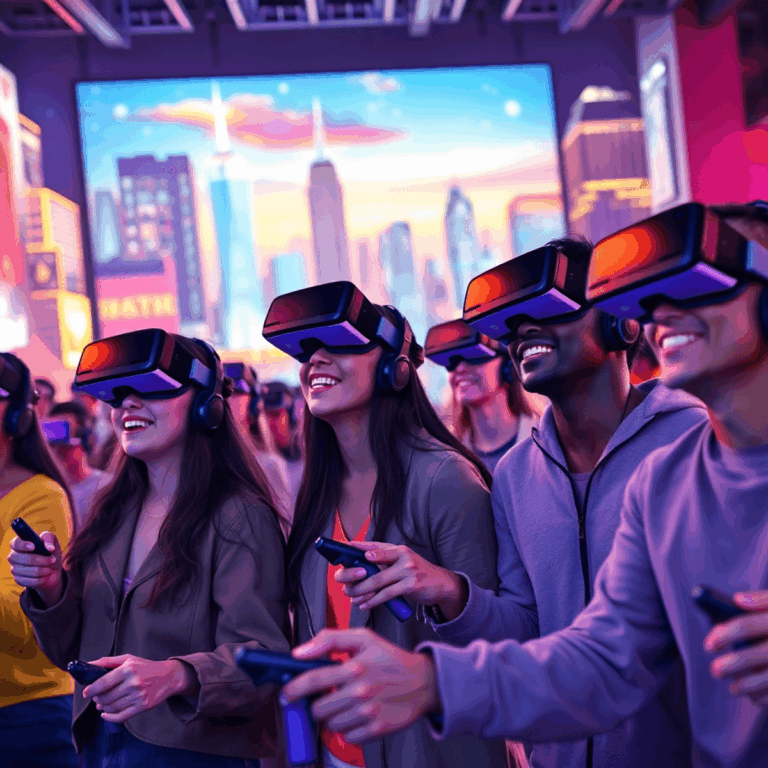
New Mall Arcade in Huntsville: Bigger VR, More Games
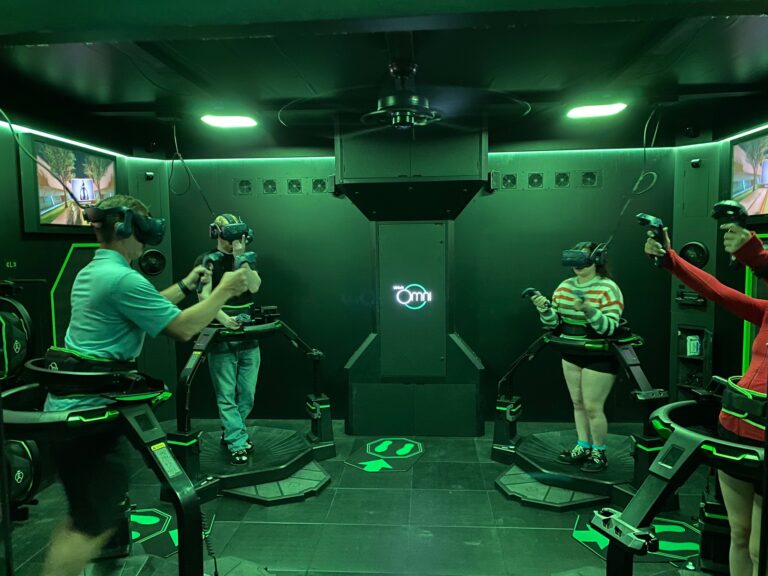
DiVRgence, a virtual reality entertainment center, is moving to Parkway Place Mall in Huntsville. This relocation is a significant upgrade,…
Read more...
extra! the newsletter for operators and immersive venue owners -

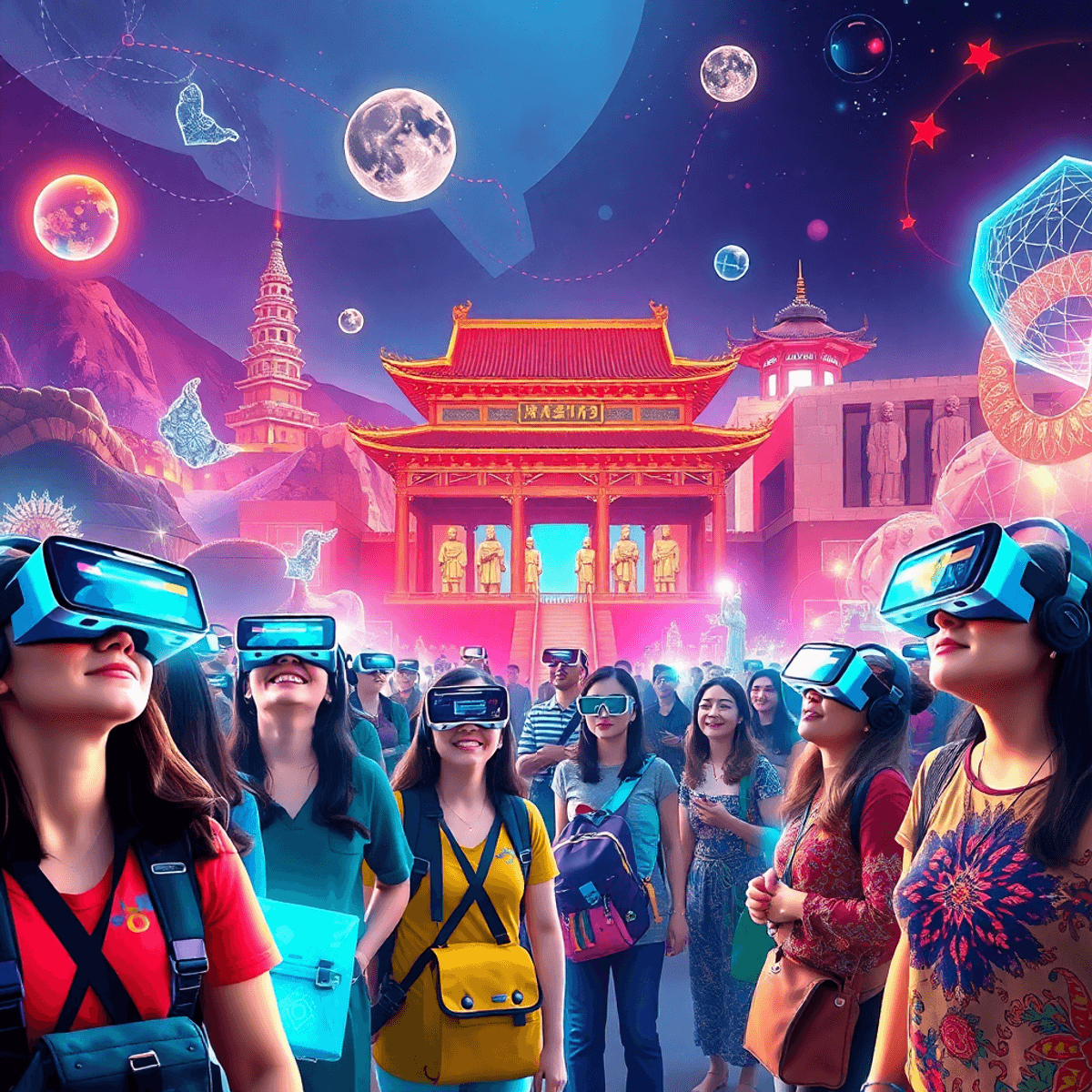
Technologies like artificial intelligence (AI) and virtual reality (VR) are constantly evolving, creating new cultural and tourism experiences that are immersive, interactive, and expansive. These technologies allow for the creation of environments where historical sites, cultural stories, and scientific ideas come to life in ways that go beyond traditional sightseeing.
Key points to consider:
Tech tourism experiences powered by AI and VR are redefining the future of cultural exploration.
AI in tourism and VR goggles in tourism have changed the way we interact with cultural sites. Instead of just passively observing like in traditional tours, these technologies make cultural tourism experiences interactive, allowing us to fully immerse ourselves in history and heritage.
These advancements are evident in various tourist attractions that incorporate immersive technology:
These innovations elevate cultural tourism from sightseeing to active participation, transforming how we connect with culture.
China’s cultural tourism scene is embracing cutting-edge technology through prominent science museums and innovative themed attractions. The Shenzhen Science and Technology Museum stands out with its immersive VR exhibitions that allow visitors, especially young audiences, to explore the universe firsthand. Here, you can don VR goggles and experience space travel scenarios that transform abstract cosmic concepts into vivid, interactive journeys.
The Qingdao Science and Technology Museum offers a different kind of adventure by enabling visitors to become “underwater archaeologists” via AI-powered VR experiences. This blend of technology and education encourages curiosity and engagement, making scientific exploration accessible and entertaining.
Beyond museums, the rise of Mars-themed bases in China introduces a new dimension to tech tourism. These bases simulate astronaut activities, where participants wear space suits and enter mock capsules. They embark on thrilling “space missions” that mimic real-life scenarios faced by astronauts, providing hands-on experiences rarely found elsewhere.
Key features include:
Such initiatives not only enrich cultural tourism but also inspire interest in space science among all age groups. These tech-driven experiences redefine what it means to participate in cultural travel by merging education, entertainment, and immersive technology seamlessly.
The continuous evolution of technologies like artificial intelligence (AI) and virtual reality (VR) is spawning a wealth of new cultural and tourism experiences that are perceptible, interactive, and expansive. Ancient symbols such as the Qin Dynasty’s Terracotta Army gain new life through these advanced tools. You don’t just observe these historical icons; you engage with them.
Tourists benefit from this tech-driven accessibility by gaining deeper insights and emotional connections to traditional culture. This approach shifts cultural tourism from passive viewing to active participation, making history both vivid and relevant in today’s digital age.
China’s smart tourism market is rapidly growing and is expected to exceed 1.4 trillion yuan (approximately 197.6 billion U.S. dollars) by 2025. This growth is driven by the use of advanced technologies in the cultural and tourism industries, which are attracting both domestic and international visitors.
Industrial tourism is also gaining momentum. Although it currently accounts for less than 5% of China’s total tourism revenue, its global average stands between 10 to 15%, signaling significant untapped potential in sectors like aerospace, automotive manufacturing, and high-tech production facilities. This blend of technology and industry opens new avenues for economic growth within cultural tourism.
Gen Z tourism preferences are reshaping how cultural tourism integrates technology. This generation prioritizes interactive and engaging experiences over passive sightseeing. Their motivation often centers on creating social media-worthy moments that stand out online, influencing tech tourism development significantly.
These preferences push tourist destinations to innovate constantly, ensuring that tech-driven cultural sites deliver both education and entertainment tailored for a generation that values connection and creativity.
The economic potential of smart tourism in China is immense, driven by the continuous evolution of technologies like artificial intelligence (AI) and virtual reality (VR). These innovations create cultural and tourism experiences that are perceptible, interactive, and expansive, attracting diverse visitor groups.
Here are some key insights into the economic potential and future outlook for tech tourism in China:
This gap between current market penetration and potential growth signals a robust future for tech tourism as a major economic driver in China’s cultural landscape.
The impact of AI and VR on the tourism industry is significant and rapidly growing. Tourists now expect experiences that prioritize:
Technologies such as artificial intelligence (AI) and virtual reality (VR) are constantly evolving, creating a wide range of new cultural and tourism experiences that are immersive, interactive, and expansive. Instead of simply supporting traditional sightseeing, technology is redefining what cultural travel means. This transformation paves the way for innovative storytelling, education, and entertainment, shaping a vibrant future for cultural tourism around the globe.