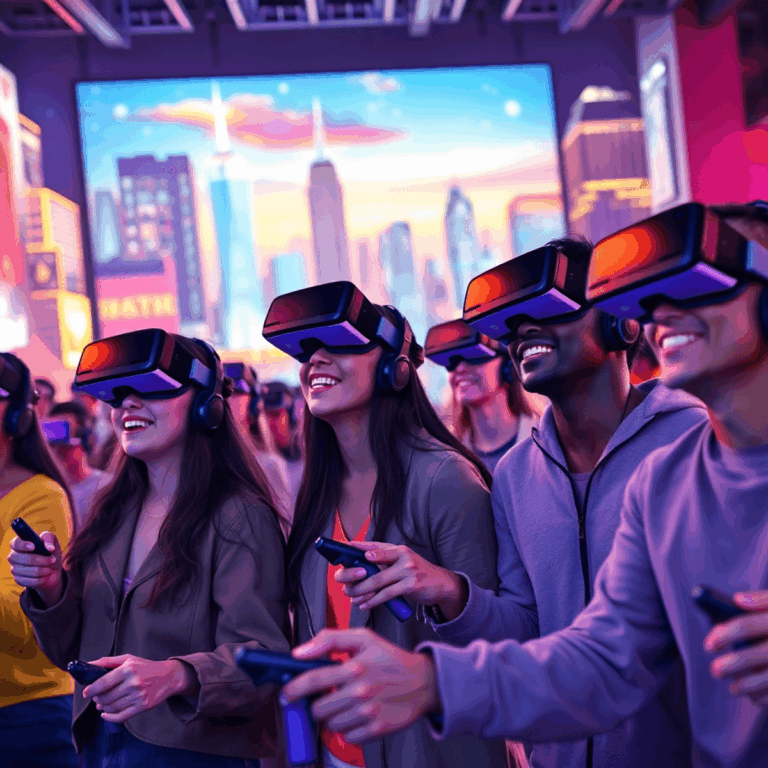
New Mall Arcade in Huntsville: Bigger VR, More Games
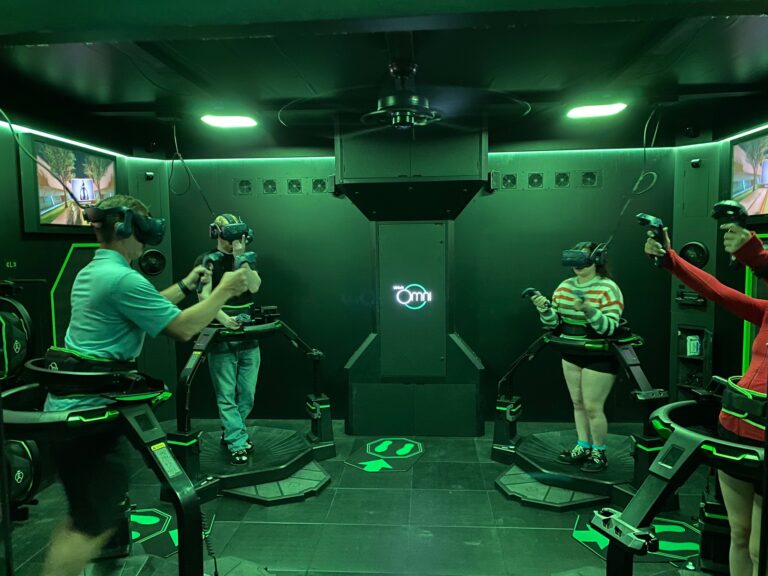
DiVRgence, a virtual reality entertainment center, is moving to Parkway Place Mall in Huntsville. This relocation is a significant upgrade,…
Read more...
extra! the newsletter for operators and immersive venue owners -

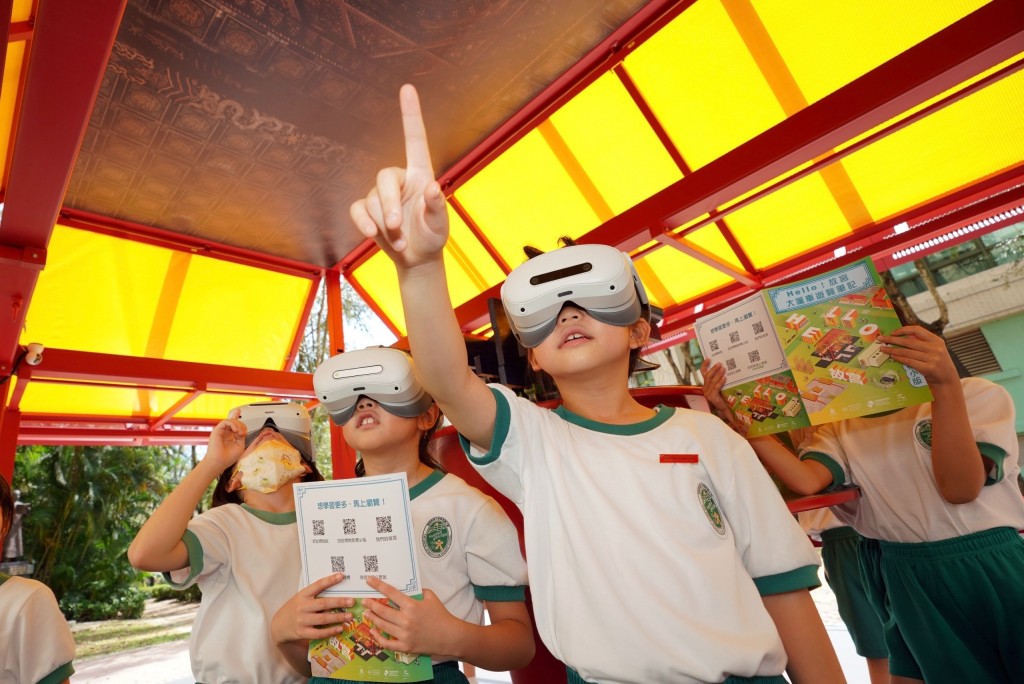
The Palace Museum — School Caravan brings digital culture to students across China through virtual reality, transforming the way Chinese cultural heritage is experienced in education. This innovative initiative uses VR technology to deliver immersive learning experiences that go beyond traditional classroom settings.
Virtual reality education enables students in Hong Kong and Mainland China to step inside the rich history of the Palace Museum, exploring its treasures with a level of engagement impossible through textbooks alone. By interacting with detailed 3D reconstructions and digital exhibits, learners gain a deeper appreciation of China’s cultural legacy.
This initiative exemplifies how Palace Museum digital culture can be used to inspire a new generation, combining cutting-edge technology with ancient traditions. Students do not just observe history—they actively participate in it, making cultural education both accessible and compelling.
This initiative is a collaboration between the Palace Museum, the Academy of Chinese Studies, and the Institute of Philanthropy (IoP). Together, they aim to promote cultural preservation through digital innovation, using virtual reality to make Chinese heritage accessible to younger generations.
This approach addresses a critical need for interactive learning tools that inspire curiosity about Chinese culture while equipping students with skills relevant to today’s digital landscape. The School Caravan embodies a commitment to nurturing creativity, fostering appreciation for cultural roots, and making heritage education immersive and inclusive.
Virtual reality (VR) introduces a new dimension to immersive learning by placing students directly within historical environments. Using VR devices, students can virtually walk through the Palace Museum’s halls or examine artifacts up close, gaining perspectives impossible in typical classroom settings. This hands-on interaction deepens understanding and sparks curiosity about Chinese cultural heritage.
Interactive technologies such as touchscreens and mobile apps complement VR by offering layered information and multimedia content. Students engage actively by navigating digital exhibits, solving quizzes, or manipulating 3D models of traditional objects. These tools transform passive observation into dynamic exploration.
Key benefits of integrating VR in classrooms include:
This blend of VR and interactive technology empowers students to appreciate historical artifacts beyond surface-level facts, fostering a meaningful connection with Chinese culture.
The HELLO! The Palace Museum — School Caravan brings digital culture to students across China through virtual reality by creating immersive, interactive learning environments centered on traditional Chinese architecture and imperial history. Two main components define this innovative educational program:
A custom-designed mobile unit resembling a traditional Chinese architectural structure. This multi-sensory environment invites students to engage with:
Designed with architectural elements inspired by the Palace Museum’s iconic Corner Towers, this zone offers an immersive VR court life simulation module. Students can:
By combining these components, the School Caravan creates a vibrant educational setting where technology meets heritage, allowing students to experience the grandeur of ancient China firsthand through cutting-edge virtual reality tools.
The HELLO! School Caravan goes beyond showcasing artifacts; it actively inspires students to deepen their cultural roots connection. Experiencing Chinese heritage through immersive VR technology transforms abstract history into vivid, personal encounters. This method helps young learners appreciate the nuances of traditional culture while sparking curiosity about their identity.
Creativity thrives when tradition meets technology. The program encourages students to explore artistic concepts embedded in ancient court life and architecture using modern digital tools. This blend nurtures creativity through technology, allowing students not only to observe but also to interact and create, fostering a hands-on understanding of cultural expression.
Interest in both arts and STEM grows from interdisciplinary engagement. By combining VR experiences with interactive touchscreens and mobile apps, the caravan bridges creative arts education with technological innovation. Students develop skills relevant to multiple fields:
This approach cultivates a well-rounded appreciation for culture and innovation, equipping students with knowledge that spans artistic sensitivity and technical expertise. The School Caravan’s immersive environment motivates learners to connect emotionally with Chinese heritage while stimulating intellectual growth in diverse academic areas.
The success of HELLO! The Palace Museum — School Caravan owes much to strong government support, philanthropic sponsorships, and active cultural advocacy. Rosanna Law, HKSAR Government Secretary for Culture, Sports and Tourism, has publicly endorsed the initiative, recognizing its role in enriching cultural education through innovative technology. Such high-level backing ensures the program aligns with broader cultural development goals in Hong Kong and Mainland China.
Philanthropic contributions, particularly from The Hong Kong Jockey Club Charities Trust, provide essential funding that sustains the School Caravan’s outreach efforts. These sponsorships enable the deployment of advanced VR devices and interactive exhibits, creating a high-quality educational experience accessible to a wide range of schools.
The model demonstrated by this initiative holds significant promise for global expansion. Other regions could adopt similar frameworks to bridge the gap between traditional culture and modern technology within their education systems. This approach promotes a more engaging way for students to learn about heritage while fostering skills relevant to today’s digital world.
Key factors supporting scalability include:
This blend of advocacy and innovation positions the School Caravan as a blueprint for future educational projects worldwide.
The HELLO! The Palace Museum — School Caravan is bringing digital culture to students all over China with the help of virtual reality. This groundbreaking initiative is setting a new standard for immersive education, making learning more interactive and enjoyable. With VR technology, students can now actively engage with Chinese heritage like never before.
This project is redefining the way we teach about culture by:
By preserving heritage digitally, we can ensure that cultural treasures are not only protected but also revitalized within educational settings. This opens up new possibilities for schools around the world to celebrate diverse heritages using similar digital tools.
It’s crucial to empower students so they can actively participate in their cultural legacies. One way to achieve this is by supporting or implementing VR-driven cultural programs. These initiatives will help keep history alive, relevant, and inspiring for future generations.
Embrace this approach today and be part of the shift towards innovative learning!