New Mall Arcade in Huntsville: Bigger VR, More Games
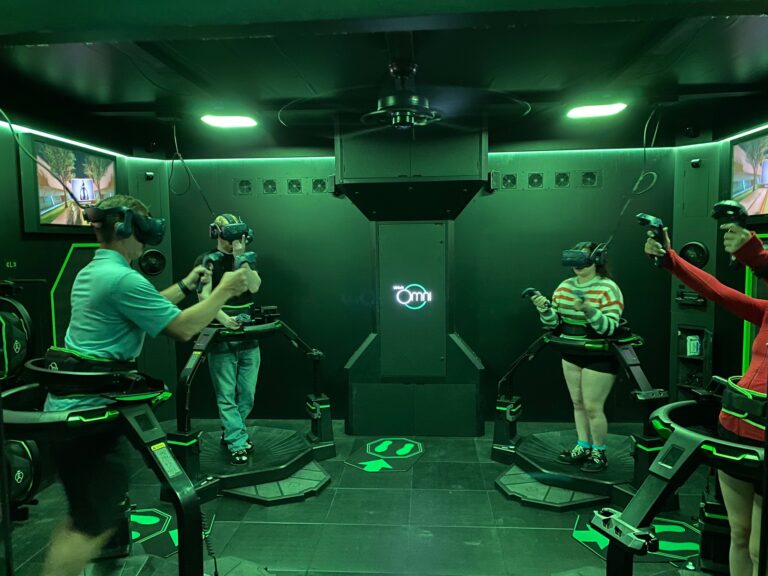
DiVRgence, a virtual reality entertainment center, is moving to Parkway Place Mall in Huntsville. This relocation is a significant upgrade,…
Read more...
extra! the newsletter for operators and immersive venue owners -

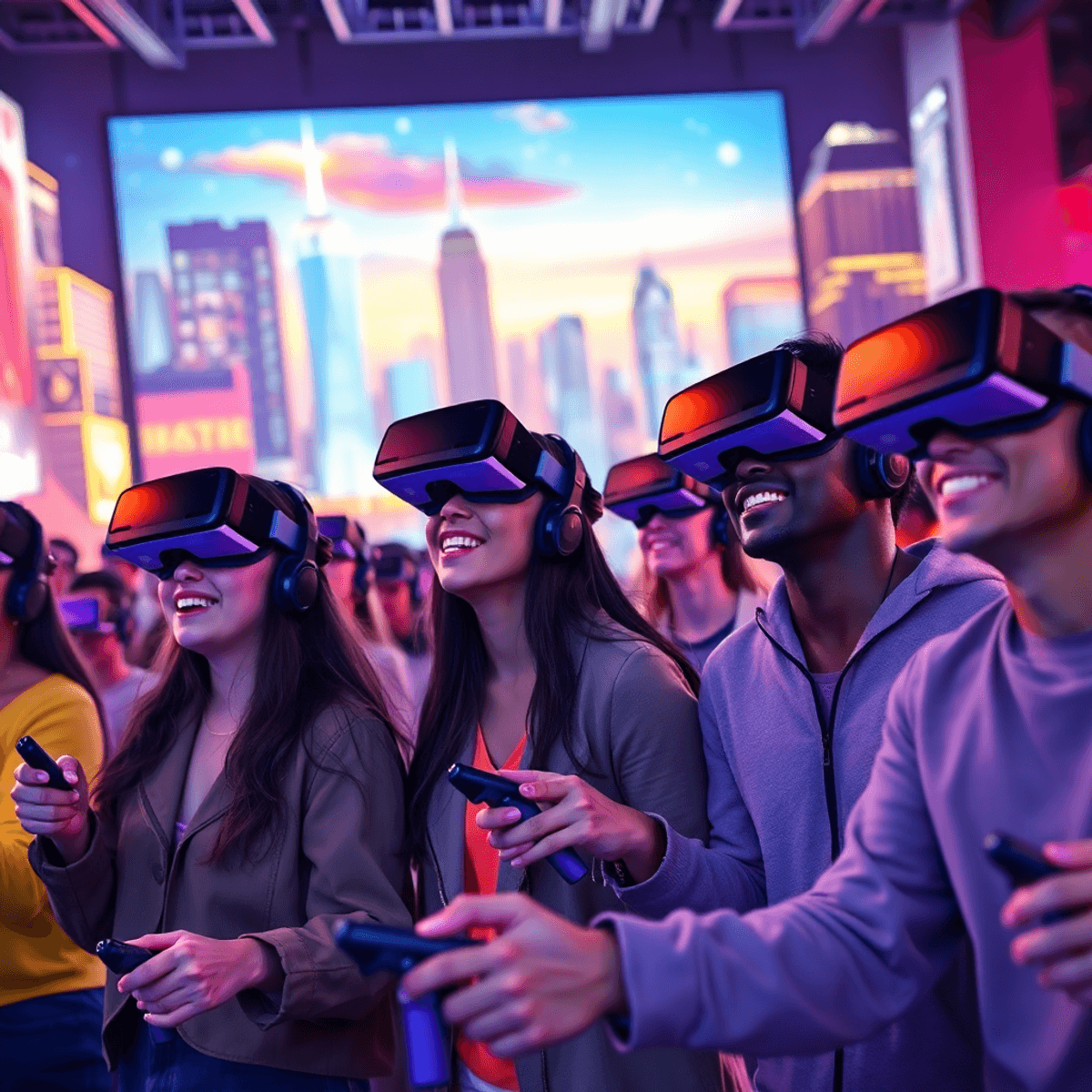
Virtual reality arcades have surged as a dynamic new wave within the entertainment industry. These venues offer immersive, interactive experiences that go beyond traditional gaming or movie theaters. For entrepreneurs eyeing opportunities in experiential entertainment, VR arcades represent a compelling avenue for growth.
Expanding a VR arcade to a new city involves more than just copying a business model—it requires careful planning, operational excellence, and a deep understanding of local markets. The journey of Tidal Force VR exemplifies this entrepreneurial growth. Starting with their flagship location in New York City’s Manhattan district, they have crafted a unique social destination grounded in free-roam multiplayer gameplay and immersive storytelling.
Tidal Force VR’s expansion to Philadelphia marks a significant milestone. This move highlights key considerations entrepreneurs must evaluate when scaling an experiential brand: market selection, adaptation of core offerings, logistical challenges, and community engagement strategies. Their story provides valuable insights into how a VR arcade can successfully transition from one urban landscape to another while maintaining the essence that made it thrive initially.
This article will dissect Tidal Force VR’s approach to VR arcade expansion, offering practical lessons for entrepreneurs aiming to navigate similar ventures in the rapidly evolving world of location-based virtual reality entertainment.
Tidal Force VR’s flagship location sits at 166 5th Ave, Manhattan, strategically positioned for easy access. The site is just a short walk from multiple major subway lines including the N, R, W, 4, 5, and 6 trains. This connectivity makes it convenient for commuters, tourists, and locals alike to visit without hassle. Accessibility plays a crucial role in attracting a steady flow of diverse customers looking for cutting-edge entertainment.
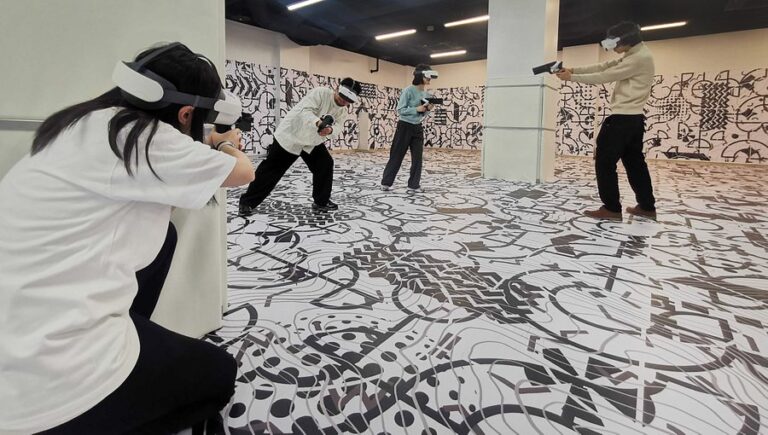
The core strength of Tidal Force VR lies in its commitment to in-house VR game development. Designing and building all experiences internally allows the company to maintain full creative control and tailor gameplay specifically for their venue. This approach results in custom multiplayer games that are fully immersive and support free-roam, walk-the-room mechanics — features not commonly found in traditional VR arcades. The ability to physically move within the virtual space enhances realism and engagement, setting Tidal Force apart from competitors who rely on off-the-shelf titles.
Team-based gameplay forms the backbone of the social experience at Tidal Force VR. Players cooperate, compete, and communicate in real time while sharing physical space. This encourages interaction not just between players but also among groups of friends, families, coworkers, and event attendees. The combination of physical activity with collaborative objectives creates a dynamic environment where social connection is as important as the gaming itself.
Pricing reflects an understanding of different customer needs:
This pricing structure balances accessibility with value. It invites casual visitors while also accommodating enthusiasts who want longer sessions to fully dive into the storytelling and challenges presented by Tidal Force’s original games.
Physical space design complements the gameplay style by supporting groups from 2 up to 6 players comfortably within each session. Larger groups can be managed through special arrangements, catering to corporate events or birthday parties seeking memorable interactive entertainment.
Tidal Force’s Manhattan VR arcade demonstrates how combining prime location access with proprietary immersive multiplayer content can build a thriving destination for virtual reality entertainment that appeals across demographics.
Tidal Force VR’s decision to expand into Philadelphia was based on a thorough analysis of the new city market, taking into account several key factors:
Philadelphia’s densely populated urban area provides a concentrated audience, which is crucial for location-based entertainment. The city has a significant number of students from universities such as the University of Pennsylvania and Temple University, creating a steady stream of young adults seeking out innovative social experiences. Additionally, tourists contribute to the demand by often looking for unique activities beyond traditional sightseeing.
The nightlife and entertainment scene in Philadelphia has an opportunity for interactive alternatives. While bars, theaters, and concerts are popular, there is a lack of engaging group activities that combine physical movement with technology. This is where VR arcades come in, offering immersive multiplayer experiences that cater to families, friend groups, and corporate teams searching for new ways to bond.
Selecting Center City as the location aligns with our business goals: high foot traffic, easy access through public transportation, and closeness to business areas and cultural attractions. This choice maximizes visibility and convenience for various customer groups—students after classes, tourists exploring downtown, and professionals seeking team-building outings within walking distance of their workplaces.
Tidal Force VR’s expansion into Philadelphia aims to capitalize on these market advantages by introducing a shared virtual reality environment that sets itself apart from other entertainment options in the area. The decision-making process involved carefully considering both demographic opportunities and strategic site benefits in order to replicate the success achieved in Manhattan’s competitive landscape.
Expanding a location-based free-roam VR arcade into a new city requires careful adaptation of the existing business model to maintain what makes the original successful while addressing local market nuances.
Tidal Force VR’s strength lies in its free-roam multiplayer gameplay and immersive storytelling. These elements define the brand and customer experience. Replicating them in Philadelphia means:
The challenge is scaling these core features without diluting quality. The Philadelphia location benefits from lessons learned in Manhattan about space optimization, hardware deployment, and user flow management.
Philadelphia’s diverse clientele demands flexible options beyond standard gameplay. Tidal Force VR adapts by enhancing customization capabilities:
This flexibility attracts a wider audience, from startups seeking innovative outings to families celebrating milestones, positioning Tidal Force as more than just an arcade but a full-service event partner.
Center City Philadelphia’s bustling corporate environment creates high demand for group entertainment solutions. Efficient logistics become paramount:
Balancing operational efficiency with customer experience ensures high repeat rates and positive word-of-mouth within Philly’s competitive event marketplace.
This approach to adapting Tidal Force VR’s business model balances continuity with innovation—preserving what makes its social multiplayer virtual reality experiences stand out while embracing the unique demands of expanding into a vibrant new city like Philadelphia.
Tidal Force VR offers a wide range of game genres designed to provide shared immersive enjoyment at both Manhattan and Philadelphia locations. This variety keeps the experience exciting and encourages repeat visits from a diverse group of players. The main genres include:
The design philosophy focuses on story-driven content that keeps players engaged throughout sessions lasting up to 40 minutes. Instead of quick bursts of gameplay, these experiences encourage players to fully immerse themselves in an evolving narrative, making each moment significant and unforgettable.
Balancing competitive play with cooperative teamwork is essential for appealing to different player preferences:
This dynamic mix promotes rich social interaction within groups. Whether friends, families, or coworkers, players connect through shared victories and challenges—building bonds that extend beyond the VR headset.
By continually refining this balance and offering varied gameplay styles, Tidal Force VR ensures every visitor finds something that resonates with their preferred way to play while maintaining the core appeal of physical movement and immersive storytelling.
Tidal Force VR approaches social VR destination marketing in Philadelphia by building on the strong brand reputation established in Manhattan. The key lies in customizing messaging and outreach to resonate with Philadelphia’s unique local culture and demographics, rather than simply replicating New York campaigns. This tailored approach helps foster a genuine connection with the community, making the new location feel like a natural fit.
Partnering with established local entities accelerates visibility and credibility. Tidal Force VR actively seeks partnerships in sectors aligned with its audience:
These partnerships not only extend reach but also demonstrate community integration — critical for attracting repeat visitors who value authentic local engagement.
The marketing strategy addresses multiple demographic segments:
Marketing channels include email newsletters featuring exclusive offers, influencer-generated content showcasing real group experiences, and community forums promoting upcoming events or seasonal game launches.
By combining proven brand strengths with local event partnerships Philadelphia trusts, Tidal Force VR ensures a compelling presence that invites diverse groups to experience shared virtual adventures.
Expanding a VR arcade to a new city presents distinct operational challenges VR arcade expansion efforts must address. Replicating an experiential business model like Tidal Force VR’s involves more than just opening a new location; it demands careful attention to logistics, technology setup, and maintaining the immersive quality customers expect.
Key operational challenges include:
Tidal Force VR’s approach to overcoming these obstacles focused on several strategic initiatives:
Instead of relying solely on standard training manuals, Tidal Force developed location-specific programs for Philadelphia’s staff. These programs emphasized:
Training extends beyond initial onboarding; ongoing skill refreshers ensure staff remain adept at delivering consistent experiences despite evolving game updates or operational changes.
Close collaboration between Manhattan-based developers and Philadelphia installation teams smoothed technology setup:
This hands-on involvement reduced setup errors and accelerated readiness for launch.
Tidal Force partnered with trusted local vendors familiar with tech-heavy entertainment setups, enabling:
These partnerships minimized common expansion pitfalls related to vendor management in unfamiliar markets.
Entrepreneurs looking at VR arcade expanding to new city should consider:
Addressing these challenges proactively ensures immersive entertainment offerings maintain their quality when scaling operations into new urban environments like Philadelphia.
Tidal Force VR’s move from Manhattan to Philadelphia serves as a strategic blueprint for future VR arcade expansions. The lessons learned in adapting to a new city—understanding local demographics, leveraging community partnerships, and refining operational logistics—form the foundation for targeting emerging markets where immersive entertainment innovation is still in its infancy.
A bustling metropolis with a strong cultural scene, Chicago offers an ideal environment for location-based VR experiences. Its broad student population, corporate sector, and tourism industry suggest high demand. Currently, few established VR arcades create an opportunity for Tidal Force VR to introduce its signature free-roam multiplayer gameplay.
Known for vibrant nightlife and diverse communities, Miami represents another promising market. The city’s entertainment preferences lean toward interactive and social experiences, making it a fertile ground for Tidal Force’s team-based immersive adventures.
These cities share characteristics that align with Tidal Force’s business model: dense urban populations, active social scenes, and limited direct competition in the multiplayer VR arcade space.
Tidal Force VR emphasizes ongoing research and development to push the boundaries of what’s possible in multiplayer virtual reality gaming. Innovation focuses on several key areas:
By investing in these areas, Tidal Force not only maintains a competitive edge but also elevates player expectations for shared VR entertainment.
The company envisions expanding its footprint while simultaneously redefining how immersive entertainment fits into everyday social activities. This includes exploring partnerships beyond traditional arcade settings—such as pop-up experiences at festivals or collaborations with museums—to reach wider audiences.
Growth plans are rooted in authenticity; ensuring every new venue reflects Tidal Force’s commitment to high-quality storytelling, physical engagement, and social connectivity. This approach mitigates risks common in rapid expansion by preserving the brand’s unique identity across multiple locations.
This forward-looking strategy positions Tidal Force VR not just as an entertainment provider but as an innovator shaping the future landscape of location-based multiplayer virtual reality gaming.
Starting a location-based multiplayer VR arcade can be a great opportunity for success in the VR industry. The story of Tidal Force VR, which expanded from Manhattan to Philadelphia, highlights important factors that contribute to success in this growing field.
Here are some key lessons for anyone looking to start or grow a VR arcade business:
As an entrepreneur, it’s important to focus on creating experiences that are not only profitable but also sustainable and memorable. When expanding into new cities like Philadelphia, be flexible while still staying true to your brand’s identity.
Success in the VR arcade industry requires a combination of strategic thinking and creativity. By studying successful expansion strategies like Tidal Force VR’s, you can create businesses that appeal to a wide range of audiences and have lasting impact.
Tidal Force VR identified Philadelphia as an attractive market for expansion due to its dense population, significant student demographic, and vibrant tourist activity. The city’s entertainment landscape showed unmet demand for interactive nightlife alternatives like VR arcades, making Center City Philadelphia the ideal location for their second branch.
Tidal Force VR sets itself apart through in-house development of custom, immersive multiplayer and free-roam VR games that emphasize physical movement and team-based gameplay. This unique combination creates a social VR destination experience that appeals to diverse customers seeking engaging and interactive entertainment.
While maintaining core elements such as free-roam multiplayer gameplay and immersive storytelling, Tidal Force VR customized offerings to include private and corporate event opportunities with branding integration tailored to local clientele. They also focused on logistical planning to accommodate large groups and efficiently manage bookings in cities with vibrant corporate scenes like Philadelphia.
Tidal Force VR offers a variety of game genres including cooperative shooters and escape-room-style missions designed for shared immersive fun. Their story-driven content enhances engagement during longer sessions, balancing competitive play with cooperative teamwork to cater to varied player preferences and promote social interaction within groups.
Tidal Force leverages its established brand reputation from Manhattan while tailoring marketing efforts specifically towards the local community in Philadelphia. They collaborate with local businesses and event organizers to boost visibility among target audiences such as families and coworkers who are likely to enjoy their social VR destination offerings together.
Common challenges include replicating an experiential business model across cities involving logistics and technology setup. Tidal Force addressed these by implementing specialized staff training programs tailored for their second location, ensuring consistent high-quality immersive experiences despite operational complexities inherent in expanding location-based free-roam VR arcades.