New Mall Arcade in Huntsville: Bigger VR, More Games
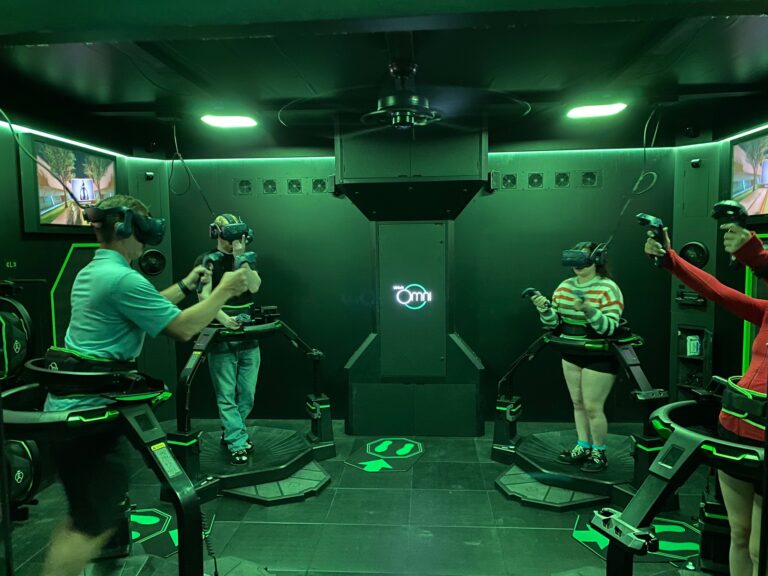
DiVRgence, a virtual reality entertainment center, is moving to Parkway Place Mall in Huntsville. This relocation is a significant upgrade,…
Read more...
extra! the newsletter for operators and immersive venue owners -

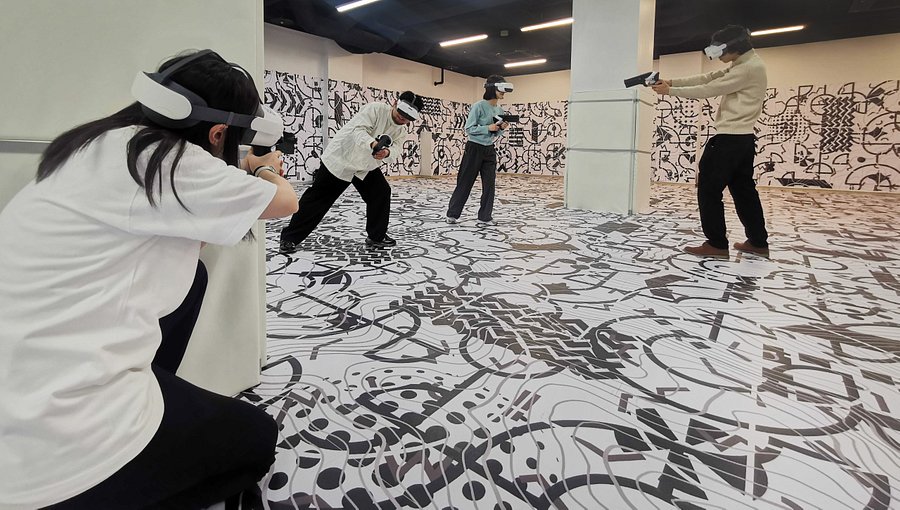
Zoos have always been places where families and individuals can connect with wildlife. However, to attract younger audiences, zoos need to be more innovative than just relying on traditional exhibits. One way to do this is by incorporating free-roam virtual reality (VR) experiences into their offerings. This new approach combines education, entertainment, and physical activity in a way that is engaging for visitors. By using technology to enhance the natural experience, zoos can stay relevant in a world that is becoming increasingly digital.
Tobu Zoo in Saitama Prefecture is leading the way with this strategy by introducing its permanent VR facility called VR BASE TOKYO. Set to open on March 28th, 2026, this groundbreaking attraction will feature various VR content options, including an exciting large-scale free-roam PvP (player versus player) shooting game. What sets this experience apart is that visitors will have the ability to physically move around within the virtual environment, allowing for dynamic interactions and truly immersive gameplay.
In this article, we will use VR BASE TOKYO as a case study to explore how free-roam VR technology is transforming zoo attractions. We will examine how the integration of cutting-edge digital entertainment into zoo settings creates new opportunities to engage tech-savvy visitors and broaden the scope of traditional wildlife education.
Tobu Zoo celebrated its 45th anniversary, marking a significant milestone in its journey of wildlife education and entertainment. To celebrate this special occasion, the zoo decided to upgrade its existing VR attraction, replacing HEAD ROCK VR with the brand new VR BASE TOKYO. This decision reflects a larger trend among zoos to incorporate location-based entertainment that resonates with today’s tech-savvy visitors.
The original HEAD ROCK VR provided immersive experiences but had limitations such as fixed setups and less interactive gameplay. With the introduction of VR BASE TOKYO, Tobu Zoo is now embracing large-scale free-roam VR technology. This means that visitors can physically move around within virtual environments, enhancing their overall experience.
This evolution is particularly appealing to younger audiences who are seeking dynamic and participatory experiences. By combining physical activity with digital immersion, Tobu Zoo aims to attract this demographic and create memorable moments for all its visitors.
Behind this transformation is Dynamo Amusement Co., Ltd., a company with 25 years of expertise in developing XR-based attractions. Their role goes beyond just providing technology; they also design content and systems specifically tailored to create compelling, safe, and scalable experiences for various venues such as zoos and amusement parks.
Dynamo’s deep industry knowledge ensures that VR BASE TOKYO not only entertains but also seamlessly integrates into the zoo’s environment. This collaboration between Tobu Zoo and Dynamo demonstrates the importance of working with experts who understand both the entertainment industry and the unique challenges faced by zoos.
Zoos are constantly facing challenges in maintaining visitor interest, especially with evolving entertainment trends. Static exhibits alone often struggle to captivate repeat visitors or younger demographics who are accustomed to interactive media.
By incorporating cutting-edge free-roam VR technology into their attractions, zoos like Tobu can take a proactive approach in addressing these challenges. Here are some ways in which this innovation can benefit zoos:
This continuous innovation is crucial for zoos that want to stay relevant and competitive as destinations combining education with entertainment in meaningful ways.
Tobu Zoo’s decision to upgrade its VR attraction as part of its anniversary project serves as an example of how established institutions can successfully leverage advanced technologies like free-roam VR.
By doing so, they can broaden their appeal without compromising their core mission of wildlife education and conservation. This approach not only attracts new visitors but also reinforces the importance of zoos in promoting awareness about endangered species and environmental issues.
In conclusion, the evolution of zoo attractions towards embracing free-roam VR technology signifies a shift in how these institutions engage with their audience. By staying attuned to current trends and incorporating innovative solutions, zoos can continue fulfilling their purpose while adapting to the changing preferences of modern-day visitors.
Free roam VR technology transforms traditional virtual reality experiences by allowing users to physically move around within a large-scale VR space. Unlike stationary VR setups where players remain seated or confined to a limited area, free-roam VR encourages active exploration and interaction. This freedom of movement enhances immersion, making the virtual world feel more tangible and engaging.
Allowing visitors to physically walk around while engaging with virtual content delivers several benefits:
Zoos benefit from free-roam VR by enriching their educational mission with dynamic experiences. Visitors do not just observe animals; they interact with virtual worlds that spark curiosity and excitement. This approach complements traditional exhibits by offering:
Free roam VR unlocks new possibilities for zoos aiming to connect with younger audiences. It blends technology and education into an entertaining format that invites repeat visits and active participation. These immersive experiences evolve how people perceive zoos—not merely as places to see animals but as hubs of adventure and learning powered by innovation.
Tobu Zoo’s permanent VR facility, VR BASE TOKYO, opens on March 28th with a focus on delivering a variety of immersive experiences. At the heart of the facility lies a large-scale free-roam VR shooting game designed for PvP gameplay that encourages players to engage in fast-paced, competitive multiplayer VR battles. This main attraction allows participants to physically move throughout the virtual arena, creating an active and social gaming environment unlike traditional VR experiences that keep players stationary.
Additional attractions within VR BASE TOKYO expand the appeal beyond competitive shooters:
These options reflect a strategic mix designed to cater to different age groups and interests during family or group visits. By providing multiple types of content—from intense PvP shooter matches to light-hearted interactive games—VR BASE TOKYO ensures there is something engaging for everyone.
Offering this diverse content portfolio helps attract broader demographics, from tech-savvy youth who thrive on multiplayer competition to families seeking shared entertainment experiences. It also encourages repeat visits since guests can explore different games and activities each time, increasing overall visitor satisfaction and dwell time within the zoo’s entertainment zone.
Integrating free-roam VR attractions into a zoo setting offers distinct advantages, especially when it comes to engaging younger patrons who are increasingly drawn to interactive digital experiences. Traditional zoo exhibits provide educational and visual appeal but can sometimes struggle to capture the sustained interest of tech-savvy youth accustomed to immersive gaming environments.
Zoos incorporating free-roam VR create multi-dimensional experiences that appeal across generations, keeping pace with evolving recreational trends while preserving their core mission of wildlife education. This strategic enhancement supports sustainable growth by broadening visitor demographics and fostering deeper engagement throughout the visit.
Integrating a large-scale free-roam VR attraction into an existing zoo environment requires careful planning and operational foresight. The goal is to blend cutting-edge location-based entertainment setup with the natural flow of zoo visitors while maintaining safety and smooth operations.
Free-roam VR demands a sizable, obstacle-free area where participants can move freely without risk. Zoos must identify or redesign spaces that accommodate this requirement without disrupting animal habitats or visitor pathways.
Some areas may need reinforcement or adaptation to support VR equipment, such as mounting sensors, installing tracking systems, and wiring for power and data. These modifications should preserve the zoo’s aesthetic and environmental standards.
The VR facility should be positioned strategically to encourage foot traffic but prevent congestion near animal exhibits. Clear signage and separate entry/exit points help maintain smooth circulation between the VR zone and traditional zoo areas.
Running a location-based entertainment setup involves specialized knowledge. Staff must be trained in VR hardware operation, troubleshooting, sanitization procedures, and guest assistance to ensure seamless user experiences.
Since players physically move within the VR environment, it is crucial to implement barriers or virtual boundaries that prevent collisions with physical objects or other visitors. Soft flooring materials may reduce injury risk in case of falls.
Visitors should receive clear instructions regarding proper use of VR gear, movement restrictions, and emergency procedures. This briefing minimizes confusion and reduces accidents during gameplay.
Having trained staff monitor sessions ensures immediate intervention if safety concerns arise. Staff can also assist visitors unfamiliar with VR technology, enhancing comfort levels.
Sharing headsets requires strict cleaning protocols between uses. Use of disposable face covers or personal equipment can improve hygiene standards in a public setting.
Consider ways to include guests with different mobility levels by providing alternative experience modes or adjustable gameplay settings.
Implementing free-roam VR facilities demands a balance between immersive entertainment and practical limitations of zoo environments. Thoughtful design paired with robust operational management ensures that visitors enjoy engaging content safely while preserving the integrity of the zoo experience.
The pop-up VR store at Tokyo Tower was an important step in testing and promoting Tobu Zoo’s VR initiatives before the permanent launch of VR BASE TOKYO on March 28th, 2026. This temporary store operated from January to April 2025 and attracted around 20,000 visitors, showing a strong public interest in immersive free-roam VR experiences in urban areas.
Building on this success, plans are underway for national expansion with a strategic focus on regional markets. The first permanent store outside the zoo environment is set to open in Fukuoka in December 2025. This move aims to:
The Fukuoka store will feature similar content offerings as VR BASE TOKYO, including the signature large-scale free-roam shooting game alongside other interactive experiences like “VR Saba Spo INFINITY” and “Ultra Reverse Bungee.” This expansion reflects confidence in the format’s appeal and its potential to enhance interactive entertainment landscapes nationwide.
By using insights from the Tokyo Tower pop-up and expanding through regional permanent locations, Tobu Zoo and its partners are positioning themselves as leaders in integrating immersive XR technologies into various visitor environments.
Tobu Zoo’s permanent VR facility “VR BASE TOKYO” opens on March 28th, offering multiple content options including a large-scale free-roam VR shooting game. This marks a significant step in integrating immersive XR experiences within traditional zoo environments.
Zoo operators aiming to stay relevant with younger audiences should consider:
Incorporating these advancements is not just about keeping pace with entertainment trends; it’s about future-proofing zoos by creating culturally relevant spaces that resonate with tech-savvy generations. Tobu Zoo’s bold move with VR BASE TOKYO demonstrates how immersive VR can expand the traditional boundaries of zoo attractions, setting a new standard for interactive education and fun.
Exploring free-roam VR and similar XR solutions opens doors for zoos everywhere to evolve into dynamic destinations where technology and nature coexist seamlessly—inviting visitors to discover wildlife through cutting-edge play.
VR BASE TOKYO is Tobu Zoo’s permanent virtual reality (VR) facility that opened on March 28th. It offers multiple immersive content experiences, including a large-scale free-roam VR shooting game, designed to engage visitors with cutting-edge technology.
Free-roam VR allows visitors to physically walk around within a large-scale virtual space, creating dynamic and memorable immersive experiences. This technology differs from traditional stationary VR setups by enabling active movement, which complements educational zoo visits and appeals especially to younger audiences.
VR BASE TOKYO offers a variety of content including a competitive large-scale free-roam PvP shooting game, multiplayer VR experiences, and new features like ‘VR Saba Spo INFINITY,’ ‘Ultra Reverse Bungee,’ and ‘VAR BOX.’ These offerings cater to different age groups and interests, making it suitable for families and groups.
Incorporating cutting-edge free-roam VR attractions revitalizes traditional zoo offerings by engaging tech-savvy youth audiences, increasing visitor numbers, and encouraging longer stays. This blend of interactive digital entertainment alongside animal exhibits helps zoos remain culturally relevant and competitive.
Zoos need to consider location-based entertainment setup within existing infrastructure, ensure robust operational management, implement safety measures, and provide clear guidelines for visitors navigating physical spaces during immersive gameplay to guarantee a safe and enjoyable experience.
Yes. Following the successful temporary pop-up VR store at Tokyo Tower attracting approximately 20,000 visitors between January and April 2025, there are plans for national expansion. The first permanent store outside Tobu Zoo is scheduled to open in Fukuoka in December 2025, enhancing the brand’s presence nationwide.