Univrse Brings Black Mirror VR to Montreal—May 2026

Bob Cooney’s Take – I’ve been waiting to talk about this for over a year. This is the first…
Read more...
extra! the newsletter for operators and immersive venue owners -

The British Museum is one of the world’s leading museums, known for its extensive collection of art and ancient artifacts. Among its most famous and controversial exhibits are the Parthenon Marbles, a group of classical Greek marble sculptures that were originally part of the Parthenon temple in Athens. These marbles were taken by Lord Elgin in the early 19th century and have since become the subject of a long-standing cultural dispute between Greece and the United Kingdom.
The upcoming return of these iconic sculptures to Greece raises important questions about how the British Museum will adapt once this chapter comes to an end. In response to this, the Institute of Digital Archaeology (IDA) has created an innovative virtual reality (VR) program that digitally recreates what the museum’s Duveen Gallery will look like after the marbles have been removed.
This VR experience offers both on-site visitors and remote audiences the opportunity to explore a reimagined gallery space, providing a preview of the museum’s future without these renowned artifacts.
Key points about this VR initiative include:
This introduction sets the stage for exploring how technology intersects with cultural heritage and museum practices in response to one of the art world’s most significant repatriations.
The Institute of Digital Archaeology (IDA) is leading the way in combining archaeology with advanced digital technology. Its mission is to preserve cultural heritage using innovative digital tools, which allow for new methods of studying, visualizing, and sharing archaeological artifacts and sites. This project is a prime example of IDA’s dedication to using technology for cultural preservation and education.
Trinity College, University of Oxford, plays a significant role in supporting IDA’s initiatives. Under the leadership of Roger Michel, a fellow of Trinity College and director of IDA, this virtual reality program took shape as part of a broader vision to transform how museums and the public experience cultural heritage. Michel brings a unique blend of expertise—his 25-year tenure as a lecturer at Boston University School of Law deepens his understanding of legal frameworks surrounding cultural property, which informs his approach to this digital archaeology project.
This VR initiative is not just about technology; it involves collaboration among various academic institutions beyond Oxford. For example:
These collaborations ensure that IDA’s efforts are comprehensive, addressing both technological innovation and the intricate legal and political issues related to artifacts like the Parthenon Marbles.
IDA’s approach demonstrates how academia, law, and technology can come together effectively to create solutions that honor historical context while embracing modern possibilities. The institute’s work under Roger Michel’s guidance reveals an evolving model for how digital archaeology projects can impact museum practices globally.
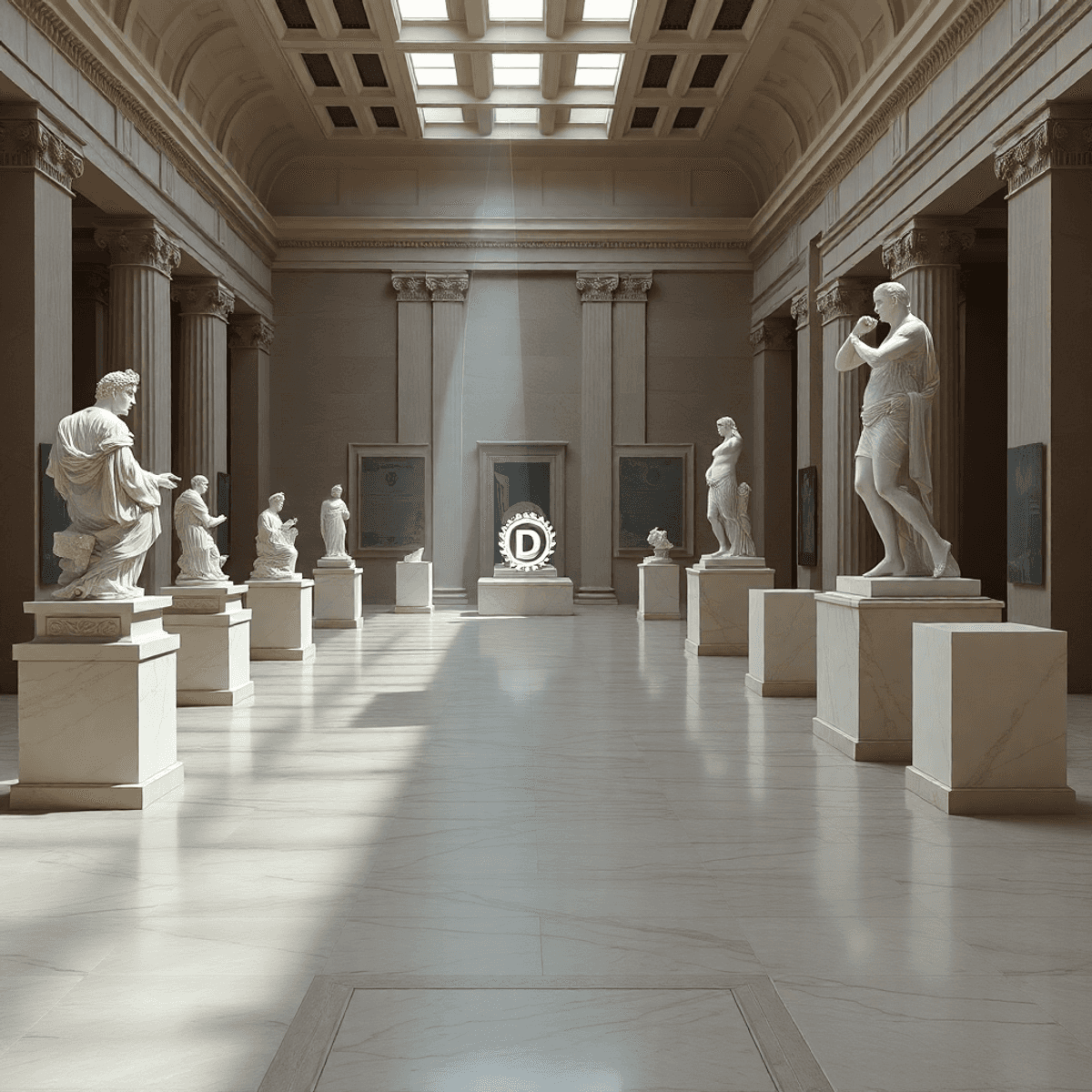
The virtual reality program developed by the Institute of Digital Archaeology (IDA) offers a striking digital transformation of the Duveen Gallery at the British Museum. This gallery, known for housing the Parthenon Marbles, is digitally “emptied” in the VR experience, allowing visitors to witness what the space might look like without these iconic artifacts.
The development timeline spanned over one and a half years. This period was necessary due to several technical challenges:
This project demonstrates how modern technology can create an immersive virtual Duveen Gallery tour that respects both historical accuracy and user engagement. The result is not just a digital replica but a fully interactive space where visitors can explore what life after marbles might feel like inside one of the world’s most famous museums.
Visitors to the British Museum will have a unique opportunity to engage with the VR glasses museum visitor experience designed to simulate the gallery after the Parthenon Marbles return to Greece. This immersive approach allows you to explore the transformed Duveen Gallery both onsite and remotely.
Special VR glasses will be available in Room 18, enabling you to walk through the space and see it as it will appear without the marbles. The technology uses precise geotagging so what you see aligns perfectly with your physical surroundings, creating an uncanny sense of presence. You can even reach out and virtually touch benches, doors, or walls, blending digital imagery with tangible reality.
For those who cannot visit London, the experience is accessible online via platforms like digitalarchaeology.org.uk. This option opens up the British Museum’s future vision after Marbles return to a global audience, breaking geographical barriers.
The virtual gallery replaces the iconic sculptures with carefully curated exhibits narrating ancient Greek art and culture from new perspectives:
This reimagined gallery experience challenges traditional museum displays by combining historic authenticity with cutting-edge technology. The virtual reality British Museum initiative titled Life After the Marbles invites you to envision how one of the world’s most famous museums can evolve while honoring its past and embracing a future where cultural heritage is shared respectfully.
By using VR, the British Museum uses VR to envision what it will look like after they return the marble Parthenon sculptures taken from Greece 200 years ago — transforming absence into a dynamic story of cultural continuity and innovation.
The reunification of the Parthenon Marbles represents more than a physical transfer of artifacts; it signals a paradigm shift in how cultural heritage repatriation can be approached through digital means. This VR initiative by the Institute of Digital Archaeology (IDA) serves as a pioneering example, demonstrating how technology can simulate significant museum transformations while respecting the sensitivities involved in returning cultural treasures.
The reunification of the Parthenon Marbles through digital visualization marks a watershed moment. It exemplifies how technology not only aids preservation but also facilitates respectful cultural dialogue and transformation within museum spaces.
The introduction of virtual reality glasses in Room 18 marks a significant shift in how visitors engage with the British Museum’s collections. Early feedback from museum attendees reveals a mixture of curiosity and reflection, as they experience the Duveen Gallery transformed digitally post-return of the Parthenon Marbles. Many find the immersive VR approach compelling, allowing them to visualize the gallery emptied of its iconic artifacts yet filled with alternative exhibits that narrate ancient Greek culture.
Reactions among British Museum staff—ranging from curators and keepers to trustees—are varied but notably cautious. The project introduces a novel lens through which institutional roles are examined:
Roger Michel’s hope that members of the British Museum administration will personally experience the VR transformation reflects an intent to foster dialogue rather than provoke resistance. No formal objections have been recorded regarding this initiative, but open communication remains crucial.
Ensuring smooth integration of VR technology into daily museum operations requires careful planning:
The British Museum’s operational framework allows for such experimental projects under controlled conditions, ensuring that introducing digital archaeology tools supplements rather than disrupts its mission.
This evolving reception highlights an institution at a crossroads, navigating between heritage preservation traditions and emerging technologies reshaping cultural storytelling.
The virtual reality British Museum initiative, known as Life After the Marbles, provides a powerful glimpse into the future of one of the world’s most iconic cultural institutions following the return of the Parthenon sculptures to Greece. This digital archaeology project UK pioneers how technology can simulate profound changes in museum spaces, allowing visitors to experience what the Duveen Gallery will look like without its historic centerpiece.
Key outcomes include:
This approach invites museums worldwide to rethink how they manage collections amid evolving ethical considerations surrounding repatriation and cultural property. Digital reconstructions like this may become a standard practice for visualizing future gallery configurations, enabling institutions to maintain visitor interest while honoring provenance.
Embracing such forward-thinking solutions signals a museum future vision after Marbles return — one where technology enhances storytelling, encourages collaboration across borders, and respects heritage preservation. The British Museum uses VR to envision what it will look like after they return the marble Parthenon sculptures taken from Greece 200 years ago, setting a precedent that could inspire similar transformations globally.
“Life After the Marbles” is more than a virtual experience; it represents a shift toward museums as dynamic spaces that balance tradition with innovation — preserving history while embracing new methods to engage audiences in meaningful ways.
The British Museum has launched a virtual reality (VR) program to envision what the museum will look like after the return of the Parthenon Marbles to Greece, which were taken over 220 years ago by Lord Elgin. This innovative VR experience allows visitors to explore a digitally transformed Duveen Gallery that reflects life after the marbles’ repatriation.
The Institute of Digital Archaeology (IDA), in collaboration with Trinity College, University of Oxford, and led by Roger Michel, developed the VR initiative merging archaeology with digital technology. IDA’s expertise facilitated creating a faithful digital replica of Room 18 using geotagging technology, enabling an immersive experience of the museum post-marbles return.
The VR program employs advanced geotagging technology to meticulously capture and replicate every detail inside Room 18 of the British Museum’s Duveen Gallery, including minor features like stains and marks. This digital transformation took over one and a half years to develop, ensuring an accurate and immersive virtual tour for onsite and remote visitors.
Visitors can engage with this pioneering VR experience onsite using special VR glasses or remotely via online platforms such as digitalarchaeology.org.uk. The virtual exhibit includes replacement displays narrating ancient Greek art and culture, featuring objects loaned by Greece and Pentelic marble replicas showcasing original coloration, offering a comprehensive view of life after marbles’ repatriation.
This VR initiative represents a new approach towards cultural heritage repatriation by digitally visualizing galleries without iconic artifacts. It fosters international collaboration through antiquities loan exchanges and may influence global museum practices by integrating immersive digital experiences that respect heritage preservation while embracing technological advancements.
Anticipated reactions include curiosity and engagement from visitors experiencing this novel way of understanding gallery changes. Internally, there are varied perspectives among trustees, curators, and keepers regarding adoption or resistance to the VR project. Operational strategies have been implemented to ensure smooth visitor experiences alongside managing VR glass distribution without disrupting regular museum activities.