Univrse Brings Black Mirror VR to Montreal—May 2026

Bob Cooney’s Take – I’ve been waiting to talk about this for over a year. This is the first…
Read more...
extra! the newsletter for operators and immersive venue owners -

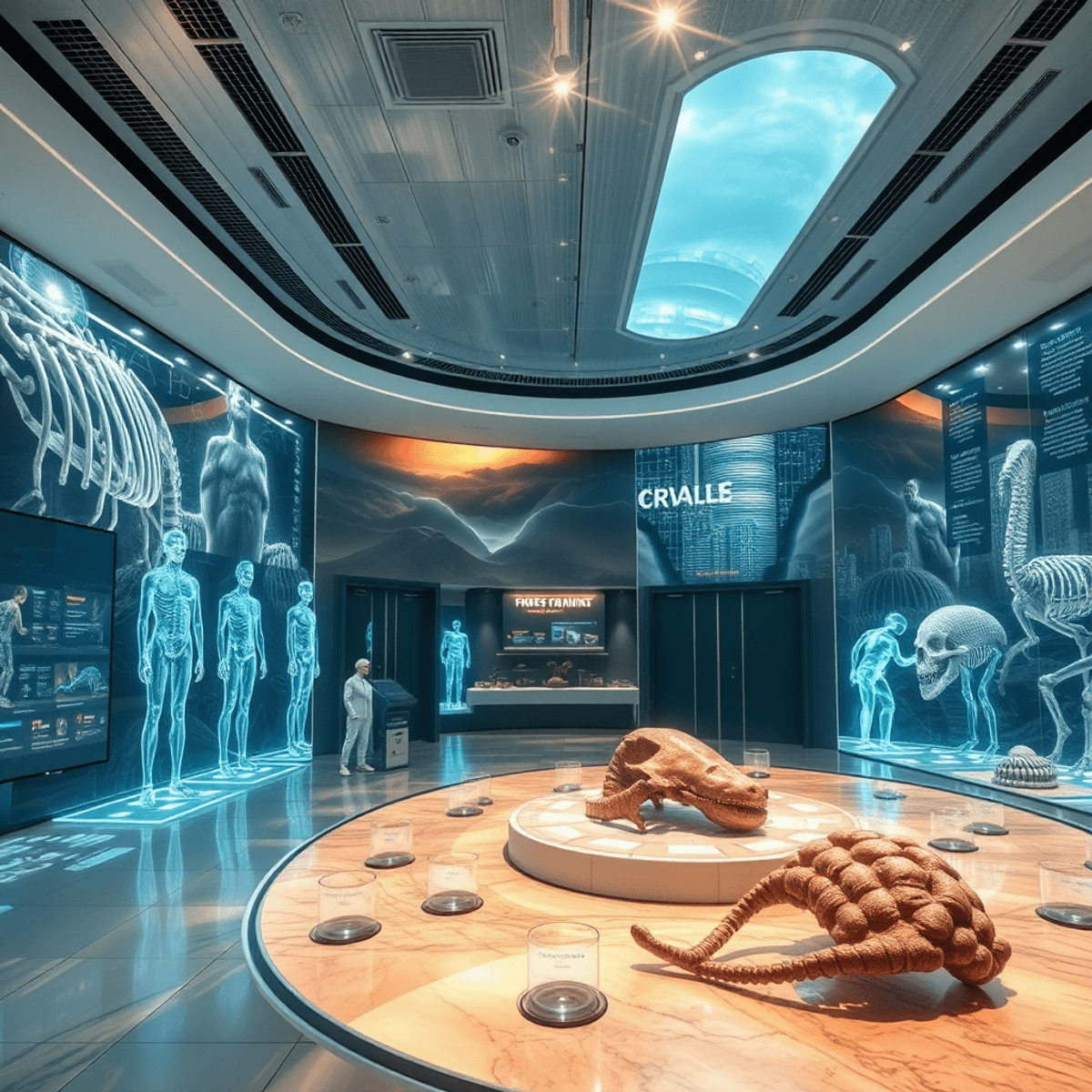
Konza Technopolis and National Museums of Kenya have teamed up to create a state-of-the-art Science Museum, marking a significant step in combining technology with cultural preservation. This partnership aims to develop an innovative space where advanced technologies such as Artificial Intelligence (AI) and Virtual Reality (VR) are used to digitize the Cradle of Mankind, one of Kenya’s most cherished heritage sites.
The partnership between Konza Technopolis and National Museums of Kenya reflects a shared vision to merge tradition with innovation, setting a precedent for future projects that elevate both cultural understanding and technological progress.
The Cradle of Mankind is a UNESCO World Heritage site located in Kenya, known for its significant contribution to the study of human evolution. This area contains some of the oldest and most important fossil evidence that has shaped our understanding of how humans originated and evolved over millions of years. Research conducted here has uncovered early human fossils, stone tools, and other artifacts that provide valuable insight into prehistoric life.
Some key features that define the Cradle of Mankind are:
This heritage site holds deep meaning within Kenya’s cultural identity. It represents the country as a foundational landscape where humanity’s story began. The preservation of these sites connects present and future generations to their ancestral roots, reinforcing pride in Kenya’s role on the world stage.
Research activities linked to the Cradle of Mankind continue to foster international collaboration between Kenyan scientists and global experts. This cooperation enhances knowledge exchange while supporting conservation efforts crucial for maintaining the integrity of these irreplaceable resources.
By digitizing this heritage through AI and VR technologies at Konza Technopolis, you engage not only with physical artifacts but also with dynamic representations that deepen appreciation for Kenya’s pivotal place in paleoanthropology. The combination of ancient history with digital innovation creates new opportunities for education and cultural preservation alike.
Konza Technopolis is a bold initiative in Kenya’s quest to become a leader in technology and innovation. Designed as a smart city, Konza is more than just an urban development—it is a dynamic ecosystem tailored to foster digital transformation across multiple sectors.
Positioned strategically about 60 kilometers south of Nairobi, Konza targets the convergence of technology, education, and business. It aims to attract tech firms, startups, research institutions, and multinational corporations, transforming Kenya into a vibrant hub for innovation known as the “Silicon Savannah.”
Konza’s infrastructure is built on modern ICT networks featuring high-speed fiber optic connectivity, reliable power supply with renewable energy integration, and smart transport systems. These components create an environment capable of supporting complex digital projects.
The city’s design includes dedicated innovation centers and labs equipped with cutting-edge facilities tailored for artificial intelligence (AI) and virtual reality (VR) development. This setup enables seamless experimentation and deployment of immersive technologies essential for projects like the digitization of cultural heritage.
Konza fosters partnerships among government agencies, private sector players, academia, and international investors. This collaborative spirit accelerates knowledge sharing and resource pooling necessary to sustain high-tech initiatives.
Konza Technopolis exemplifies how deliberate urban planning combined with a focus on digital infrastructure can propel Kenya into the forefront of technological advancement. The city serves as the perfect launchpad for integrating AI and VR into cultural preservation efforts such as the new Science Museum project.
The National Museums of Kenya (NMK) plays a crucial role in the country’s efforts to protect its diverse cultural and natural heritage. Its mission is to preserve, research, and showcase Kenya’s history while also using modern tools to improve conservation and engage the public. By finding a balance between tradition and technology, NMK aims to stay relevant in a world that is constantly changing.
NMK is dedicated to safeguarding artifacts, fossils, and heritage sites using advanced methods. They are increasingly incorporating digital archiving, 3D scanning, and interactive displays into their work.
Through the use of digital platforms such as AI and VR, NMK seeks to create immersive learning environments that bring historical stories to life.
The museum network places a strong emphasis on making heritage accessible to all. They actively encourage participation from people of all ages and backgrounds, fostering a deeper connection between Kenyans and their history.
Multiple collections are being digitized to make them more widely accessible. This includes creating photographic databases of artifacts and virtual reconstructions of archaeological sites.
NMK utilizes digital kiosks and augmented reality technology to make their exhibits more interactive and captivating. Visitors can explore content that is tailored to their interests through AI-driven recommendations.
By partnering with universities and international institutions, NMK is able to apply advanced scientific techniques for analyzing and conserving artifacts.
Educational workshops are being conducted to bring museum experiences beyond physical locations. These programs specifically target schools in remote areas using technology as a means of engagement.
The collaboration between Konza Technopolis and National Museums of Kenya in establishing a high-tech Science Museum showcases this spirit of innovation. By utilizing AI and VR technologies to digitize the Cradle of Mankind, they are not only preserving invaluable heritage but also revolutionizing how people interact with it. This initiative positions NMK as a leader in museum innovation, setting new standards for cultural preservation in the digital era.
The ambition driving the establishment of a high-tech museum at Konza Technopolis revolves around redefining science education and cultural engagement. This project aims to create a landmark institution that merges cutting-edge technology with rich heritage, making learning both interactive and accessible.
Artificial Intelligence (AI) and Virtual Reality (VR) technologies bring a new dimension to museum visits:
This vision positions the Konza Science Museum as more than a repository of artifacts. It becomes an active learning ecosystem where technology fuels discovery, understanding, and appreciation of humanity’s origins.
Artificial Intelligence plays a crucial role in the ambitious project to digitize the Cradle of Mankind, using advanced technology to protect and study one of humanity’s most important archaeological sites.
AI algorithms can quickly analyze large amounts of archaeological data collected from fossil digs, excavations, and environmental studies within the Cradle of Mankind. This includes identifying patterns in fossil structures and stratigraphic layers that might take human researchers months to interpret manually.
Machine learning models help predict locations where undiscovered fossils or artifacts might be found by analyzing geological and historical data. This improves excavation efficiency and reduces unnecessary disruption to conservation areas.
AI-powered software reconstructs fragmented fossils digitally, allowing scientists to visualize complete specimens without physical restoration. This technology supports detailed study while preserving the original materials.
AI systems integrate various datasets—from carbon dating results to paleoenvironmental information—providing a comprehensive understanding of human origins embedded in the Cradle.
Visitors at the new Science Museum will experience highly interactive exhibits powered by Artificial Intelligence, designed to adapt content based on individual interests and engagement levels.
AI analyzes visitor behavior such as time spent on exhibits or questions asked via interactive kiosks, then tailors content delivery accordingly. For example, a visitor fascinated by early hominids may receive deeper insights into fossil records versus general evolutionary facts.
Conversational AI chatbots stationed within exhibits respond to visitor inquiries in multiple languages, providing instant explanations or storytelling about artifacts and archaeological findings.
AI customizes visual displays by adjusting complexity and detail based on user profiles—children might see simplified animations while researchers access more technical simulations of evolutionary processes.
The system adapts for different accessibility needs, offering audio descriptions, sign language avatars, or text-to-speech functions, ensuring inclusivity through intelligent design.
Using AI alongside VR technology creates an immersive environment where scientific discovery meets personalized education. The digitization of the Cradle of Mankind through these technologies ensures that Kenya’s heritage is not only preserved but made engaging for all visitors, sparking curiosity through intelligent interaction.
Virtual Reality (VR) is changing the way people experience history and science. The collaboration between Konza Technopolis and the National Museums of Kenya uses VR technology to make the ancient worlds and fossils of the Cradle of Mankind come alive like never before.
Visitors will step into highly detailed digital reconstructions of prehistoric landscapes found within the Cradle of Mankind. These virtual settings replicate geological formations, plants, and animals from millions of years ago, offering a sensory-rich journey back in time.
VR enables users to examine fossils from multiple angles, zooming in on intricate details that physical displays cannot provide. This interactive approach deepens understanding of human evolution through direct engagement with digital artifacts.
VR scenarios will simulate key moments in human history, such as early hominid activities or environmental changes, making scientific data accessible and compelling for all age groups.
The Science Museum’s VR platform opens access beyond geographical constraints. People from anywhere can virtually explore the museum’s exhibits without traveling to Konza Technopolis.
Schools and universities worldwide gain a powerful tool to incorporate African heritage and paleoanthropology into their curricula via immersive lessons delivered through VR.
Remote visitors may participate in guided tours led by experts, enhancing learning through live Q&A sessions while navigating digital reconstructions together.
This use of Virtual Reality complements AI-driven content personalization, creating a fully integrated digital museum experience that redefines cultural education and preservation at Konza.
The partnership between Konza Technopolis and the National Museums of Kenya exemplifies a strategic collaboration aimed at blending technology with cultural preservation. Each entity brings unique strengths to the table, creating a synergy essential for the success of this high-tech Science Museum.
Key aspects of their collaboration include:
This collaborative framework not only accelerates technological innovation but also ensures that cultural narratives remain central to the visitor experience at the new Science Museum in Konza Technopolis.
The community impact of digitizing the Cradle of Mankind through AI and VR technologies extends far beyond simple technological advancement. This initiative creates tangible benefits for both local communities around Konza Technopolis and the broader public across Kenya and beyond.
This initiative positions Konza Technopolis not only as a hub for innovation but also as a catalyst for empowering communities through education and employment aligned with Kenya’s cultural heritage. The integration of advanced technologies into museum experiences creates a model where technology serves people—expanding access to knowledge while fostering sustainable economic growth within the region.
Building a high-tech Science Museum through the partnership of Konza Technopolis and National Museums of Kenya to digitize the Cradle of Mankind using AI and VR brings multiple technological challenges. These challenges must be addressed to ensure the project’s success and sustainability.
Advanced AI and VR systems require significant financial investment. Hardware such as VR headsets, servers for AI processing, and specialized sensors come with high upfront costs.
Software development tailored to archaeological data and immersive experiences demands expert teams, which increases operational expenses.
Maintenance and regular upgrades to keep up with evolving technology add ongoing financial pressure.
Museum staff may face difficulty adapting to new digital tools without adequate training. Effective use of AI-driven content personalization and VR environments requires technical know-how alongside curatorial expertise.
Visitors, especially those from rural or underserved communities, might lack familiarity with VR devices or interactive AI exhibits, potentially limiting engagement and accessibility.
Educating both staff and audiences on navigating these technologies is essential but resource-intensive.
Reliable internet connectivity and power supply are critical for smooth operation of digital systems. While Konza Technopolis offers advanced infrastructure, ensuring consistent performance within museum spaces poses logistical hurdles.
Integration of large-scale data sets from archaeological research into AI platforms demands robust computing infrastructure capable of handling complex analyses in real-time.
Translating scientific data about human origins into engaging virtual experiences must preserve factual accuracy without oversimplification or distortion.
Balancing technological innovation with respect for cultural heritage requires close collaboration between technologists and historians to avoid misrepresentation.
Addressing these challenges involves strategic planning, investment in capacity building, and fostering partnerships across technology experts and heritage professionals. The aim is to create a seamless fusion of cutting-edge technology with Kenya’s rich cultural legacy at the Konza Science Museum.
The Streamline news platform plays a crucial role in keeping the public informed about the development of the AI+VR Science Museum at Konza Technopolis. As this project evolves, accurate and timely updates become essential for various stakeholders, including local communities, educators, technology enthusiasts, and policymakers.
Keeping the public well-informed through clear, reliable reporting ensures that the Konza Science Museum project garners sustained interest and support as it pushes boundaries in digital cultural preservation.
The partnership between Konza Technopolis and National Museums of Kenya to build a high-tech Science Museum using AI and VR to digitize the Cradle of Mankind sets a transformative benchmark for digital museums Africa. This initiative showcases how advanced technologies can revolutionize cultural preservation and public engagement on the continent.
Key potential influences include:
The Konza-National Museums project illuminates the path toward a future where digital museums Africa harness innovation to preserve, educate, and inspire. Its influence promises to reshape how African cultural institutions engage their communities while positioning the continent as a leader in museum technology integration.
Konza Technopolis and National Museums of Kenya have partnered to build a high-tech Science Museum that leverages Artificial Intelligence (AI) and Virtual Reality (VR) technologies to digitize and showcase the Cradle of Mankind, enhancing cultural heritage preservation and scientific education in Kenya.
The Cradle of Mankind, a UNESCO World Heritage site located in Kenya, holds critical importance for understanding human origins and evolution. Digitizing it using AI and VR technologies allows for immersive educational experiences that highlight Kenya’s rich cultural identity and contribute to global paleoanthropological research.
AI will be employed to analyze archaeological data from the Cradle of Mankind, personalize exhibit content for visitors, and enhance interactivity within the museum. This integration transforms traditional exhibits into dynamic learning environments that adapt to individual interests and educational needs.
Virtual Reality will recreate ancient environments and fossils digitally, allowing visitors to immerse themselves in realistic simulations of human evolutionary history. Additionally, VR technology will enable virtual tours for remote audiences worldwide, expanding access to Kenya’s cultural heritage.
Challenges include the high costs associated with deploying advanced AI and VR infrastructure, as well as addressing digital literacy gaps among museum staff and visitors. Overcoming these obstacles is essential to ensure effective use and accessibility of the new technologies within the museum setting.
The project will create educational opportunities through interactive AI/VR exhibits for schools and universities, stimulate job creation in technology and heritage sectors at Konza Technopolis, and serve as a model inspiring wider adoption of digital museum technologies across African cultural institutions.