Univrse Brings Black Mirror VR to Montreal—May 2026

Bob Cooney’s Take – I’ve been waiting to talk about this for over a year. This is the first…
Read more...
extra! the newsletter for operators and immersive venue owners -

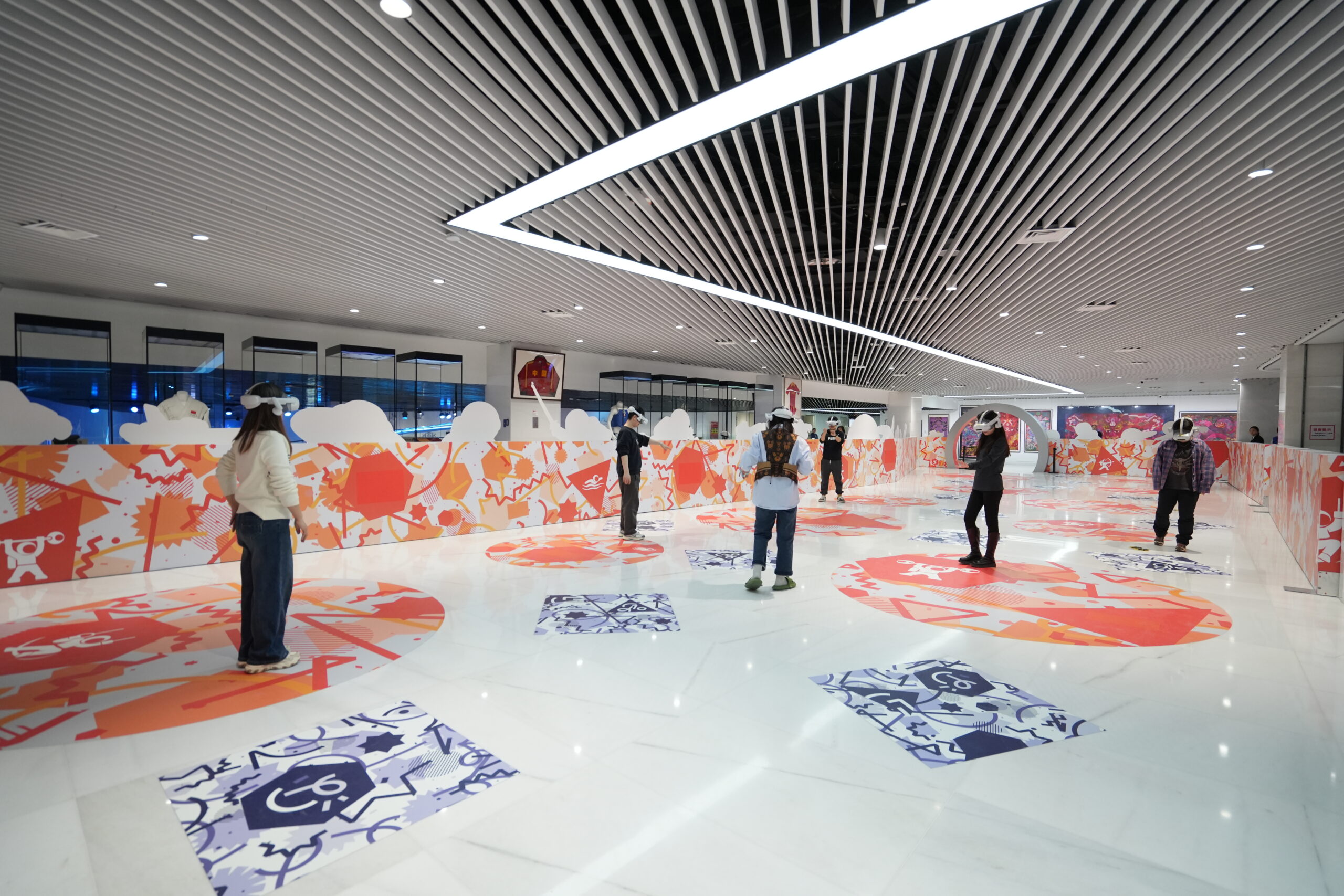
The Interstellar Games VR Arena is an innovative VR experience located in the Beijing Olympic Museum. It uses energy-efficient technology to create a virtual sports event, giving visitors a chance to see what international sports might look like in an environmentally friendly future.
The Interstellar Games VR Arena aims to inspire a change in perspective. It encourages visitors to not only enjoy the thrill of futuristic sports but also consider the significance of environmental responsibility. This immersive exhibit serves as a catalyst for envisioning how international sports can evolve with sustainability as their core principle, aligning with larger initiatives towards a more eco-friendly future.
VR technology in museums has transformed the way visitors experience sports history and future possibilities. Rather than passively viewing static displays, you step into immersive simulations that recreate the excitement and dynamism of futuristic sports events. This deepens engagement by allowing you to actively participate and explore scenarios that showcase innovation and athleticism beyond traditional boundaries.
Interactive exhibits on Winter Olympics history complement these virtual experiences by blending physical artifacts with digital storytelling. You can touch, see, and interact with objects while immersive videos add layers of context and emotion, bringing past Olympic moments vividly to life. These multimedia elements combine to create a rich narrative environment where history becomes tangible, relatable, and inspiring.
Museums use immersive videos and interactive displays in museums to communicate complex themes such as sustainability and the Olympic spirit clearly and compellingly. For example:
This fusion of technology and storytelling helps visitors grasp abstract concepts through visual experience and hands-on interaction. As a result, VR technology not only educates but also motivates you to think critically about the future of global sports—emphasizing innovation aligned with environmental responsibility and cultural harmony.
The Interstellar Games VR Arena is built on advanced energy-saving technology that sets a new standard for immersive experiences in sports museums. This arena uses cutting-edge hardware and software solutions designed to reduce power consumption while providing high-quality virtual reality simulations. Here are the main features:
These technologies work together to create an immersive environment that respects ecological limits, reflecting a commitment to sustainability deeply embedded in the arena’s design.
Such innovations mirror broader low-carbon initiatives showcased at recent Olympic events. For instance, the Beijing 2022 Winter Games prioritized energy efficiency through renewable energy sources and sustainable infrastructure. The Milan-Cortina 2026 Winter Olympics follow suit by emphasizing eco-friendly venues and operations aiming for near-zero emissions.
A prime example of sustainability in Olympic venues is the reuse of iconic structures. The Beijing Olympic Museum itself is connected to the Bird’s Nest stadium, originally built for the 2008 Summer Olympics. This adaptive use of existing architecture reduces resource consumption associated with new construction and preserves cultural heritage simultaneously. Integrating the museum with the Bird’s Nest demonstrates how legacy venues can be revitalized through innovative design while supporting environmental goals.
The Interstellar Games VR Arena embodies this philosophy by incorporating these sustainable practices into its operation, showcasing how technology and thoughtful infrastructure reuse can converge to support greener futures in global sports events.
The Interstellar Games VR Arena offers more than just a virtual experience; it presents a vision of the future where global sports events are not only thrilling but deeply rooted in sustainability and inclusivity. This futuristic sports gala simulation embodies the green, inclusive, open, and clean Olympic philosophy, bringing these values to life through cutting-edge technology.
By placing you inside this eco-conscious sports gala, the VR arena encourages you to actively imagine what future Olympic Games could look like when environmental responsibility is at their core. You see firsthand how:
The Interstellar Games VR Arena transforms abstract concepts about sustainability into tangible experiences. It challenges visitors to rethink traditional models of global sports by demonstrating that a greener future is achievable—and exciting.
This immersive approach complements the museum’s broader message: that technology combined with thoughtful design can drive meaningful change in how we celebrate athletic achievement on a planetary scale. Sporting events become platforms for ecological innovation, cultural exchange, and shared commitment to protecting our environment for generations to come.
The Beijing Olympic Museum is a groundbreaking example of sustainability in Olympic venues, showing how cultural heritage and environmental responsibility can go hand in hand. Its strategic connection to the famous Bird’s Nest stadium demonstrates a commitment to optimizing resource use, which is rarely seen in large sports complexes.
The Beijing Olympic Museum exemplifies how an iconic sports venue can evolve into a living model of sustainability. Its integration with the Bird’s Nest stadium underscores a future where Olympic infrastructure respects both heritage and ecological balance.
The From Beijing to Milan: Together for a Shared Future exhibition serves as a powerful example of cross-cultural dialogue through exhibitions within the framework of the International Olympic Museums Federation. This unique showcase blends rich Chinese traditions—such as the vibrant Chinese New Year temple fair—with the dynamic culture of winter sports. Visitors encounter an engaging fusion of heritage and athleticism, where traditional craftsmanship and festive customs coexist alongside immersive displays celebrating the spirit of the Winter Olympics.
The exhibition acts as a bridge fostering international unity by illustrating common values and ambitions across continents. It reflects how Olympic host cities can collaborate beyond competition—promoting mutual respect, understanding, and environmental stewardship.
By highlighting these connections through a culturally rich narrative, this display encourages visitors to appreciate the global nature of sports and sustainability efforts. It sets a precedent for future exhibitions aiming to deepen intercultural engagement while advancing responsible event hosting worldwide.
The Milan Olympic Village in Porta Romana is a great example of sustainable architecture designed for the Winter Olympics. Built as a nearly zero-energy building (NZEB), this facility significantly reduces energy use through advanced insulation, efficient heating and cooling systems, and the use of renewable energy. Some key features include:
This approach aligns with broader environmental goals to minimize carbon footprints during large-scale international events.
After the games, the Porta Romana Village will be converted into student housing, demonstrating a long-term commitment to sustainability. This kind of adaptive reuse prevents waste from demolition, maximizes resource efficiency, and provides valuable community infrastructure beyond sporting events.
The idea of repurposing venues can also be seen in Beijing’s Olympic initiatives. The VR experience at the Beijing Olympic Museum, specifically the Interstellar Games VR Arena, uses energy-efficient technology to create a simulation of a futuristic sports gala. This immersive exhibit not only saves power but also inspires visitors by showcasing an eco-friendly vision for the future of global sports. It emphasizes how technological innovation can combine with sustainable design principles to create impactful educational experiences.
Both Milan’s architectural model and Beijing’s technological showcase demonstrate forward-thinking strategies that integrate environmental responsibility into Olympic planning and legacy. These examples encourage stakeholders to view sustainability as an essential component rather than an afterthought in hosting international sporting events.
China Media Group (CMG) plays a crucial role in bringing the Winter Olympics experience to audiences worldwide. With its state-of-the-art broadcasting capabilities, CMG is able to produce 8K public signals for major events like the opening and closing ceremonies, figure skating, and short track speed skating competitions. This cutting-edge technology enhances viewer engagement by delivering stunning visuals that showcase the skill and elegance of winter sports, making spectators feel more connected to the action no matter where they are.
CMG’s dedication extends beyond just being technically proficient; it also aims to promote the Olympic spirit by ensuring that these broadcasts reach international viewers while minimizing harm to the environment through energy-efficient transmission methods. By combining advanced technology with sustainability objectives, CMG sets an example of how media can play a role in creating greener global sporting events.
Chinese Global Television Network (CGTN), a division of CMG, supports this mission through focused campaigns aimed at generating excitement for winter sports while highlighting ecological responsibility. Two key initiatives stand out:
Both CMG and CGTN utilize their wide-reaching platforms not only to honor athletic accomplishments but also to share educational content on sustainability within sports. Their endeavors demonstrate how media partnerships can effectively promote an eco-friendly mindset among fans globally.
The combination of 8K broadcast technology with compelling storytelling creates a multi-dimensional approach: viewers receive immersive experiences while internalizing significant messages about environmental responsibility and cultural unity. This collaboration between innovation and advocacy strengthens the worldwide conversation surrounding ethical sportsmanship in an age that demands sustainability at every level.
The Interstellar Games VR Arena offers visitors a unique chance to learn about VR technology used in museums for sports simulations while directly engaging with energy-efficient design elements. This blend of immersive virtual reality and sustainable innovation creates a powerful educational environment, encouraging visitors to rethink how global sports might evolve in harmony with the planet.
The educational impact is significant. Visitors are not merely passive observers but active participants in envisioning an eco-friendly future for global sports. This interaction fosters:
By merging immersive VR experiences with real-world examples of energy efficiency, exhibitions like the Interstellar Games VR Arena serve as catalysts for change. They invite people to imagine a future where technology elevates athletic competition while respecting ecological limits—a vision increasingly essential for the long-term vitality of global sports.
The Interstellar Games VR Arena at the Beijing Olympic Museum is a significant step towards an eco-friendly future for global sports. By using energy-efficient technology, this VR experience creates a futuristic sports event and encourages us to envision how sustainability can transform the Olympic movement.
Here are some key takeaways from this experience:
We invite you to explore these immersive experiences not just as spectators, but as active participants in shaping a sporting culture that prioritizes the planet. By embracing such innovations, we can create momentum towards an environmentally responsible sporting future—where athletic excellence and ecological stewardship coexist harmoniously.
The Interstellar Games VR Arena is a cutting-edge virtual reality experience at the Beijing Olympic Museum that uses energy-efficient technology to simulate a futuristic sports gala, inspiring visitors to envision an eco-friendly future for global sports.
VR technology enhances visitor engagement by offering immersive simulations of futuristic sports events, integrating interactive exhibits and videos that bring Winter Olympics history to life, and effectively conveying complex ideas such as sustainability and the Olympic spirit.
The arena utilizes advanced energy-efficient technologies aligned with low-carbon initiatives seen in recent Olympic events like Beijing 2022 and Milan-Cortina 2026, including sustainable practices such as reusing existing structures like the Bird’s Nest stadium connected to the Beijing Olympic Museum.
The VR arena embodies green, inclusive, open, and clean Olympic philosophy by simulating a futuristic sports gala that encourages visitors to imagine sustainable futures where environmental responsibility is central to global sporting events.
The museum exemplifies sustainability through its connection to the Bird’s Nest stadium, resource utilization optimization, and its role in promoting environmental awareness alongside preserving cultural heritage within Olympic venues.
Exhibitions such as ‘From Beijing to Milan: Together for a Shared Future’ foster international unity by blending Chinese traditions with winter sports culture, highlighting shared sustainability goals between host cities, and encouraging cross-cultural exchange through engaging displays.