A VR Walking Tour That Turns Jerusalem Into a Time Machine
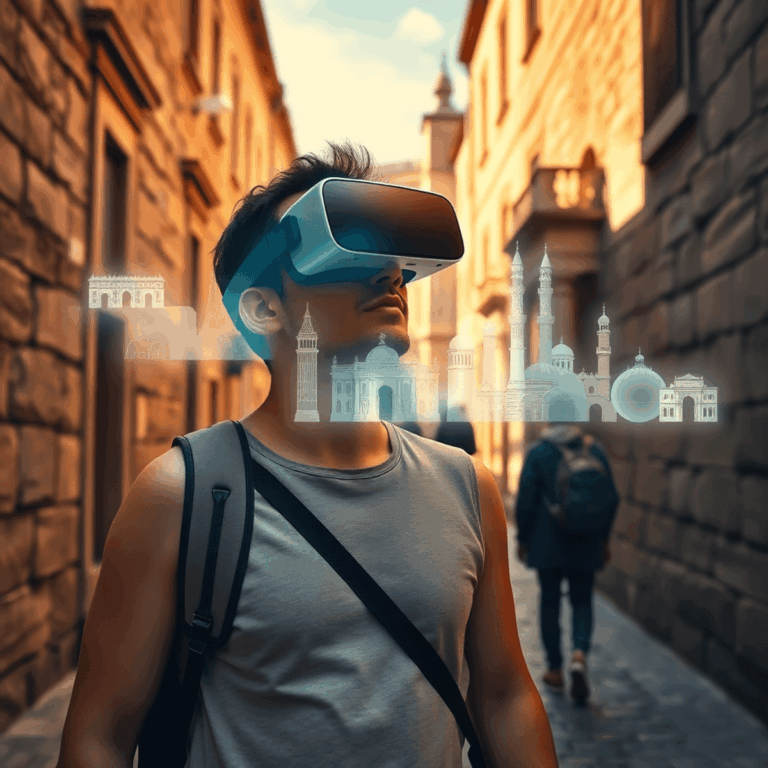
The Tower of David Museum has taken a bold step in cultural tourism by launching Israel’s first mobile virtual-reality walking…
Read more...
extra! the newsletter for operators and immersive venue owners -

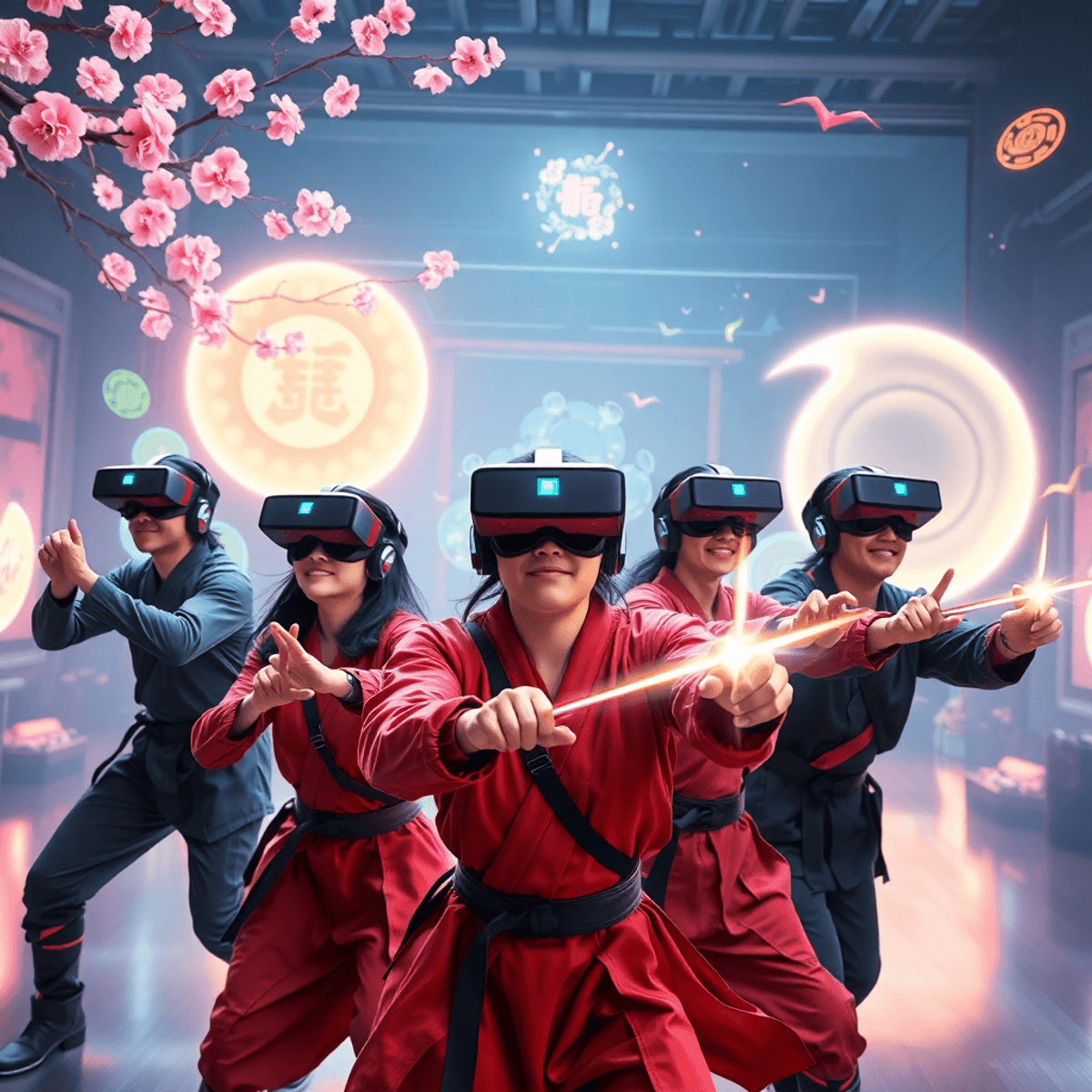
A ninja-themed XR attraction opened at Tokyo Dome City on March 12th, allowing up to six people to become ninjas and battle demons. This latest addition to the VR arcade games scene offers an immersive shooting experience developed by Japan XR Center, blending traditional ninja lore with cutting-edge virtual reality technology. Players can team up or compete in a dynamic environment where movement and strategy are key to overcoming virtual foes.
This attraction marks a significant milestone for Tokyo Dome City, reinforcing its position as a hub for innovative entertainment. The integration of free-roam VR technology and multiplayer gameplay sets new standards for interactive experiences in large-scale venues.
Key takeaway:
Innovative developers and visionary venues are driving the future of VR entertainment by creating immersive, social experiences that redefine how audiences engage with digital worlds.
Tokyo Dome City VR is a shining example of the immersive attractions that Japan has to offer. This venue, known for its diverse entertainment options, has found a unique space by embracing new technologies that expand the possibilities of interactive experiences. Its convenient location in Tokyo and flexible facilities make it an ideal center for large-scale VR and XR installations.
Several key factors contribute to Tokyo Dome City’s success:
The venue consistently incorporates cutting-edge systems like free roam VR setups, spatial audio, and real-time motion tracking. These technologies are essential for complex attractions such as multiplayer ninja battles that require smooth interaction among participants.
With spacious areas designed to accommodate significant foot traffic, Tokyo Dome City can host events that attract various groups, from casual visitors to dedicated gaming communities. This capacity allows developers to create experiences that are both socially engaging and logistically practical.
The combination of local residents and international tourists visiting Tokyo Dome City creates a vibrant demographic that thrives on new forms of entertainment. This diversity provides an ideal environment for testing and improving innovative VR content that resonates across cultures.
Located near amusement parks, shopping centers, and cultural venues, Tokyo Dome City offers a comprehensive leisure destination. Visitors with different interests often come across immersive VR attractions as part of their plans, increasing exposure and enhancing visitor retention.
Tokyo Dome City’s commitment to hosting groundbreaking VR entertainment firmly establishes it as a key player in Japan’s evolving digital amusement industry. Its reputation encourages developers to launch ambitious projects here, knowing that the infrastructure and audience are ready for state-of-the-art immersive adventures.
The creator of XR Mission Ninja Breaker: Demon Battle is a leading XR attraction developer, Japan XR Center, Ltd. known for pushing boundaries in free roam VR technology and interactive game design. With a portfolio showcasing immersive multiplayer environments, this developer specializes in crafting experiences that emphasize natural movement and deep player interaction.
Their innovation lies in blending cutting-edge hardware with thoughtfully crafted software, transforming traditional arcade visits into memorable adventures shared among friends or strangers alike. This shift from solitary play to collective immersion marks a significant advancement in how XR attractions engage audiences.
Players do not simply wear headsets; they embody ninjas moving fluidly through virtual environments enhanced by this developer’s advanced tracking and interaction systems. Free roam VR opens new possibilities for natural, physical engagement that amplifies excitement and emotional connection during gameplay.
The developer’s ability to harness these technologies positions them at the forefront of shaping group-centric virtual entertainment experiences—offering fresh perspectives on social gaming within XR spaces.
The ninja-themed XR attraction at Tokyo Dome City, opened on March 12th, stands out by offering a free roam VR environment where up to six participants can physically move and interact within a richly detailed virtual ninja world. This setup removes traditional limitations of stationary VR experiences, allowing players to explore the space naturally, enhancing immersion through unrestricted movement.
These features combine to create an experience that is dynamic and social, encouraging repeated visits. The attraction’s design leverages the strengths of multiplayer VR gaming while maintaining accessibility for newcomers unfamiliar with virtual reality or ninja lore. You’re not just playing a game—you’re stepping into a living world where your actions have weight and teamwork becomes essential.
The interplay between realistic movement, responsive controls, and multiplayer engagement defines this ninja-themed XR attraction as a standout offering in Tokyo Dome City’s lineup of immersive experiences.
Tokyo Dome City’s introduction of the ninja-themed XR attraction places it strategically within the rapidly expanding VR arcade games market. This move taps into rising consumer interest in immersive, social gaming experiences that combine physical movement with virtual interaction.
The integration of these strategies within the XR attraction business model enhances Tokyo Dome City’s position beyond a mere venue provider. It transforms the site into a dynamic entertainment hub actively shaping consumer habits in VR gaming consumption. This approach aligns with broader industry trends where immersive experiences are not just attractions but evolving platforms for sustained customer interaction.
The launch of the ninja-themed XR attraction, XR Mission Ninja Breaker: Demon Battle, at Tokyo Dome City marks just the beginning of an evolving entertainment journey. The potential for downloadable attractions expansion here is significant, allowing the experience to grow well beyond its initial offering.
Keeping the experience fresh through downloadable content directly supports sustained revenue streams. Instead of relying solely on first-time ticket sales, Tokyo Dome City can monetize:
This approach leverages the scalable nature of XR attractions. Unlike traditional amusement rides, digital expansions allow operators to evolve experiences without large physical renovations. It also taps into gamers’ expectations shaped by console and PC games, where frequent updates are standard.
Maintaining user interest with evolving game scenarios turns one-time visitors into loyal fans. Continuous innovation in downloadable attractions ensures Tokyo Dome City remains a destination not just for novelty seekers but for dedicated VR enthusiasts seeking ongoing engagement in their ninja battles.
The launch of the ninja-themed XR attraction at Tokyo Dome City on March 12th marks a significant milestone in immersive entertainment. Allowing up to six people to become ninjas and battle demons, this experience embodies the fusion of traditional lore with cutting-edge VR technology.
Key takeaways highlight:
This ninja-themed XR success reflects more than just an engaging game; it signals Tokyo Dome innovation as a catalyst for the future of VR entertainment. Developers and venues working hand-in-hand open new possibilities for social interaction, monetization models, and sustained user engagement. This synergy will continue shaping experiences that are not only technologically impressive but also culturally resonant and commercially viable.
You can expect Tokyo Dome City to remain at the forefront of XR attractions by continuously evolving its offerings, inviting you to step into worlds where imagination meets reality—starting with becoming a ninja and battling demons like never before.
The ninja-themed XR attraction at Tokyo Dome City, opened on March 12th, is an immersive virtual reality experience allowing up to six people to become ninjas and battle demons in a free roam VR environment. It combines innovative controls and multiplayer dynamics to deliver engaging gameplay within a virtual ninja world.
Tokyo Dome City is recognized as a pioneer in hosting cutting-edge VR and XR attractions due to its strategic integration of innovative technologies that support large-scale interactive experiences. Its ability to attract both locals and tourists makes it an ideal location for groundbreaking VR arcade games and immersive entertainment.
The developer behind the ninja-themed XR attraction specializes in free roam VR technology and interactive game design. Their innovative approach enhances group experiences by enabling natural player movement within virtual environments, creating highly immersive multiplayer gameplay that revolutionizes social VR entertainment.
Key technologies include real-time motion tracking systems, spatial audio, and haptic feedback integrated into the free roam gameplay. These innovations allow seamless player movement, realistic interactions with virtual foes, and heightened immersion during battles against demons, elevating the overall XR entertainment experience at Tokyo Dome City.
By introducing this advanced multiplayer ninja-themed XR attraction, Tokyo Dome City strengthens its competitive presence in the expanding VR arcade games market. Monetization strategies such as ticket sales, group packages, and downloadable content expansions contribute to sustainable growth within the XR attraction business model.
Marketing efforts focus on targeting tech-savvy consumers seeking unique social experiences through immersive entertainment. Strategies include promoting multiplayer features via social media platforms and emphasizing group experience opportunities to engage audiences interested in innovative VR arcade games at Tokyo Dome City.