Univrse Brings Black Mirror VR to Montreal—May 2026

Bob Cooney’s Take – I’ve been waiting to talk about this for over a year. This is the first…
Read more...
extra! the newsletter for operators and immersive venue owners -

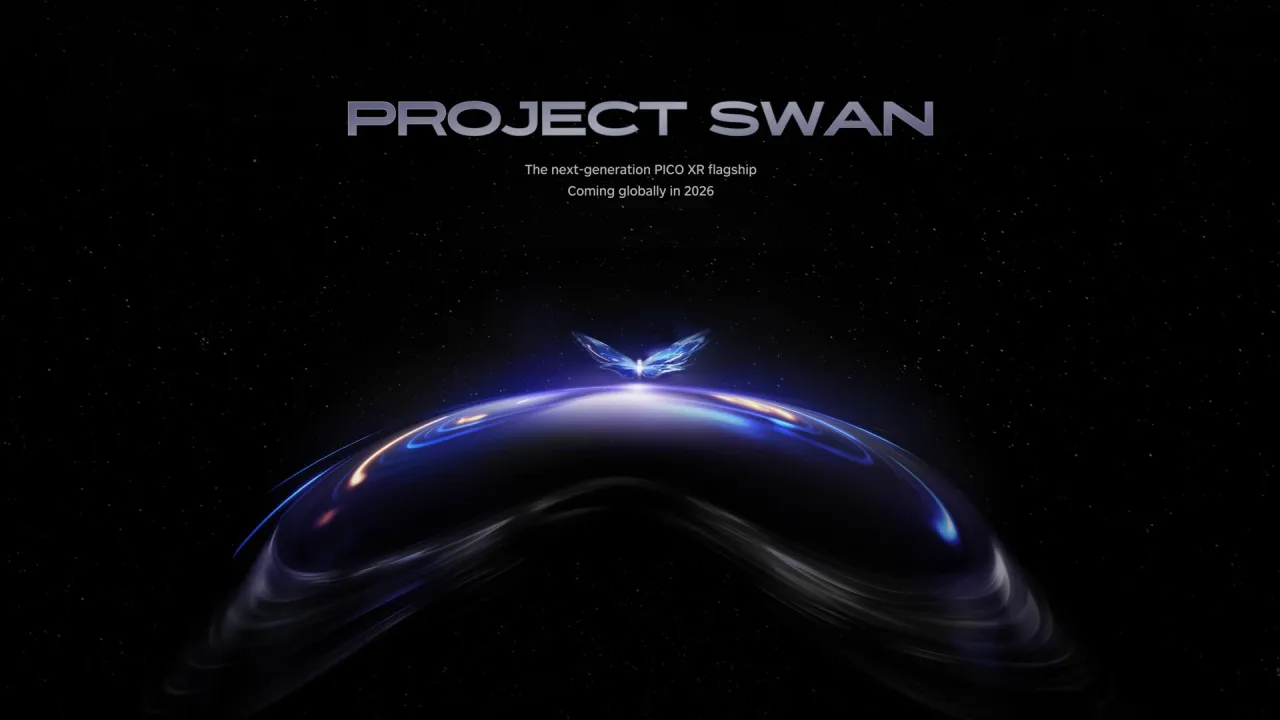
Pico has established itself as a significant player in the extended reality (XR) industry, known for developing innovative headsets that blend immersive experiences with practical applications. Their latest announcement teases Project Swan, a new XR headset that promises to push the boundaries of hardware performance and software capabilities.
This teaser highlights a bold step forward for Pico, featuring advanced technology intended to enhance both productivity and entertainment within spatial computing environments. The unveiling of Pico OS 6 alongside Project Swan signals a fresh approach to user interaction and multitasking on XR platforms.
In this article, you will learn about:
Understanding these elements provides insight into how Pico intends to influence the XR landscape with Project Swan. This overview equips you with the knowledge needed to evaluate its potential impact on future immersive experiences.
While we await the launch of Project Swan, it’s worth noting that Pico has already made waves in the market with their recent release, the Pico 4 Ultra, which has gobbled up significant market share in the LBE market.
Pico’s Project Swan headset introduces a dual-chip architecture that sets it apart in the XR landscape. This system combines a new custom Pico silicon chip alongside a flagship System on Chip (SoC), creating a powerful tandem designed specifically to elevate XR performance.
The dual-chip design of Pico’s Project Swan headset consists of two main components:
This separation means dedicated hardware for spatial computing workloads, multitasking, and advanced sensor integration, improving system stability and user experience.
The performance of Project Swan’s flagship SoC is significantly higher than that of Qualcomm’s Snapdragon XR2 Gen 2.
Here are some key points of comparison:
The chipset plays a crucial role in determining the performance and capabilities of an XR device.
With Project Swan’s dual-chip setup:
This architecture signals a shift toward purpose-built hardware in XR, where balancing raw power with specialized processing units enables next-level immersive experiences. Understanding these technical advancements helps you appreciate how Project Swan aims to push boundaries in both consumer and professional XR markets.
Pico’s Project Swan headset features an impressive dual 4K display setup. Each eye is presented with a 4K resolution panel, significantly enhancing visual clarity compared to many existing XR headsets. This high-resolution configuration reduces the screen-door effect—where you see gaps between pixels—making images appear smoother and more lifelike.
The impact of this setup extends beyond just sharpness. With two high-resolution screens working together, the headset provides a wider field of view without compromising detail. This is particularly important when immersing yourself in complex environments or reading fine text during productivity tasks.
Pixel density plays a crucial role in how crisp visuals appear. Project Swan boasts an average angular resolution of 40 pixels per degree (PPD), with peaks reaching up to 45 PPD in certain areas of the display. To put this into perspective:
Higher pixel density directly translates to better text readability and finer visual details. This makes reading documents or user interfaces more comfortable, reducing eye strain—a key advantage for extended use cases like enterprise workflows or educational applications.
By combining dual 4K panels with such high pixel density metrics, Project Swan aims to deliver both immersive entertainment experiences and practical productivity tools that require precise visual fidelity. This level of clarity supports diverse applications ranging from gaming and media consumption to multitasking with multiple windows visible simultaneously.
Pico OS 6 is the operating system that powers the Project Swan headset, specifically designed for spatial computing environments. It allows you to perform multiple tasks at once, ensuring a smooth workflow without disrupting your immersive experience. With its multitasking features, users can open and manage several applications simultaneously in a 3D space, boosting productivity especially in professional or creative settings.
Interaction modes on Project Swan cater to diverse user preferences and application needs:
The combination of these interaction methods ensures that developers can create versatile experiences targeting both casual users and power users. Pico OS 6’s spatial computing foundation aligns closely with the advanced hardware capabilities—such as the dual-chip architecture and high-resolution displays—making Project Swan not just a headset but an integrated platform for immersive productivity and entertainment.
Pico is expanding its developer ecosystem with a strong focus on developer tools for spatial apps development. The Project Swan headset will benefit from new resources aimed at both traditional XR developers and those accustomed to standard Android environments.
These developer-centric features suggest a commitment to lowering the entry barrier for creators while accelerating the production of high-quality spatial applications. By using familiar tools like Android Studio and Kotlin, developers can efficiently prototype and deploy applications optimized for Project Swan’s powerful hardware.
The strategic push toward accessible development environments positions Pico not just as a hardware innovator but also as an enabler of rich software ecosystems that will drive user engagement on the platform.
Pico’s Project Swan is different from other XR headsets available today. It aims to offer both enterprise-level performance and accessibility for prosumers. While Apple Vision Pro focuses on high-end design and immersive experiences for consumers at a steep price, Project Swan seems to prioritize powerful hardware that can handle complex tasks in both professional settings and advanced consumer use.
Meta, on the other hand, offers affordable options like the Quest line with a goal of reaching a wide audience. However, Project Swan’s unique design featuring two chips and greater processing capabilities (twice as much as Snapdragon XR2 Gen 2) suggests it is designed to go beyond Meta’s mainstream approach. Instead, it aims to attract users who require superior visuals, efficient multitasking abilities, and strong support for developers.
The expected launch date for Project Swan is 2026. This aligns with Pico’s plan to improve their spatial operating system (Pico OS 6) alongside advancements in hardware. Although pricing has not been officially announced yet, it is anticipated that this device will be positioned as a premium option—likely more affordable than Vision Pro but more expensive than current Quest models due to its top-of-the-line features such as dual 4K displays and customized silicon.
One important aspect that affects how much people trust XR devices is how they handle private information. Recent news about Meta’s Ray-Ban smartglasses has raised concerns about privacy practices:
Human operators in low-wage countries review images captured by the glasses to improve system functionality.
This revelation has sparked discussions about whether users have given consent and how secure their data is in smartglasses ecosystems. Although Project Swan has not directly addressed similar privacy issues yet, it operates in an environment where being open about data processing will be crucial for acceptance—especially among enterprise customers who require strict confidentiality.
In this changing landscape of major VR headset suppliers, Project Swan’s combination of advanced technology and practical applications indicates a future where XR devices cater simultaneously to professional environments and demanding consumers seeking immersive experiences without compromise.
Pico’s new Project Swan headset is an exciting development in the world of spatial computing. It introduces a dual-chip design with a custom Pico chip and a powerful SoC, surpassing the capabilities of existing XR hardware. This advancement opens up possibilities for more immersive experiences and sets new benchmarks for standalone headsets.
The inclusion of two 4K displays with high pixel density ensures crisp visuals, making it suitable for tasks that require fine detail. Combined with the innovative features of Pico OS 6, such as multitasking and intuitive gestures, Project Swan aims to cater to both entertainment and professional needs.
Enterprise users can expect improved productivity through efficient multitasking and clear visuals for intricate applications. Meanwhile, consumers will enjoy a seamless transition between gaming, media consumption, and spatial activities.
Project Swan not only upgrades hardware specifications but also prioritizes user-friendliness and ecosystem expansion through software enhancements and developer support.
By combining state-of-the-art technology with practical functionalities, this headset has the potential to redefine expectations in the XR market. Whether you’re a developer seeking opportunities, an enterprise user looking for effective solutions, or an enthusiast craving advanced XR experiences, Pico’s Project Swan deserves your attention as it shapes the future of spatial computing.
Pico’s Project Swan is an upcoming XR headset that represents a major leap forward in hardware performance and spatial OS capabilities. It is significant because it introduces advanced dual-chip architecture and a custom silicon chip, setting new standards for enterprise productivity workflows and immersive consumer experiences.
The Project Swan headset features a dual-chip design combining a new custom Pico silicon chip with a flagship SoC, delivering twice the computational power compared to Snapdragon XR2 Gen 2. It also includes two 4K displays offering high pixel density (40 PPD average, peaking at 45 PPD) for enhanced visual clarity and text readability.
Pico OS 6 is designed for spatial computing environments, enabling multitasking capabilities that improve workflow efficiency. It supports multiple interaction modes including gaze-and-pinch gestures as well as traditional controller inputs, facilitating intuitive and versatile user experiences.
Pico offers new developer tools tailored for spatial app development, integrating with popular platforms like Android Studio and supporting Kotlin language. This ecosystem support facilitates both traditional and standard XR developers to create rich applications optimized for the Project Swan headset.
Project Swan positions itself between enterprise and prosumer XR devices, offering flagship features anticipated to compete with Apple Vision Pro and Meta’s offerings. Rumored for release in 2026, it aims to balance high performance with competitive pricing while addressing privacy concerns prevalent in smartglasses technology.
Privacy concerns have arisen due to image data from smartglasses being reviewed by human operators in low-wage countries, as revealed with Ray-Ban Meta glasses. These issues highlight the need for robust data protection measures in devices like Project Swan to ensure user privacy while leveraging advanced spatial computing capabilities.