Univrse Brings Black Mirror VR to Montreal—May 2026
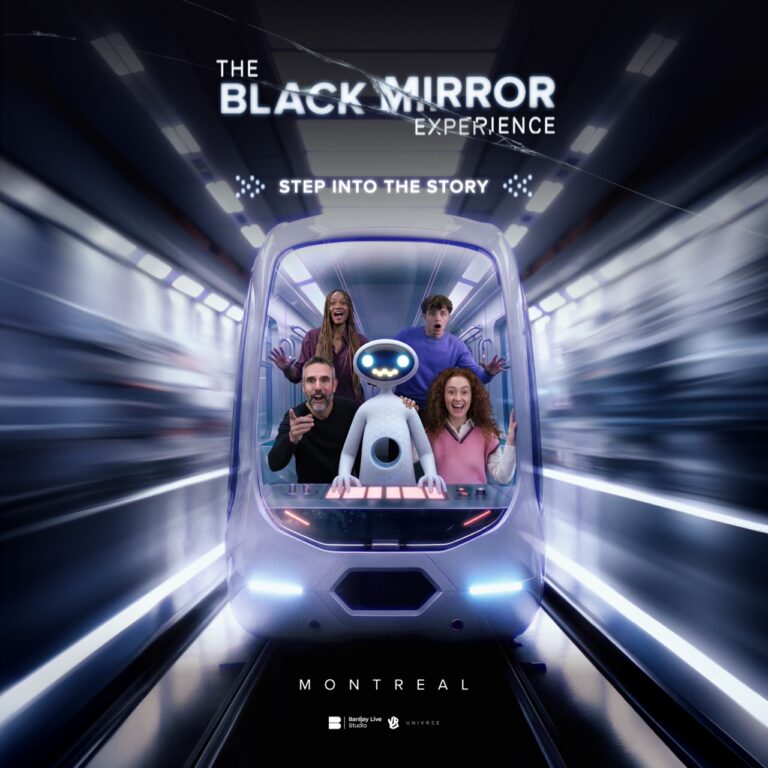
Bob Cooney’s Take – I’ve been waiting to talk about this for over a year. This is the first…
Read more...
extra! the newsletter for operators and immersive venue owners -

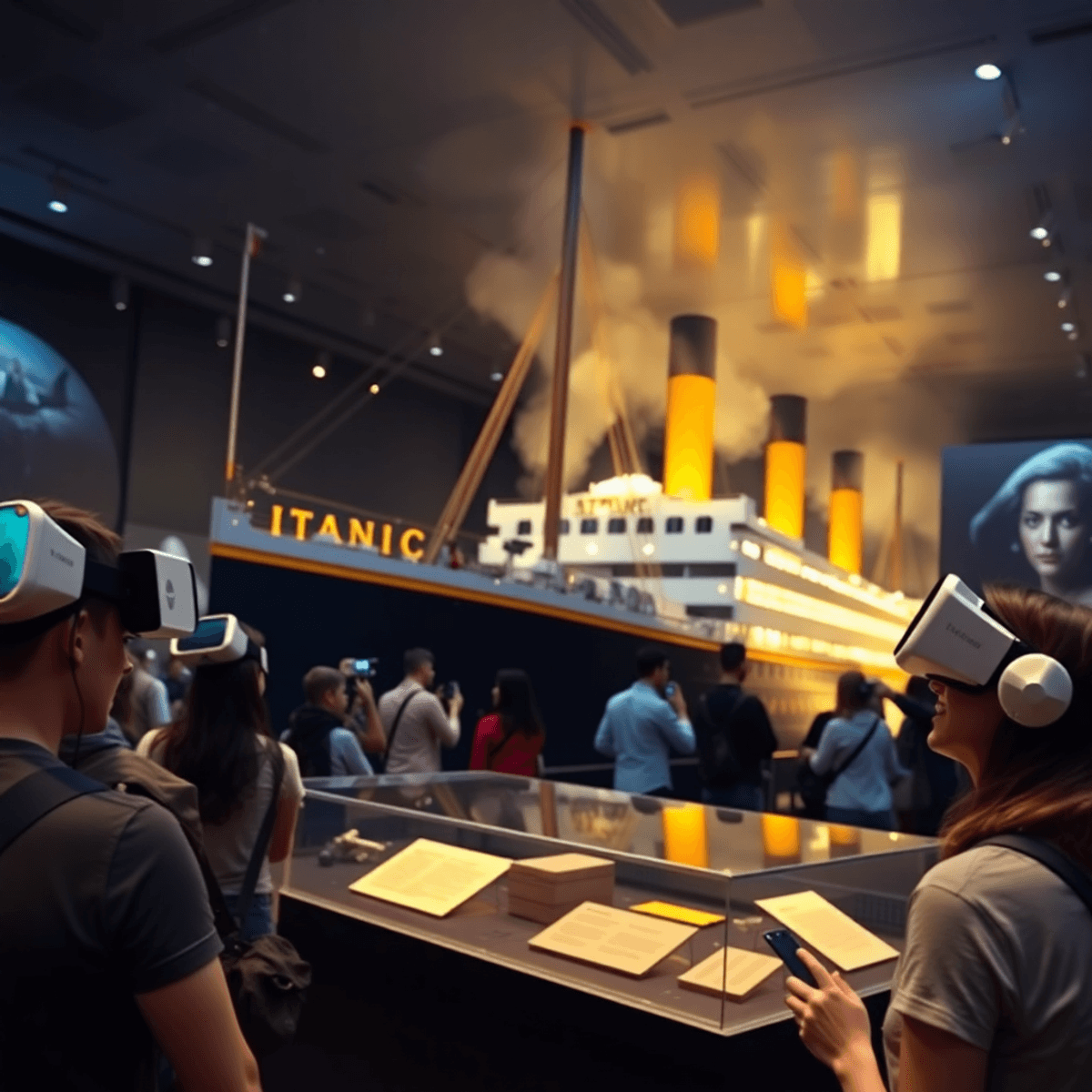
The reimagined Titanic: The Artifact Exhibition recently launched in Poznań, Poland, marking a new chapter for this iconic museum experience. This latest version combines cutting-edge technology with historical artifacts to create an immersive Titanic exhibition that captivates visitors in unprecedented ways.
One of the standout features of the exhibition is the Titanic VR upsell option, embraced by an impressive 70 percent of Titanic exhibition guests. This high adoption rate signals a strong visitor appetite for interactive museum experiences that go beyond passive viewing.
This article explores how immersive VR elements within the exhibition drive such high visitor engagement and conversion. You will discover the factors behind this success and what it means for the future of museum exhibitions leveraging virtual reality.
The Titanic: The Artifact Exhibition has become a landmark cultural event, captivating audiences worldwide with its authentic artifacts and immersive storytelling. Developed by Storyland Locations, an experiential development firm spun out from the expertise of Storyland Studios, the exhibition combines historical accuracy with modern engagement techniques. This blend has allowed it to establish a strong global presence across multiple continents.
Since its inception, the exhibition has toured numerous cities internationally, showcasing genuine Titanic artifacts in major museums and cultural centers. Its reach extends from North America to Europe and beyond, drawing diverse audiences eager to connect with this iconic piece of history.
Leveraging the creative and strategic foundation laid by Storyland Studios, Storyland Locations has elevated the traditional museum experience. Their focus on narrative-driven design and interactive elements has redefined how Titanic artifacts are presented, making each display location a memorable visit.
The recent unveiling in Poznań, Poland marked a pivotal moment. This launch demonstrated the exhibition’s ability to resonate deeply with European visitors, many of whom hold historical ties to the Titanic story. The success was quantified not only through attendance but also by visitors’ enthusiastic response to new immersive features like VR experiences.
The positive reception in Europe acts as a powerful endorsement for upcoming tours. It validates the investment in innovative technologies and storytelling approaches. Consequently, venues on the US tour are anticipating similar or greater visitor engagement based on these proven results.
A notable example comes from feedback at the Poznań venue where guests expressed appreciation for how authentic artifacts were brought to life through immersive environments crafted by Storyland Locations. This combination of tangible history with cutting-edge presentation techniques ensures that each Titanic artifacts display location offers something beyond static exhibition—an emotional and educational journey through time.
Storyland Studios’ background in themed environments lends credibility and professionalism that support this seamless integration of history and technology. Their work behind the scenes ensures that every element—from artifact preservation to visitor flow—contributes to a cohesive experience that continues to set new standards within touring exhibitions globally.

The integration of a VR experience into museum exhibitions is no longer a novelty but a fast-growing standard. Museums and exhibitions are increasingly offering VR upsells as a way to deepen visitor engagement and provide added value beyond traditional displays.
The Titanic: The Artifact Exhibition’s success with over 70% of guests choosing the VR add-on exemplifies this trend. Visitors seek more than passive observation; they want to be part of the story.
Interactive and immersive environments elevate the museum experience by allowing visitors to:
These elements transform static exhibits into dynamic experiences. Interactivity encourages repeat visits as each encounter can offer something new or different.
Experiential storytelling weaves narrative with technology to create meaningful connections. It involves:
Storytelling in VR enhances perceived value by turning education into an adventure. Visitors become participants rather than spectators, which increases satisfaction and willingness to pay for premium experiences.
The rise of virtual reality in museums signals a shift towards more engaging, educational, and profitable exhibitions. Titanic’s VR success reflects this broader evolution where interactive environments and experiential storytelling redefine what museum visits can be.
Titanic: The Artifact Exhibition offers an immersive experience for visitors with its carefully designed 360° cinematic gallery and interactive spaces. The gallery features panoramic visuals that recreate the atmosphere of the original ship, making guests feel like they’re actually walking on board and witnessing significant events unfold. By combining high-resolution images, spatial audio, and dynamic lighting, the exhibition creates a sensory-rich environment that goes beyond typical museum displays.
The exhibition includes interactive features that encourage visitors to actively participate:
These elements enhance understanding by transforming passive observation into active involvement.
One of the standout aspects of this experience is its collaboration with Titanic: Honor & Glory, a well-known developer famous for its commitment to historical accuracy and immersive storytelling in digital formats. Together, they have created what is widely regarded as the most detailed Titanic VR tour ever made.
This partnership offers users exclusive access to areas of the ship that have never been open to the public, such as:
This unprecedented level of detail sets a new standard for virtual historical experiences, delivering both authenticity and emotional impact.
The effect on visitor preferences is evident: around 70 percent of guests attending the Titanic exhibition choose to upgrade their experience with VR. This statistic demonstrates a strong desire for deeper engagement through technology and confirms the value of investing in cutting-edge VR content development.
Such immersive storytelling not only enhances entertainment value but also improves educational outcomes by allowing visitors to explore history in a visceral and unforgettable manner.
Visitor data from the Poznań launch reveals a remarkable trend: over 70% of guests chose the VR upsell option. This conversion rate significantly surpasses typical add-on selections in museum exhibitions, signaling strong visitor interest in immersive experiences.
Visitor engagement statistics support these points:
|
Metric |
Value |
|
Percentage choosing VR upsell |
>70% |
|
Average time spent in VR |
20-30 minutes |
|
Repeat visitation intent |
High |
The combination of novelty, education, and advanced technology produces a compelling reason for visitors to invest in the enhanced experience. This dynamic approach redefines expectations for how exhibitions can connect with audiences on multiple sensory levels.
Such impressive conversion rates set a new benchmark for immersive upsells in cultural settings, indicating strong market demand for thoughtfully designed virtual reality elements within touring exhibitions.
The success of Titanic: The Artifact Exhibition relies heavily on the strong collaboration between key industry players: Storyland Locations, High Note Events, and Experiential Media Group. This partnership has been crucial in securing a multi-city exhibition deal that allows the touring show to travel across continents.
Each partner brings their own expertise to the collaboration:
By working together, these three organizations are able to achieve several important goals:
Partnerships like these are crucial for scaling touring exhibitions globally because they strike a balance between creative ideas and practical operations. When working alone, there may be limitations such as lack of resources or difficulty entering certain markets. However, by joining forces with others who have complementary skills and financial capabilities, risks can be reduced while also increasing the potential for engaging larger audiences.
The collaboration between these organizations shows how modern cultural exhibitions can benefit from working together across different industries—combining experience design, event promotion, and advanced media production into one cohesive package that appeals to diverse groups of people. Such partnerships are setting new benchmarks for sustainable growth in traveling exhibitions while providing impactful educational experiences worldwide.
Hosting the Titanic: The Artifact Exhibition offers compelling financial opportunities for venues. One of the primary revenue drivers is the VR upsell option, which impressively captures the interest of over 70 percent of Titanic exhibition guests. This high adoption rate translates into increased ticket sales and higher per-visitor revenue, making the exhibition a lucrative event for hosting institutions.
Beyond financial gains, the exhibition delivers rich educational cultural experiences that deepen visitor engagement through immersive storytelling and authentic artifact displays. The VR environment offers a unique platform to convey historical narratives in a vivid and impactful manner. Visitors do not just observe artifacts; they virtually step aboard the Titanic, exploring areas never before accessible to the public.
Kirsten Ellenbogen, president and CEO of Great Lakes Science Center, highlights this dual impact by emphasizing how genuine Titanic artifacts paired with immersive experiences offer vital historical context. This approach exemplifies how modern exhibitions balance commercial success with meaningful educational content.
The synergy between financial viability and educational value positions Titanic: The Artifact Exhibition as a model for future immersive cultural events. It demonstrates that investing in advanced VR technology does not merely enhance entertainment but also elevates the quality and impact of museum storytelling.
Immersive technology is rapidly evolving, creating new opportunities for experiential development firms specializing in museum exhibits. Advances in hardware, such as lighter and more affordable VR headsets, improved haptic feedback devices, and augmented reality (AR) integration, are set to redefine how visitors engage with cultural content.
Storyland Locations exemplifies how visionary firms can leverage these innovations. Their expertise in theme park design translated into scalable touring exhibitions shows the potential for cross-industry knowledge transfer. By continuously integrating cutting-edge immersive tools and data-driven visitor insights, they can craft next-generation cultural experiences that resonate globally.
Museums adopting these technologies gain a competitive edge by offering:
The trajectory points toward a museum landscape where immersive storytelling becomes standard practice rather than novelty. Experiential development firms specializing in museum exhibits will play a pivotal role in this transformation by pushing creative boundaries while preserving educational integrity. This evolution promises richer, more inclusive cultural experiences that inspire curiosity and deepen understanding for diverse audiences.
The success summary of the immersive Titanic exhibition shows a game-changing approach to museum experiences. The fact that 70 percent of Titanic exhibition guests choose the VR upsell option highlights a clear shift in visitor expectations. This strong preference for virtual reality indicates the power of combining authentic artifacts with cutting-edge technology to deepen engagement.
Key takeaways include:
Museums embracing this approach will likely set new industry standards, blending education, entertainment, and technology. The trajectory suggests continued expansion into new markets and innovations, shaping how cultural heritage is presented worldwide.
You are at the forefront of a revolution in museum exhibits—one where immersive elements like VR do not just complement but redefine visitor engagement. This evolving landscape promises exciting opportunities for venues, designers, and audiences alike.
The VR upsell option is a key feature of the Titanic: The Artifact Exhibition, with 70 percent of guests choosing it. This immersive virtual reality experience enhances visitor engagement by providing an interactive and detailed exploration of the Titanic, including access to previously unseen areas of the ship.
Titanic: The Artifact Exhibition, produced by Storyland Locations and Storyland Studios, has enjoyed widespread success across Europe and other regions. Its engaging display of authentic Titanic artifacts combined with innovative VR experiences has driven high visitor turnout and positive reception, influencing future tours and exhibitions worldwide.
Virtual reality (VR) experiences are rising in popularity because they create immersive and interactive environments that transform traditional museum visits into experiential storytelling. VR enhances educational value, increases visitor engagement, and offers novel ways to explore historical narratives, making exhibitions more appealing and memorable.
The Titanic VR experience features a 360° cinematic gallery developed in collaboration with Titanic: Honor & Glory. It offers the most detailed VR tour ever created of the ship, granting visitors unique access to areas previously unseen in other exhibitions. This level of detail and interactivity sets it apart from typical museum VR offerings.
Strategic partnerships between organizations such as Storyland Locations, High Note Events, and Experiential Media Group enable effective multi-city exhibition deals. These collaborations provide resources, expertise, and logistical support essential for scaling touring exhibitions globally while maintaining high-quality immersive experiences.
Hosting an immersive exhibition like Titanic with a popular VR upsell option drives significant revenue growth for venues due to high conversion rates. Additionally, it enriches cultural education by combining artifact displays with immersive storytelling, offering visitors a deeper understanding of historical events through engaging technology.