Univrse Brings Black Mirror VR to Montreal—May 2026

Bob Cooney’s Take – I’ve been waiting to talk about this for over a year. This is the first…
Read more...
extra! the newsletter for operators and immersive venue owners -


Květná Glassworks is an important part of the glassmaking industry in the Zlín region. It is known for its long history and skillful craftsmanship. This historic glass factory, which was established centuries ago, has made significant contributions to Czech glassmaking heritage and has gained international recognition for its quality and artistry.
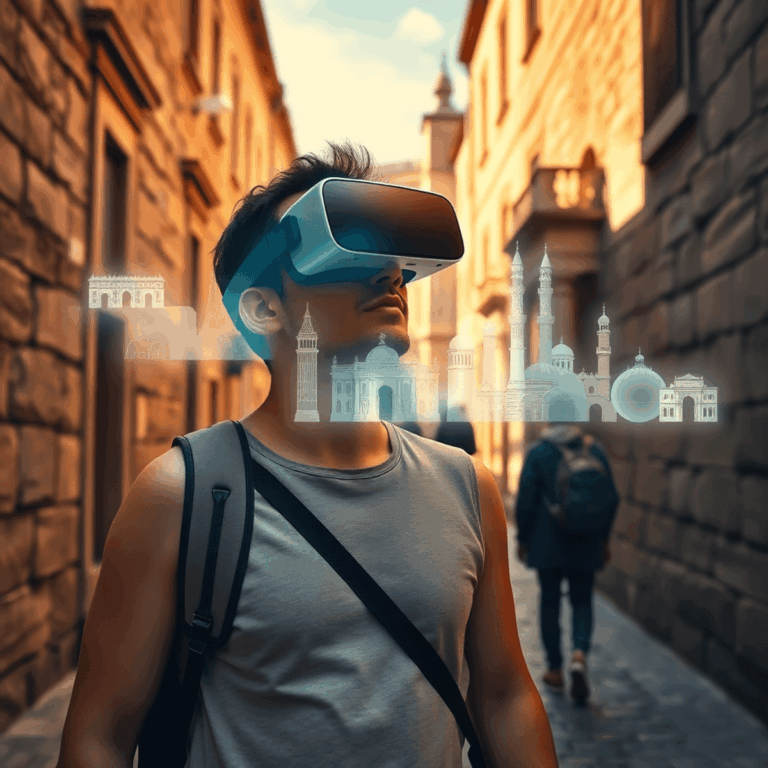
A new glass museum at Květná Glassworks aims to preserve the rich tradition of hand-blown glassmaking while incorporating modern technology to transform how visitors experience this craft. The project focuses on combining tradition and VR — virtual reality tools that immerse guests in the intricate process of glass production.
Key features of this initiative include:
The new glass museum will not only safeguard an important cultural legacy but also bring it closer to a diverse audience, especially younger generations eager for interactive learning. This blend of history and technology positions Květná Glassworks as a forward-thinking institution within the Zlín region’s vibrant cultural landscape.
Květná Glassworks, officially known as Sklárna Květná 1794, holds a significant place in the history of Czech glassmaking. Located in the village of Strání, it is one of the oldest glass factories in the Zlín region. Its continuous operation for over two centuries highlights a long-standing tradition of craftsmanship and innovation that has shaped the local economy and culture.
Several important individuals have played crucial roles in enhancing Květná’s reputation:
The responsibility of preserving this heritage lies with the current custodian Josef Anovčín, owner of Sklárna Květná 1794. Anovčín strives to maintain a balance between honoring traditional methods and adapting to modern demands. He actively leads initiatives to promote awareness about Květná’s legacy through educational programs and contemporary exhibitions.
Anovčín’s vision goes beyond simply continuing production; it encompasses creating immersive experiences that connect visitors with the authentic craft of hand-blown glass. His efforts ensure that the skills passed down through generations remain vibrant and accessible while embracing new technologies like virtual reality.
This dedication to preserving tradition while also innovating positions Květná Glassworks as more than just a historical site—it becomes a living museum where past and present come together, laying the groundwork for future generations to appreciate Czech glassmaking excellence.
Strání is located in the beautiful landscape of the White Carpathians, a mountain range known for its diverse plant and animal life and traditional rural culture. This region stands out within the Zlín region not just for its natural beauty but also for its rich cultural heritage that has shaped local identities over centuries.
The White Carpathians form a natural border between the Czech Republic and Slovakia, making Strání a gateway to a unique cross-border cultural zone. The area’s rolling hills, forests, and meadows create an environment that has supported traditional crafts like glassmaking. Its location encourages visitors to explore both nature and heritage in one trip.
Strání’s culture is deeply connected to age-old traditions such as folk music, costume, and glass artistry. Preserving these customs is essential for maintaining the community’s identity. Here, glassmaking is more than just an industry; it’s a living tradition passed down through generations.
In Strání, there are efforts to develop tourism that respects and promotes its cultural heritage instead of replacing it. The new glass museum at Květná Glassworks exemplifies this approach by combining historical craftsmanship with modern technology to attract visitors without compromising authenticity.
As regional tourism grows, Strání aims to become a cultural hub within the Zlín area. Initiatives like educational trails, interactive museums, and local festivals seek to attract tourists interested in both nature and culture. This strategy supports sustainable tourism by encouraging longer stays and deeper engagement with local traditions.
“Strání should become a natural center of the entire region,” says Mayor Antonín Popelka, highlighting the ambition to integrate cultural heritage into broader tourism development goals.
Combining traditional craft industries with environmental beauty offers a strong incentive for visitors to choose Strání as their destination in the White Carpathians. This connection between place and practice reinforces both cultural preservation and economic vitality through responsible tourism growth.
The new glass museum at Květná Glassworks embraces virtual reality in museums to create a truly immersive visitor experience. This approach transforms traditional exhibits into dynamic encounters with the craft of hand-blown glassmaking. Visitors don VR headsets to enter fully simulated environments where they can witness the intricate glassmaking process from a first-person perspective.
The museum’s design team focused on developing interactive exhibition elements that resonate especially with younger audiences. These elements serve not only as educational tools but also as engaging activities that spark curiosity about craftsmanship and heritage.
The combination of tradition and VR positions the museum as a pioneering space where centuries-old artistry meets cutting-edge technology. This blend appeals to a wide demographic by preserving the authenticity of Czech glassmaking while making it accessible through modern means.
Visitors are encouraged not just to view artifacts but to experience the craft as if they were artisans themselves. The use of VR also broadens accessibility for those unable to witness live demonstrations or enter active workshops due to safety or logistical reasons.
Such innovative exhibition design anticipates evolving expectations from museum-goers who seek interactive, multisensory experiences rather than passive observation. By integrating virtual reality with hands-on elements, Květná’s new museum sets a standard for how cultural heritage institutions can adopt technology without compromising tradition.
The new museum at Květná Glassworks places strong emphasis on engaging young visitors through glassmaking workshops for children. These workshops are designed to provide a tactile, immersive experience that goes beyond observation. Kids get the chance to explore the age-old craft by actively participating in simplified glassmaking processes.
By involving children directly in the creation process, these activities make the centuries-old tradition tangible and memorable. This approach helps ensure that younger generations understand and value the complexity and beauty of hand-blown glassmaking while sparking curiosity about its history and cultural importance.
Květná Glassworks introduces a distinctive attraction through its glass furnace tour, inviting visitors to explore an actual furnace that has been thoughtfully modified for safe public access. This innovative concept offers a rare glimpse into the heart of glassmaking, where intense heat and skilled craftsmanship combine to create beautiful hand-blown glass.
This immersive approach contrasts with conventional museum exhibits by providing a tactile and spatial experience that fosters deeper understanding. It aligns well with other interactive elements at the museum, such as virtual reality demonstrations and hands-on workshops, creating a comprehensive learning journey through traditional glassmaking techniques.
Visitors gain not only information but also a vivid sense of place—standing inside a furnace where generations of artisans harnessed fire to transform raw materials into exquisite works of art. This encounter enhances respect for the craft’s physical demands and technological ingenuity.
The new glass museum at Květná Glassworks presents a carefully curated journey through the history of Czech glassmaking, emphasizing both the rich traditions and the unique local achievements of Strání. Visitors will encounter an extensive collection of artifacts that showcase the evolution of glass art and craftsmanship from the 19th century to modern times.
Exhibits feature hand-blown drinking glasses, ornamental pieces, and utilitarian objects that reflect the technical skill and artistic creativity of Czech glassmakers. Many items highlight distinctive regional styles developed in and around Květná.
Dedicated sections honor pioneers like Emanuel Zahn, whose management elevated the factory’s reputation during its peak. Contributions from master craftsmen such as Antonín Bruštík are showcased through original designs and personal stories, connecting visitors with the human side of glassmaking heritage.
The museum integrates virtual reality experiences that bring traditional techniques to life. By combining physical artifacts with immersive digital reconstructions, visitors gain deeper insight into processes like glassblowing, cutting, and engraving.
A chronological exhibit traces major milestones in Czech glassmaking history, illustrating technological advancements alongside artistic trends. This timeline helps contextualize local developments within broader European movements.
Particular attention is given to Strání’s contributions to global glass artistry, including pieces once displayed at imperial courts. This focus reinforces the region’s longstanding significance as a center of excellence.
Visitors will find that the new glass museum combines tradition and VR not only as complementary elements but as a unified experience designed to deepen appreciation for Czech glassmaking craftsmanship. This fusion allows both enthusiasts and newcomers to engage with heritage in ways that are visually compelling and intellectually enriching.
The museum opening 2028 marks a significant milestone for Květná Glassworks and the surrounding community. The project is currently moving through several key phases:
Detailed plans and permits are being finalized to ensure all construction and renovation activities meet regulatory standards.
The existing gatehouse will be removed to open up space in front of Zahn Villa. This area will transform into a welcoming plaza featuring seating arrangements and a water feature, creating a serene environment for visitors.
Enhancements to visitor facilities will include pathways, signage, and accessibility features designed to accommodate diverse audiences.
Plans are underway to build an outdoor educational trail in the forested area behind the glassworks. This trail aims to integrate nature with interactive play elements focused on glassmaking themes, targeting families and school groups.
Proposals include accommodations for art students and visiting researchers, fostering a creative hub linked closely with the museum’s mission.
These initiatives reflect a comprehensive vision that extends beyond exhibition spaces. The development is designed to create an immersive environment where visitors can engage deeply with both the natural landscape of the White Carpathians and the rich cultural history of glassmaking.
Construction timelines are aligned carefully with these goals, aiming at smooth progress without compromising quality or authenticity. The municipality’s involvement ensures strong local support and integration with broader regional tourism strategies.
Such efforts promise to position the museum not just as a static display but as a vibrant center for learning, creativity, and community connection well before 2028 arrives.
The new glass museum at Květná Glassworks is set to become a key attraction in tourism development in Strání. Its unique blend of traditional craftsmanship and modern technology positions it as a compelling destination not only for local visitors but also for tourists from the wider Zlín region and beyond.
Key factors contributing to the museum’s regional impact include:
This integration of culture with tourism development in Strání transforms the area into a vibrant hub that honors tradition while embracing contemporary visitor expectations. It elevates the profile of Czech glassmaking on both national and international stages.
The new glass museum at Květná Glassworks is a perfect example of preserving tradition through innovation. It pays tribute to the rich Czech glassmaking heritage while also incorporating modern technology such as virtual reality to provide an exciting and interactive experience for visitors of all ages.
Key aspects include:
This project exemplifies how new glass museum to combine tradition and VR can revitalize an age-old craft, ensuring its legacy endures in a rapidly evolving world. Visitors leave not only with memories but with a deeper connection to Czech glassmaking—its past, present, and promising future.
The new glass museum at Květná Glassworks aims to preserve the traditional hand-blown glassmaking techniques while integrating modern virtual reality (VR) technology to enhance visitor engagement and experience.
The museum uses VR technology to immerse visitors in the glassmaking process, offering interactive exhibition elements that bring the craft to life and engage especially younger audiences through innovative digital experiences.
Established in 1794, Květná Glassworks is one of the longest-running glass factories in the Zlín region, with significant contributions from figures like Emanuel Zahn, Antonín Bruštík, and Josef Anovčín who helped preserve and advance its rich glassmaking traditions.
Květná Glassworks is located in Strání within the White Carpathians. This area is culturally rich and significant, with tourism development closely tied to preserving local heritage and promoting regional culture in the Zlín region.
Beyond curated displays on Czech glassmaking history, the museum offers hands-on workshops for children to experience glassmaking firsthand and an innovative tour inside a modified actual furnace, providing a unique and immersive understanding of the craft.
The new glass museum is scheduled to open by 2028. It is anticipated to become a key attraction in Strání and the broader Zlín region, significantly boosting tourism by combining cultural heritage preservation with cutting-edge innovation.