Univrse Brings Black Mirror VR to Montreal—May 2026

Bob Cooney’s Take – I’ve been waiting to talk about this for over a year. This is the first…
Read more...
extra! the newsletter for operators and immersive venue owners -

vrCAVE is a leading VR escape room company and a pioneer in crafting social VR gaming experiences. Since it started, vrCAVE has focused on creating immersive virtual reality escape rooms that bring players together in interactive environments.
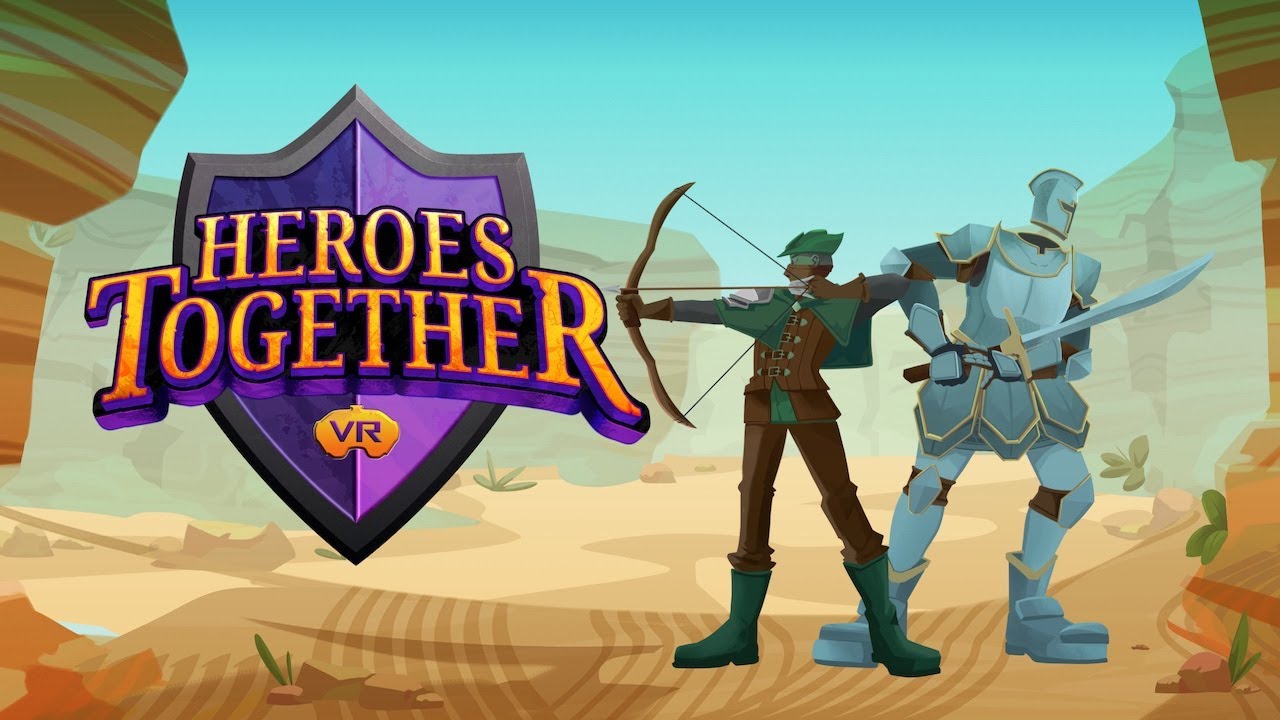
The company’s latest development marks a significant milestone: the launch of Heroes Together VR, vrCAVE’s first game designed specifically for Meta Quest headsets. This new title represents a shift from location-based arcade experiences to home VR gaming, targeting the growing market of standalone VR users.
Heroes Together VR is more than just a game release; it signals an evolution within the VR escape room genre and reflects changing demographics in home VR gaming. By targeting Meta Quest owners, vrCAVE aligns itself with a growing audience eager for multiplayer social experiences delivered directly to their living rooms.
This introduction sets the stage for exploring how vrCAVE is adapting and innovating within the dynamic landscape of virtual reality entertainment.
vrCAVE was founded in 2016 by Alex and Nathaniel Rossol, who had a vision for a new type of entertainment: arcade-style social VR escape rooms. These early products were intended for physical locations where players would come together in person to solve puzzles and enjoy immersive storytelling as a group. By combining cooperation with live social interaction, vrCAVE became a trailblazer in creating shared virtual reality experiences.
As VR technology progressed, a significant change occurred with the introduction of devices like the Meta Quest series. These standalone headsets eliminated the need for expensive PCs and complicated setups. With their affordability and user-friendliness, Meta Quest devices greatly reduced the technical barriers that had previously restricted VR escape rooms to arcades.
This shift in the market prompted vrCAVE to reevaluate its business strategy. Understanding the rise of home VR systems, the company introduced Basement Bunker Labs, a sub-brand solely focused on creating titles for direct-to-consumer distribution. Basement Bunker Labs serves as a clear distinction between:
Basement Bunker Labs represents vrCAVE’s response to the growing diversity of VR users—particularly younger generations who are embracing multiplayer social gaming from the comfort of their own homes. This strategic expansion allows vrCAVE to cater to different market segments without compromising its core expertise in crafting captivating social escape room content.
The shift from exclusively arcade environments towards consumer-friendly home VR signifies an important development not only for vrCAVE but also for the entire virtual reality escape room industry. It showcases how advancements in technology have created opportunities for immersive storytelling and cooperative gameplay experiences beyond physical locations.
Affordable standalone VR headsets, particularly the Meta Quest series, have dramatically reshaped the landscape for direct-to-consumer VR games. Unlike earlier systems requiring high-end PCs and complex setups, Meta Quest devices offer an all-in-one solution with a headset and controllers that connect wirelessly. This accessibility lowers the barrier to entry for home VR gaming, making it feasible for a much wider audience.
The Meta Quest headset market evolution has opened doors not only by expanding the user base but also by shaping user expectations around social interactivity in VR. Younger players prioritize games that foster teamwork and shared experiences over isolated gameplay, aligning perfectly with vrCAVE’s expertise in social VR escape rooms.
vrCAVE’s move into direct-to-consumer gaming through Basement Bunker Labs taps directly into these trends. By targeting the growing population of Meta Quest owners eager for compelling multiplayer content, vrCAVE positions itself to capture significant market share as home VR gaming continues its upward trajectory.
vrCAVE’s Heroes Together gameplay introduces a fresh take on cooperative multiplayer in VR, blending the excitement of roguelite mechanics with immersive social interaction. Designed for up to four players, this game places you and your friends in a richly detailed medieval fantasy world where strategy, communication, and quick reflexes are vital.
Combat revolves around intuitive VR controls:
Each level features procedurally generated layouts, meaning no two dungeons are exactly alike. This roguelite element keeps gameplay challenging, encouraging repeated sessions and mastery over evolving scenarios.
The social dynamics embedded within Heroes Together transform it beyond a standard multiplayer game:
“You’re not just playing next to each other; you’re inhabiting roles that require real-time communication and collaboration,” explains Ryan Bromsgrove from vrCAVE.
Players must share information about enemy positions, coordinate attacks, manage resources like health potions or magic mana, and solve environmental puzzles together. These interactions enhance immersion by fostering genuine teamwork even when participants are physically apart.
Body language cues tracked through VR avatars contribute to non-verbal communication — nodding to confirm strategies or signaling danger without speaking out loud. This nuance adds layers of realism rarely achieved in conventional online games.
vrCAVE’s reputation as a Leading VR Escape Room Company helped shape this strong emphasis on social interactivity. Their expertise translating physical escape room dynamics into virtual environments shines through in how players naturally adopt cooperative roles during their quests.
In launching Heroes Together for Meta Quest devices under the Basement Bunker Labs sub-brand, vrCAVE leverages its legacy while adapting for home consumers hungry for multiplayer social experiences in accessible VR formats.
vrCAVE made a strong impression at the CES Las Vegas VR showcase, presenting Heroes Together in an environment buzzing with anticipation. Influencers and media representatives were given hands-on access to the game, leading to enthusiastic reactions that underscored its appeal. One memorable moment involved a guest playing as an archer, enthusiastically firing arrows while sprawled on the floor—a vivid illustration of player engagement and immersion.
Following CES, vrCAVE is actively expanding community engagement through upcoming events such as the free playtesting session at Edmonton Unlimited. This event coincides with two notable anniversaries:
These celebrations provide a multifaceted platform to attract diverse VR enthusiasts—from long-time fans to newcomers eager for fresh content.
Community participation continues beyond live events with ongoing opportunities including:
This combination of targeted live showcases, celebratory events, and accessible testing phases reflects a comprehensive marketing strategy designed to maximize exposure while deepening community ties. It leverages influencer engagement, direct player involvement, and strategic timing to position Heroes Together prominently within the evolving VR landscape.
vrCAVE’s AlignVR division specializes in crafting escape room puzzles tailored specifically for corporate training, team-building exercises, and hiring processes. This venture taps into the professional sector by adapting social VR escape rooms to meet business needs, offering an innovative alternative to traditional corporate development programs.
The core strength of AlignVR lies in its puzzle design that naturally reveals social dynamics within professional settings. As participants work together to solve challenges, their communication styles, leadership tendencies, and problem-solving approaches become apparent. These insights prove valuable for business coaches and HR professionals aiming to assess team cohesion and individual behaviors beyond standard interviews or group activities.
These data-driven insights allow organizations to identify strengths and weaknesses in teamwork, helping tailor coaching strategies or making informed decisions during recruitment. The immersive nature of VR combined with thoughtfully designed puzzles encourages participants to engage authentically, often loosening up more than they would in conventional assessment settings. This environment fosters genuine behavior observation while maintaining an element of fun.
AlignVR’s approach demonstrates the potential of virtual reality beyond entertainment—showing how escape room experiences can effectively serve as tools for corporate development, blending challenge, cooperation, and measurable outcomes into a single engaging platform.
vrCAVE’s strategic pivot towards consumer markets reflects a deep understanding of how hardware advancements have reshaped the VR landscape. The affordability and accessibility of the Meta Quest series, with its standalone design eliminating the need for costly PCs, have lowered barriers for entry. This shift has unlocked vast potential for direct-to-consumer VR game development strategies that target a rapidly expanding user base.
The evolving features and competitive pricing of Meta Quest devices continue to attract new users. Starting as high-end peripherals costing thousands, now headsets like Meta Quest 3 and the more affordable 3S model bring immersive social VR within reach of many households. This democratization supports vrCAVE’s move beyond arcade spaces into players’ living rooms.
Increasing adoption of standalone headsets fuels demand for multiplayer experiences emphasizing cooperation and social interaction. Titles like Heroes Together demonstrate how rich gameplay mechanics tied to teamwork resonate strongly with younger generations, especially Gen Z. You can expect this trend to accelerate as the social VR ecosystem matures.
Leveraging their decade-long expertise in crafting compelling escape room puzzles and immersive environments, vrCAVE is well-positioned to lead innovation in entertainment within virtual reality. Their dual approach—serving both arcade venues and home consumers—enables flexibility and resilience amid shifting market dynamics.
Anticipate vrCAVE to continue pushing boundaries by blending procedural generation, engaging narratives, and advanced multiplayer features. They aim to refine direct-to-consumer offerings while maintaining strong relationships with arcade partners through specialized divisions like Basement Bunker Labs.
“vrCAVE’s ability to adapt alongside hardware developments positions them uniquely at the forefront of social VR gaming,” says Ryan Bromsgrove, head of growth and marketing. “The future is about creating accessible, fun, cooperative experiences that connect friends regardless of physical distance.”
By focusing on consumer-friendly platforms backed by robust game design and community engagement, vrCAVE is carving out a sustainable path forward. Their commitment to evolving Meta Quest headset capabilities aligns perfectly with the broader growth of the social VR gaming market — securing their place as pioneers in immersive entertainment beyond traditional arcades.
vrCAVE is a pioneering VR escape room company founded in 2016 by Alex and Nathaniel Rossol, known for creating innovative social VR gaming experiences. It leads the market by offering arcade-style social VR escape rooms and has evolved to develop direct-to-consumer VR games, blending immersive gameplay with strong multiplayer social dynamics.
Heroes Together VR is vrCAVE’s first direct-to-consumer game designed specifically for Meta Quest headsets. It features roguelite-style cooperative gameplay in a medieval fantasy setting, allowing up to three friends to play together. Its launch marks a milestone in bringing high-quality, socially interactive VR escape room experiences into the home gaming demographic.
The introduction of affordable standalone headsets such as the Meta Quest series has significantly lowered technical barriers, expanding the home VR gaming demographic—particularly attracting younger players like Gen Z. This shift allowed vrCAVE to transition from arcade-focused experiences to developing consumer-focused games under its Basement Bunker Labs sub-brand, confidently entering the direct-to-consumer market.
Heroes Together VR offers roguelite-style gameplay with procedurally reconfigured levels, quest-based combat using swords, bows, and magic, and treasure hunting. The game emphasizes multiplayer social interaction where up to three players cooperate remotely, enhancing immersion through teamwork and dynamic social dynamics within hand-designed environments.
vrCAVE actively showcases Heroes Together at major events like CES Las Vegas to influencers and media, receiving enthusiastic feedback. They organize free playtesting events such as those at Edmonton Unlimited and offer open alpha testing opportunities. Additionally, Heroes Together is available on Meta Quest and Steam wishlists, fostering community involvement and building anticipation.
AlignVR is a specialized division of vrCAVE that adapts escape room puzzles for corporate team-building exercises and recruitment processes. Its designs promote revealing social behaviors useful for business coaching and employee assessment. Features include detailed participation analytics reports that track communication patterns and group interactions during virtual sessions.