Univrse Brings Black Mirror VR to Montreal—May 2026

Bob Cooney’s Take – I’ve been waiting to talk about this for over a year. This is the first…
Read more...
extra! the newsletter for operators and immersive venue owners -

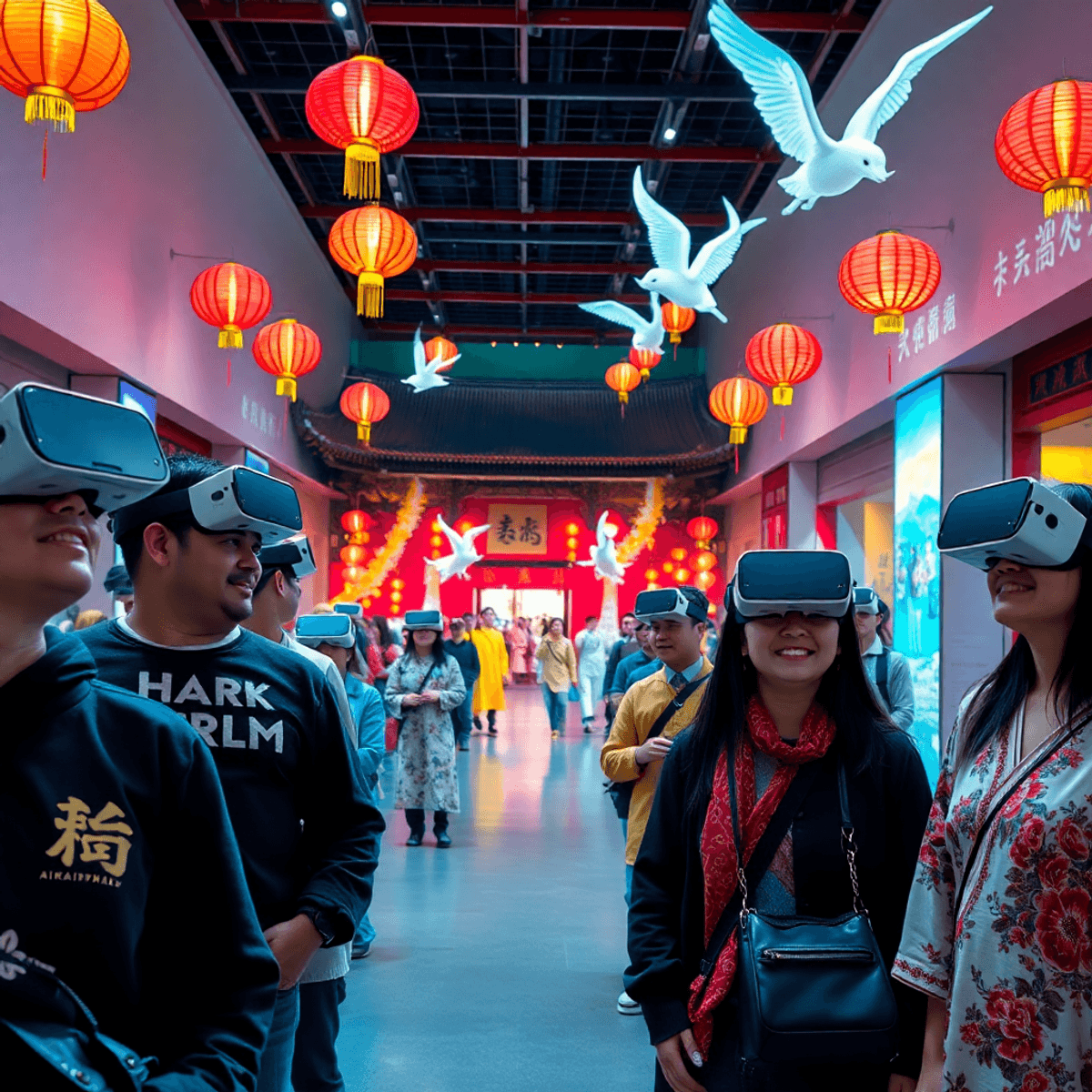
The Xixia Imperial Tombs Museum is a remarkable World Heritage site located at the foot of Helan Mountain in Yinchuan, Ningxia Hui Autonomous Region. It preserves the legacy of the Xixia Dynasty (1038-1227), offering a rare glimpse into one of China’s historically rich yet less explored civilizations.
What makes this museum unique is its groundbreaking use of VR headset technology to create an immersive virtual reality experience. Visitors wear VR headsets that transport them over 1,000 years back in time, allowing them to explore lifelike recreations of ancient streets, cultural events, and everyday life during the Spring Festival of the Xixia era. This innovative combination of technology and culture transforms traditional museum visits into exciting journeys through history.
This blog explores how the Xixia Imperial Tombs Museum utilizes VR to enhance cultural tourism development by:
You will discover how this integration of virtual reality with live cultural elements redefines what it means to explore heritage sites today.
The Xixia Dynasty (1038-1227), also known as the Western Xia, was a powerful kingdom established by the Tangut people in what is now northwest China. It existed at the same time as the Song Dynasty (960-1279), which ruled over much of central and southern China. The relationship between these two dynasties was complex, with periods of conflict, diplomacy, and cultural exchange. This coexistence led to a rich interaction of ideas, customs, and artistic traditions.
The Xixia Dynasty was centered near the Helan Mountain range in present-day Yinchuan, Ningxia Hui Autonomous Region. This strategic location made it a meeting point for various ethnic groups and trade routes connecting Central Asia with inland China. The region’s unique cultural environment encouraged a vibrant mix of influences from Han Chinese, Tangut, Tibetan, Uighur, and Mongol peoples.
The Xixia Imperial Tombs challenge the common stereotype of ancient tombs as mere “earthen mounds.” These burial sites reveal elaborate construction techniques and artistic achievements that reflect multi-ethnic coexistence and cultural fusion in China 1000 years ago. The tombs are not only archaeological treasures but also symbols of ethnic diversity and cultural integration during the dynasty’s rule.
Key features demonstrating this rich heritage include:
The tombs stand as enduring evidence of the Xixia Dynasty’s role in bridging different cultures. Visitors to the museum gain insight into a period where diverse ethnic groups shaped a shared cultural landscape—far beyond simple historical artifacts or isolated ruins.
The Xixia Imperial Tombs Museum offers a unique walk-and-watch museum experience by transforming a 300-meter corridor into a vivid street scene from a millennium ago, capturing the festive spirit of the Spring Festival. This immersive setting recreates the dynamic atmosphere of ancient marketplaces bustling with merchants, performers, and townsfolk, providing visitors with an authentic glimpse into daily life during the Xixia and Song dynasties.
Visitors don a VR headset to enter this reconstructed world, where technology and tradition merge seamlessly. The centerpiece is an elaborate immersive performance titled “Xixia Musical Gathering”, which brings to life celestial figures known as Flying Apsaras—inspired by ancient murals—and traditional musical acts. Through synchronized lighting, mist effects, and surround sound, these performances transcend simple observation, allowing visitors to feel enveloped by history.
Interaction deepens through historical character role-playing. Actors dressed in meticulously recreated costumes from both the Song and Xixia periods engage directly with guests. These performers not only reenact historical scenes but also invite visitors to participate in dialogues and cultural rituals, making history tangible rather than distant. This live element bridges the gap between static exhibits and living culture.
Cultural immersion extends beyond observation and interaction to hands-on experiences featuring traditional games such as:
These activities encourage visitors to step into the shoes of people from 1,000 years ago, fostering a deeper appreciation of their customs and leisure pursuits.
This combination of VR technology, immersive theater, live role-playing, and participatory games transforms museum visits into multi-sensory journeys. The experience not only educates but also entertains by making ancient culture accessible and engaging for all ages, especially younger generations who are more accustomed to interactive digital media.
Museums across China are increasingly blending technology and culture to engage visitors, creating dynamic environments where history comes alive. By combining immersive theater productions with advanced VR technology, museums are transforming the way audiences experience heritage, making learning both enjoyable and memorable.
At the Xixia Imperial Tombs Museum, VR headsets allow guests to travel back over 1000 years, offering a unique time-travel experience that surpasses traditional exhibit viewing. Visitors don’t just observe artifacts; they enter a vividly reconstructed world filled with interactive performances and cultural activities. This approach amplifies audience enjoyment by activating multiple senses—sight, sound, and touch—while deepening educational impact through active participation.
Other institutions in China have adopted similar technologies to enhance museum experiences:
These examples highlight a common goal: leveraging cutting-edge tools alongside cultural storytelling to make traditional heritage relevant for modern generations. Younger visitors often find standard exhibits static or distant, but immersive technology breaks down those barriers by transforming museums into engaging playgrounds of discovery.
Several benefits arise from this combination of VR and live performance:
This fusion addresses a critical challenge in museum education—how to sustain interest in historical subjects among tech-savvy youth. By integrating entertainment with cultural depth, museums cultivate appreciation and understanding without sacrificing scholarly integrity.
The success of the Xixia Imperial Tombs Museum demonstrates the potential of immersive theater productions in museums throughout China. Visitors do not merely view history; they live it. This shift redefines museum visitor engagement by combining authentic cultural representation with innovative technological platforms.
The earthen mounds stereotype of Xixia tombs has long shaped public perception, often reducing these significant sites to mere archaeological curiosities. The Xixia Imperial Tombs Cultural Tourism Development Co., Ltd. actively challenges this limited view by transforming the museum into a vibrant cultural hub. Their immersive performances and interactive exhibits breathe new life into the tombs, presenting them as living testaments to a rich historical and cultural legacy.
These innovative efforts at the Xixia Imperial Tombs Museum demonstrate how immersive experiences can reshape how historical sites are perceived, inviting visitors to appreciate their cultural vitality rather than viewing them solely as archaeological remnants.
Spring Festival celebrations at museums have taken on a vibrant new form, transforming static exhibition spaces into dynamic cultural playgrounds. Across China, institutions increasingly embrace immersive and interactive activities that invite visitors to participate actively rather than passively observe.
These activities enhance cultural tourism by making history tangible and entertaining. Visitors do not just see artifacts behind glass; they step into reconstructed worlds where senses and emotions connect them to bygone eras.
Such approaches align with growing public demand for meaningful cultural experiences during holidays. Museums have become venues where tradition meets innovation, appealing especially to younger generations who seek engaging ways to connect with their heritage.
The nationwide adoption of these immersive strategies reflects a broader shift toward experiential museum tourism during major festivals. By embedding festive themes into exhibitions, museums amplify their cultural relevance while boosting visitor numbers during peak seasons like the Spring Festival. This trend reinforces museums’ roles as lively community hubs fostering both education and celebration.
Zhang Wanjing, a researcher at the Ningxia Academy of Social Sciences, offers valuable observations on the evolving role of museums like the Xixia Imperial Tombs Museum. The museum’s use of VR technology enables guests to travel back over 1000 years, transforming historical education into a vivid and immersive experience. This approach reflects broader cultural shifts fueled by rising living standards across China.
“When cultural relics meet the festive air of the New Year, the immersive experience becomes an essential part of the Spring Festival holiday,” Zhang notes.
The success of these approaches depends on carefully balancing authenticity with entertainment value. The Xixia Imperial Tombs Museum’s strategy of combining VR with live performances exemplifies this balance, making history accessible without diluting its significance. Visitors can engage directly with ancient customs and stories rather than passively viewing displays.
Zhang’s perspective underscores that modern museum experiences must resonate emotionally as well as intellectually. By fostering this connection, institutions like the Xixia Imperial Tombs Museum contribute to sustaining cultural identity in a rapidly changing society.
The integration of VR technology with live performances at the Xixia Imperial Tombs Museum marks a significant advancement in how historical sites engage visitors. This innovative approach allows you to step back over 1000 years and witness the vibrant culture and daily life of the Xixia Dynasty firsthand.
Key benefits include:
The Xixia Imperial Tombs Museum sets a compelling example of how technology can revitalize ancient history, encouraging you to explore this World Heritage site not just as a visitor, but as an active participant in China’s rich cultural tapestry. Experiencing this blend of technology and tradition provides a refreshing perspective on heritage preservation and cultural education. Plan your visit to immerse yourself in this time-travel journey—where the past comes alive through the power of VR.
The Xixia Imperial Tombs Museum is significant as a World Heritage site because it preserves the rich cultural fusion and ethnic diversity of the Xixia Dynasty (1038-1227), showcasing its historical relationship with the Song Dynasty and its unique geographic setting near Helan Mountain in Yinchuan, Ningxia Hui Autonomous Region.
The museum employs VR headsets and immersive theater to transport visitors back over 1000 years, recreating bustling street scenes during Spring Festival holidays, traditional performances like ‘Xixia Musical Gathering’ featuring Flying Apsaras, and interactive role-playing with actors in traditional costumes, thereby providing a unique cultural and educational experience.
Visitors can engage in role-playing opportunities with actors from the Song and Xixia dynasties, participate in traditional games such as pitch-pot and archery, and enjoy immersive performances that bring historical characters and cultural events vividly to life through VR technology.
Combining cutting-edge VR technology with live immersive performances has significantly increased audience enjoyment and education. This approach helps younger generations connect with traditional culture in entertaining ways, challenges stereotypes about historical sites, and aligns with broader trends seen in museums like Qinghai Provincial Museum and National Maritime Museum adopting similar digital innovations.
Through immersive VR experiences and dynamic cultural performances, the museum shifts public views from seeing tombs as mere archaeological sites to recognizing them as vibrant cultural hubs. This transformation has contributed to rising visitor numbers especially during peak holiday seasons like the Spring Festival.
Festivals such as the Spring Festival inspire museums nationwide—including the Xixia Imperial Tombs Museum—to host themed immersive activities like ancient commerce simulations and sacrificial ritual reenactments. These celebrations enrich cultural tourism by creating festive atmospheres that integrate traditional relics with engaging social events, attracting more visitors and fostering deeper cultural appreciation.