Time Pavilion, a VR Heritage Museum in Baku’s Old City, Recreates the Streets of 1919
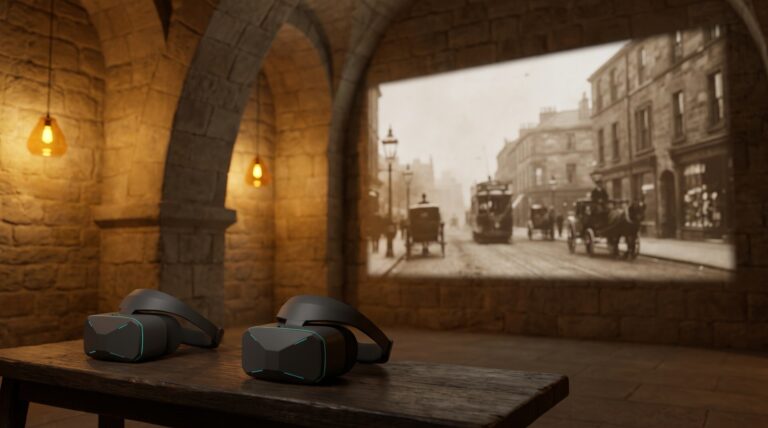
Time Pavilion opened on 19 October 2026 in Icherisheher, Baku's walled old city. Its 40-minute virtual reality visit recreates the…
Read more...
Hero Zone: Where Social VR Meets Real-World Revenue -

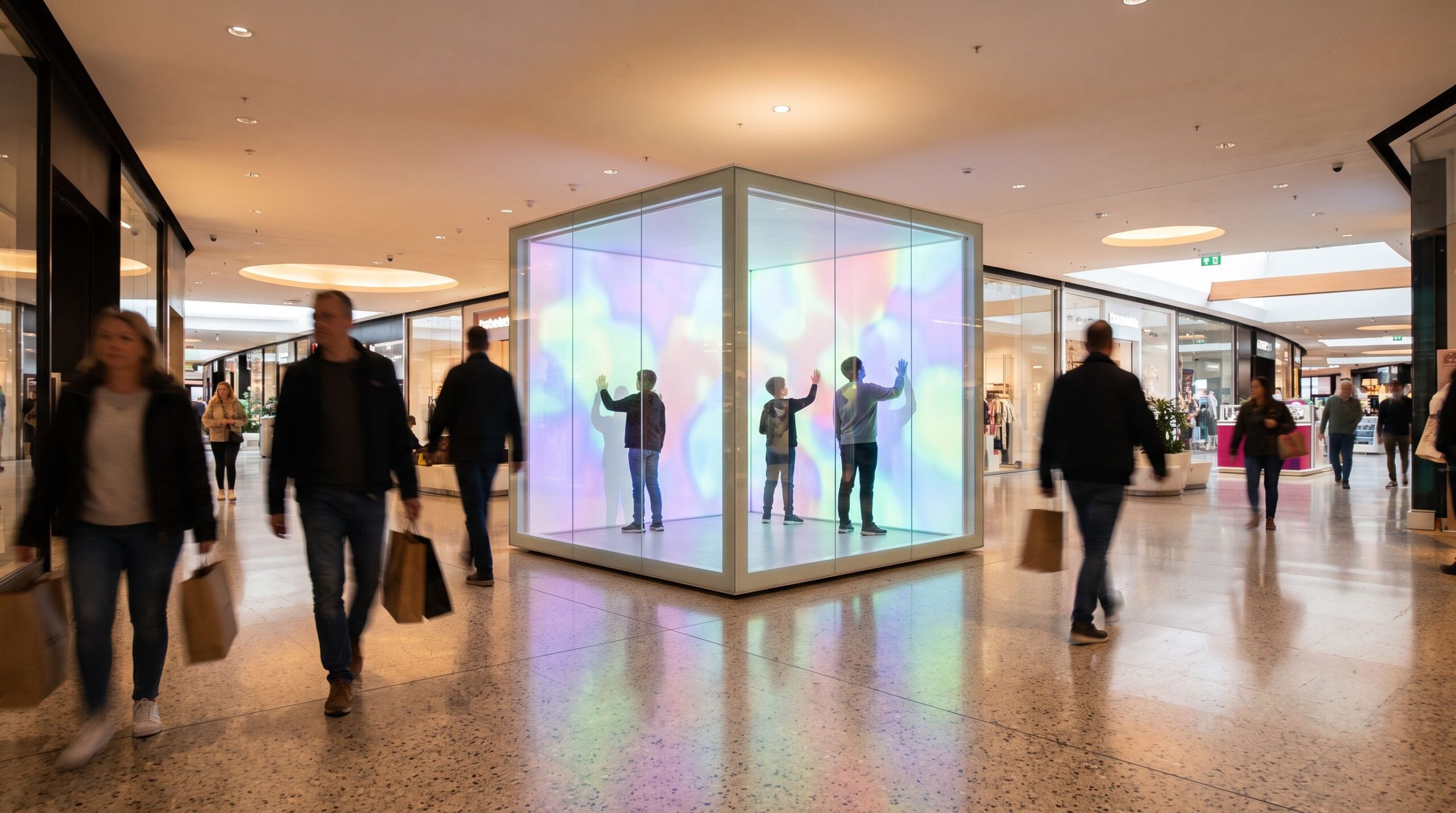
Immersive Gamebox has launched a self-service version of its product, a 150-square-foot plug-and-play unit that runs with no dedicated staff, and it changes the operating math for anyone weighing an immersive attraction. The unit holds two to six players and uses projection, touch-sensitive walls, and motion tracking, with no headsets and no controllers to hand out, clean, or reset between groups. For operators, that is the story: an attraction that a venue can drop into spare floor space and run as a walk-up or pre-booked concession, rather than a staffed installation that needs a trained attendant on the clock all day.
The self-service unit is designed to go live in days and to operate without a dedicated staff member standing at it. Players walk up or pre-book, and the system runs the session. That removes the single biggest recurring cost and scheduling headache in most location-based attractions, which is the labor to run them. It also removes the headset entirely: nothing to sanitize, nothing to fit to a guest, nothing to break in a guest’s hands.
“Our new concession model gives venue partners a straightforward way to introduce a premium interactive attraction that fits seamlessly into their existing offer,” said Lisa Paton, CEO of Immersive Gamebox. “It’s quick to install, easy to operate and gives guests another exciting reason to visit, whether they’re spending the day with family, meeting friends or looking for something new to do.”
The footprint is small enough, at 150 square feet, to fit where a staffed attraction could not justify the space.
Immersive Gamebox is positioning the self-service unit for venues that already have footfall and want an attraction without adding an operating team: family entertainment centers, cinemas, malls, airports, bowling alleys, arcades, and cruise terminals. The common thread is a captive flow of people and dead floor space that a walk-up unit can turn into revenue. For a cinema or a bowling alley, a 150-square-foot box that runs itself is a different proposition from a headset-based free-roam room that needs its own staff, its own footprint, and its own booking flow. It is closer to a photo booth or an arcade cabinet in how it is run, and closer to a full attraction in what it delivers.
The self-service model is aimed at the operator who liked the idea of an immersive attraction but could not carry the staffing or the space. For that operator, the questions to press on are the ones the announcement does not settle: the price per play, the unit cost or lease terms, and how the revenue split works, because a staffless unit only pays off if the economics of the box beat the economics of whatever else that 150 square feet could do. For dedicated immersive operators, the model is worth watching as a sign that the category is splitting into staffed, high-end experiences on one side and drop-in, run-itself units on the other. LEXRA members compare notes on attraction formats and unit economics through the community at lexra.org.

What is Immersive Gamebox’s self-service model?
A 150-square-foot plug-and-play immersive unit for two to six players that runs without a dedicated staff member. It uses projection, touch-sensitive walls, and motion tracking, with no headsets or controllers.
How is it different from a headset-based attraction?
There are no headsets or controllers to fit, clean, or reset, and no attendant required. Guests walk up or pre-book, and the unit runs the session itself, which lowers the labor cost and the space needed.
What venues is it for?
Immersive Gamebox is positioning it for family entertainment centers, cinemas, malls, airports, bowling alleys, arcades, and cruise terminals, venues that already have footfall and unused floor space.
How much does it cost to run or install?
The available coverage does not state the price per play or the unit cost and lease terms. Confirm those before reporting them.
Why does the self-service model matter for the industry?
It points to the immersive attraction category splitting into staffed, high-end installations and drop-in units that run themselves, giving operators a lower-commitment way to add an attraction.