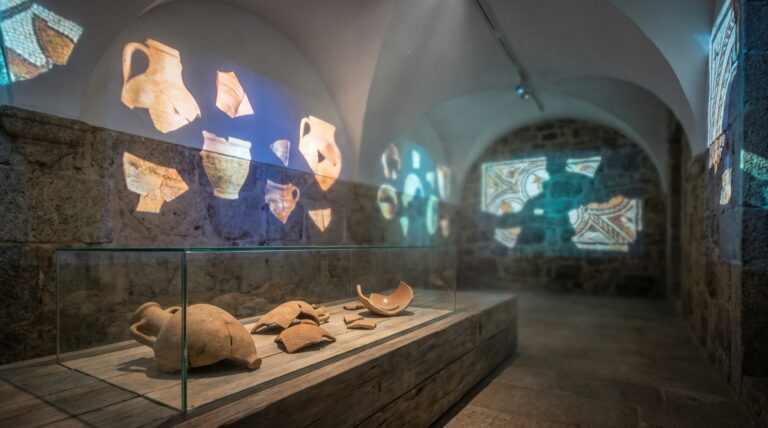
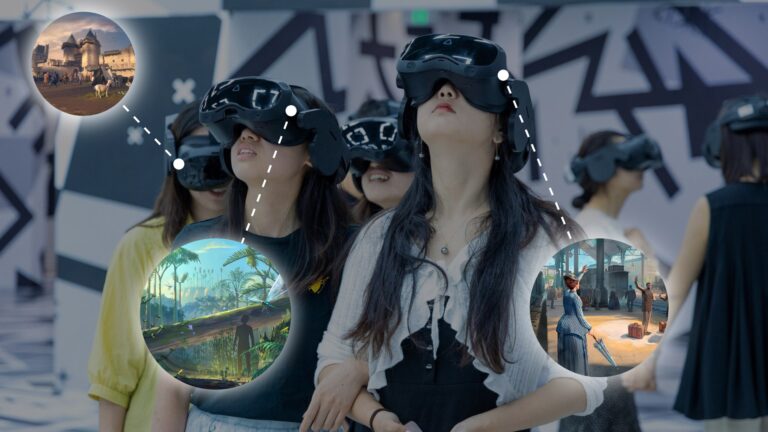
Factory International Stages Ian McKellen in Mixed Reality Theatre Play An Ark at £31.50 and £36.50

Factory International will stage An Ark, the mixed reality play starring Ian McKellen, at Aviva Studios in Manchester from 27…
Read more...
Hero Zone: Where Social VR Meets Real-World Revenue -

In a neural-network analysis, researchers at the Institute of Science Tokyo ranked emotional connection the top predictor of engagement with a regional museum’s digital exhibit. Their study appeared online on 18 June 2026 in the ACM Journal on Computing and Cultural Heritage.
The team surveyed 266 people about a digital exhibit at the Ryushi Memorial Museum in Ota City, Tokyo. Yaotian Ai, Xinru Zhu and Kayoko Nohara wrote the paper, Understanding Digital Cultural Engagement in Regional Museums by Integrating UTAUT2 and Experiential Authenticity.
“Our findings offer a new direction for regional museums seeking to maximize cultural impact with limited resources,” said Ai, a former doctoral student at Science Tokyo and the paper’s first author.
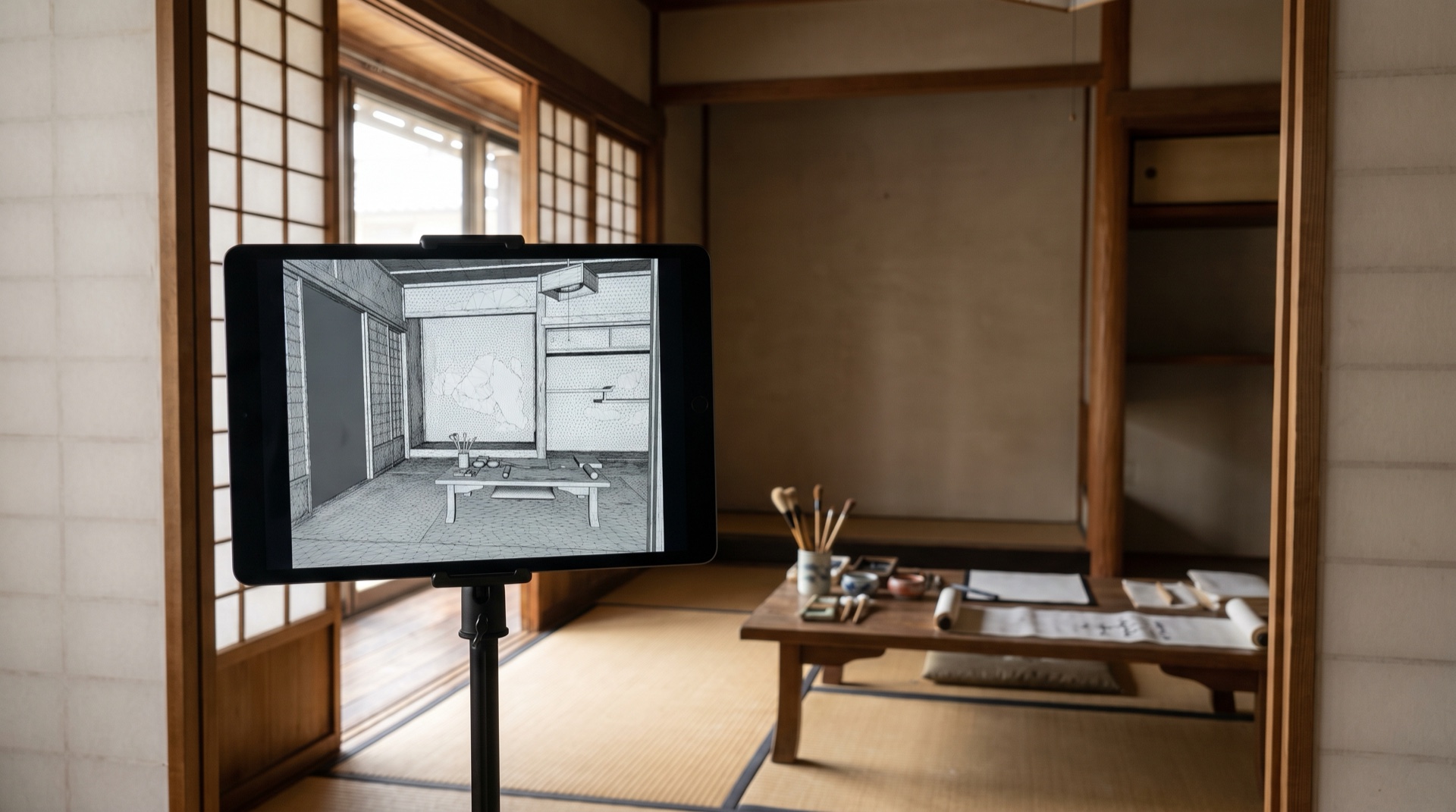
The painter Ryushi Kawabata founded the museum in 1963. The team scanned two of its spaces: his Atelier and the Jibutsudo, a family hall for worshipping Buddha. They used photogrammetry and the LiDAR sensor on an iPad Pro.
Museum volunteers and staff then co-designed the exhibit. They chose its points of interest, such as Ryushi’s paints and brushes and the spot where he wrote his diary. The team published the models on Sketchfab, a web-based 3D viewer, and described the build in a 2025 paper. The Jibutsudo model is still online.
The researchers built on UTAUT2, a model used to predict whether people will adopt a technology. The four UTAUT2 factors are usefulness, ease of use, social influence and enjoyment. The team added three kinds of authenticity. Original authenticity is the historic value of the objects. Interactive authenticity is how realistic the digital exhibit felt. Emotional authenticity is a felt connection to the museum and the local community.

Of the 266 respondents, 67 answered in person and 199 online. They rated statements on a five-point scale.
In the study’s structural model, enjoyment (0.211) and social influence (0.201) had the strongest direct effects. Emotional authenticity acted on engagement indirectly, through those two factors.
The researchers also ran a neural-network analysis. It ranked emotional authenticity, the felt connection to the museum and the local community, the most important predictor, with an importance score of 0.218.
In interviews, respondents said the exhibit reminded them of guided tours. It also helped them picture life in the recreated spaces.
“These findings suggest that successful digital strategies for regional museums should prioritize emotionally resonant experiences that connect visitors with local stories, memories, and community identity, rather than solely focusing on technological functionality,” said Ai.
The study covers one museum and one digital exhibit. Its results come from a self-reported questionnaire. The exhibit is a set of scanned 3D models of two spaces.
Directors of regional museums have one measured case in which emotional connection was the top-ranked predictor of engagement with a digital exhibit. Exhibit studios have a documented method. Museum volunteers and staff chose the content, and the team captured the spaces with photogrammetry and an iPad Pro.
What did the Science Tokyo study find about regional museum digital exhibits? A neural-network analysis ranked emotional authenticity, a felt connection to the museum and the local community, as the most important predictor of willingness to engage. Enjoyment and social influence had the strongest direct effects in the study’s structural model.
How many people did the Science Tokyo study survey? 266 people, 67 in person and 199 online. The exhibit was at the Ryushi Memorial Museum in Ota City, Tokyo.
How was the Ryushi Memorial Museum digital exhibit built? The team scanned the painter’s Atelier and the Jibutsudo with photogrammetry and an iPad Pro’s LiDAR sensor. Volunteers and staff co-designed the content, and the team published the models on Sketchfab.
Where was the study published? In the ACM Journal on Computing and Cultural Heritage, online on 18 June 2026. The authors are Yaotian Ai, Xinru Zhu and Kayoko Nohara of the Institute of Science Tokyo. Its DOI is 10.1145/3811917.