Miners Landing Built a $25 Mixed Reality Dark Ride Into Unused Space on Pier 57
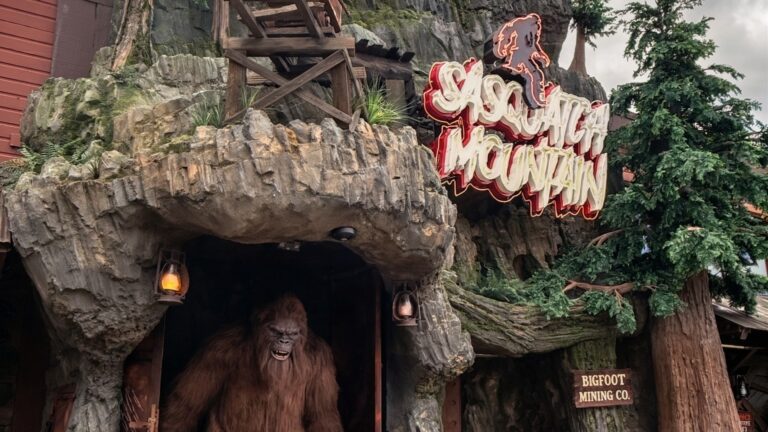
Miners Landing has run Sasquatch Mountain on Seattle's Pier 57 since 3 April 2026. The Bigfoot hunt uses VR headsets…
Read more...
Hero Zone: Where Social VR Meets Real-World Revenue -

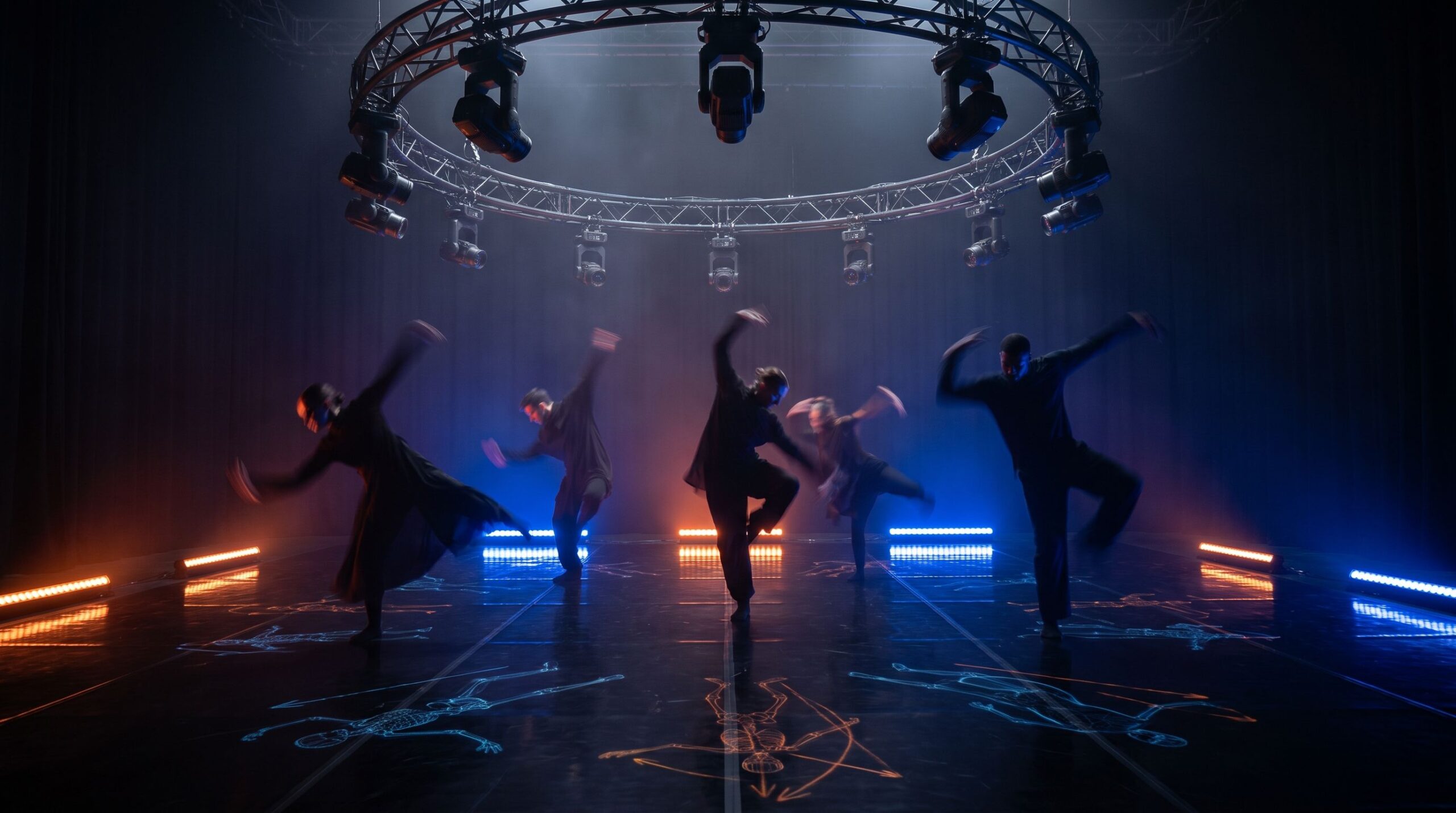
Sony opened NARUTO Music Dancer at Tokyo Joypolis on July 24 2026 as a permanent attraction that tracks up to five players with no markers and no wearable sensors, using eight overhead cameras and Sony’s own AI-driven motion capture. Players use the Naruto license, pay around 1,000 yen for a session of roughly five minutes, and step in and out without any of the strap-on trackers that most multiplayer motion attractions still require. For operators and content partners, the tracking is what carries beyond this one attraction: Sony is using a marquee location-based installation as a public test of markerless motion capture it can pair with other properties and place in other venues.
The system reads players from eight overhead cameras paired with AI that analyzes skeletal data in real time, with no markers on the body and no controllers or sensors to hand out. The capture can recognize more than ten people at once; the five-player cap comes from the size of the booth, not the technology. That is the operational difference. A markerless motion tracking attraction removes the fitting, cleaning, and failure points that come with wearable trackers, and it lowers the friction of getting a group in and out, which is where throughput is won or lost at a busy venue. A session runs about five minutes for roughly 1,000 yen, the kind of short, repeatable, walk-up format that suits high-traffic urban entertainment floors like Joypolis.
Sony Marketing has framed NARUTO Music Dancer as a litmus test for its location-based entertainment division, its IP collaborations, and its plans to expand overseas, and calls it the first full-scale commercial deployment of its own markerless motion capture. “Using our track record at Joypolis as a springboard, we are looking at collaborations with other IPs and overseas expansion,” said Tomohiro Naito, head of the Business Development Center at Sony Marketing. That framing is the reason the attraction is worth an operator’s attention beyond the novelty. Sony has the tracking technology, the platform ambition, and the IP relationships, and it is using a single Tokyo installation to prove the combination before scaling it. The Naruto license supplies the draw, but the transferable asset is the markerless capture system, which Sony can pair with other properties and place in other markets if the test performs.

For operators, a markerless five-player attraction from a company with Sony’s resources is a signal about where multiplayer tracking is heading: away from wearables and toward camera-and-AI systems that cut handling time. The open questions are the ones the coverage leaves unanswered, including whether Sony licenses the platform to other venues or keeps it in-house, and whether it travels outside Japan. For content and IP holders, Sony framing this as a test of its IP-collaboration model is the invitation to watch: if the format works with Naruto, the next question is which properties and which partners come after it. LEXRA members track tracking technology and IP-driven attractions through the community at lexra.org.
What is NARUTO Music Dancer?
It is a Sony attraction that opened permanently at Tokyo Joypolis on July 24 2026, tracking up to five players using eight overhead cameras and AI, with no markers or wearable sensors, themed on the Naruto license. A session runs about five minutes for roughly 1,000 yen, separate from Joypolis admission.
What makes the tracking notable?
It is markerless. Players are read from overhead cameras rather than strap-on trackers or controllers, which removes the fitting, cleaning, and failure points of wearables and speeds up getting a group in and out.
Why is Sony’s involvement significant?
Sony Marketing has described the attraction as a litmus test for its location-based entertainment division, its IP collaborations, and its overseas expansion, which suggests the markerless system is meant to travel beyond this one installation.
Will it come to venues outside Tokyo Joypolis?
The available coverage does not say whether Sony will license the platform to other operators or expand it internationally. Those points should be confirmed before they are reported.
Why does this matter to operators?
The transferable part is the markerless motion tracking, not the license. It points to a shift in multiplayer attractions from wearable trackers toward camera-and-AI capture, which affects throughput and handling costs.