How Big Should a VR Game Library Be? The Choice Overload Research Says Keep It Short
Operators ask whether to offer every VR game they can license or a short list they rotate. The choice overload…
Read more...
Hero Zone: Where Social VR Meets Real-World Revenue -

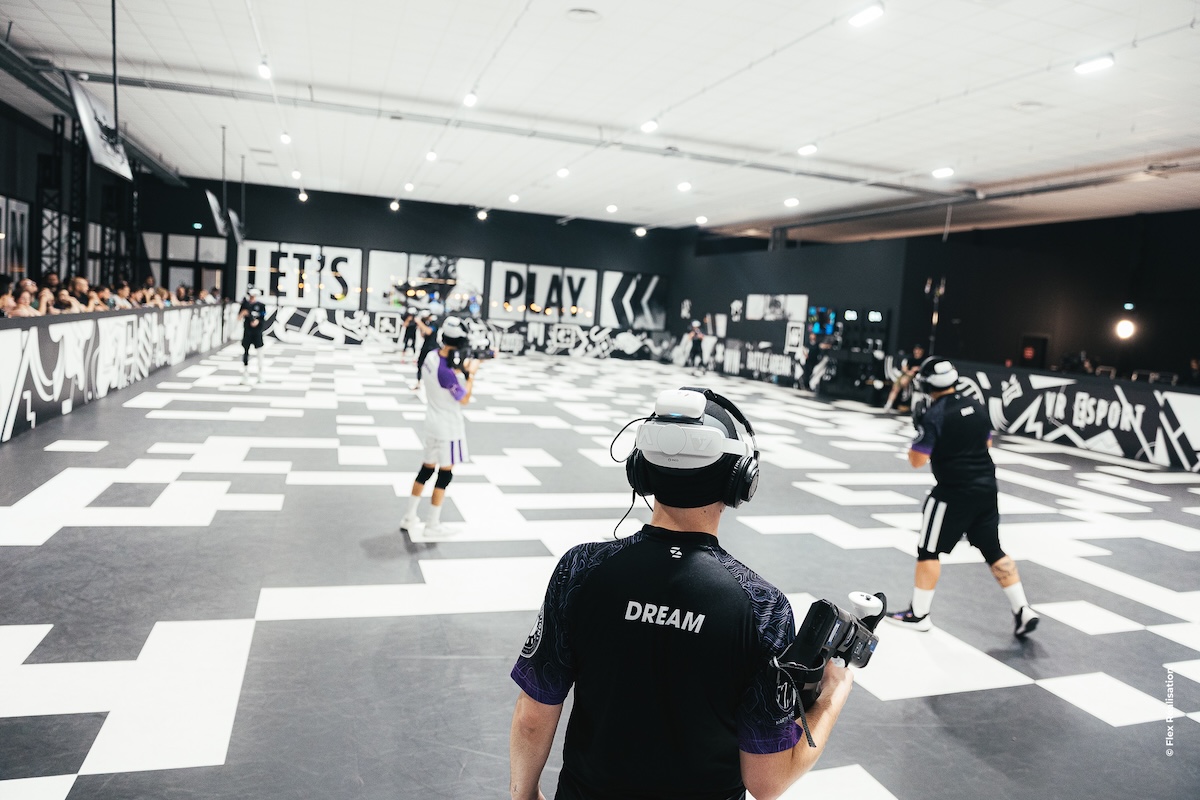
At 3pm on a Wednesday in September, the week kids went back to school from summer break, I walked into EVA’s flagship in Paris. Both arenas were full.
Every operator I know struggles to sell weekday afternoons. Esports Virtual Arenas has cracked the code on filling them. I’ve been following EVA since I interviewed Jean Mariotte, their founder, onstage at the VR Days Conference in Amsterdam in 2017. But I’d never been to one of their European locations. Since I was kind of in the neighborhood (Athens IS in the neighborhood from a global perspective), I decided to drop by their Paris flagship.
[Disclosure: EVA covered my travel expenses and other costs associated with the creation of this video.]
I spent a few hours there over two days, and it hit me why they’re successful. EVA isn’t running a VR arcade. They’re running the best example of an ecosystem business in location-based XR.
I didn’t even know what an ecosystem business was until I saw an article from Edge Magazine with an interview of Tim Sweeney, the founder of Epic Games. He says gamers used to play a game, finish it and move on to the next one. A serious gamer might get through ten big titles a year. Now more and more of them spend their time in one game they keep coming back to. Sweeney calls it “the emerging space of ecosystem games.” Fortnite is one. Roblox is one.
EVA is the location-based version.
Almost every location-based VR business plays the content volume game. Keep pushing out new titles and bet that people come back for fresh content, the way a movie theater does. The first question an operator asks a supplier is “how many titles do you have?”

It works to a point, then it leads to overload. Arcades that offer dozens, or even hundreds, of titles operate out of fear that if they eliminate one, they might lose a potential customer. Yet evidence shows that curating content works better. Most people don’t know what they want to play until they show up and are guided to a title by an employee.
I worked with an arcade owner in the UK a few years ago who was struggling with repeat business. I told him to narrow his content selection to 20 games and make sure that at least a few of the removals were in his top 20 list. He freaked out but did it.
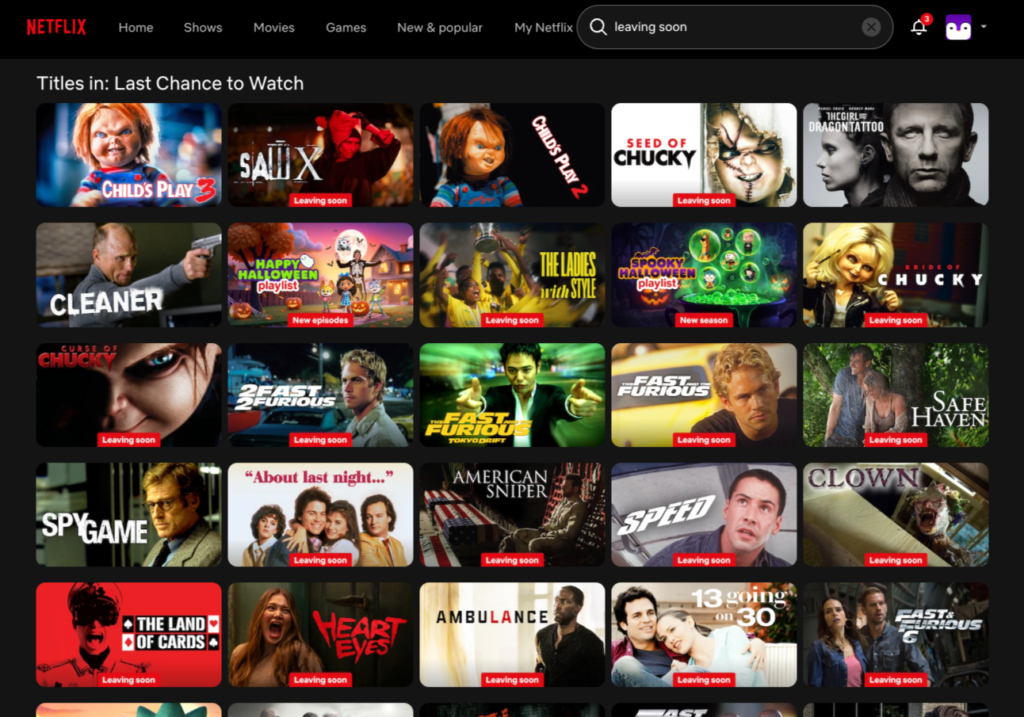
Sure enough, over the next year repeat visits increased. Every month he announced a new title, and that one was leaving. He even rotated those top games back in and out to create scarcity and FOMO. The strategy works. That’s why there’s a “Coming Soon” and a “Last Chance” category on the world’s leading streaming platform.
EVA took an entirely different and counterintuitive path to success. EVA built one great player-versus-player competitive game, Battle Arena, and kept investing in it for seven years now. New maps. Leagues. Tournaments. A professional esports league with some of the leading esports teams in Europe.
That took nerve. It means investing in the same game year after year while the rest of the industry chases new titles. Something interesting happens when a company shows they care about making something great. Players notice. And the commitment that EVA showed has been paid back in loyalty from a customer base unlike anything we’ve seen in the industry.
One great game, played every week, is worth more than a library of games played once.
Bob Cooney
Thomas Zalay, EVA’s head of communications, gave me a tour and explained their strategy in detail. It’s quite complicated, but elegant.
Seasons. In Fortnite, a season lasts a few months. Each one brings a new theme, changes to the map, and a battle pass full of skins and rewards you unlock by playing and leveling up. When the season ends, those rewards are gone, so players keep coming back to finish the pass before time runs out.
EVA launches new seasons twice a year with a new map, new skins, weapons, and characters. The more you play, the better you get, and the higher you climb the ladder, the more stuff you unlock. Members earn items nobody else can get, which in a world where digital collectibles drive FOMO, is a retention loop.
Subscriptions. The structural problem with VR esports in LBE is that sessions tend to be expensive. And if you want to progress your skill, you need to practice. A 40-minute session costs around €25 a player.
So EVA created subscriptions that bring the cost of a game as low as €10. Thousands of players pay a monthly subscription for up to 16 sessions a month. Most of those games get played off-peak, which is why both arenas were full when I walked in on a Wednesday afternoon. EVA is selling its excess inventory to its most loyal customers.
Leagues. EVA League has been running since late 2021. Teams pay an entry fee with subscribers getting deep discounts. A season comprises four tournaments across multiple venues. Teams get points based on how they finish in each tournament, and the top teams enter an end of year playoff.
Pro League. The EVA Pro League launched in April 2026 with eight of Europe’s biggest esports clubs: G2 Esports, Team Vitality, Team Heretics, SK Gaming, GiantX, Shifters, Solary and OG Esports. Each club plays out of a home EVA venue, such as Vitality in Marseille, Heretics in Madrid and SK Gaming in Cologne. Teams play four-on-four, best of three, and two teams can face each other from different venues at the same time, streamed live on Twitch. The season ran from April to October with a €50,000 prize pool, plus 25% of the revenue from league skin sales. The top four teams went to the final playoffs on 25 October for another €15,000.
OG Esports took the crown. More than 15,000 people watched live on Twitch with thousands more viewing on YouTube.
Each venue has a cyber bar, a gaming-themed bar that turns the place from an arcade into a gaming lounge. It’s a different vibe from any VR venue I’ve been to. It’s the ideal place for viewing parties of the pro-league tournaments. And it brings in the company parties: 30 to 35% of EVA’s business comes from corporate events.
So now you have esports, subscriptions, tournaments and leagues, digital skins, corporate events and a top-notch bar. That’s a lot of ingredients for one VR business, and it took a focused team that didn’t waver from the vision to put them together.
Only now, with the community infrastructure built, is EVA adding games. This year it launched its first new competitive title, Rabbids: Color Chaos, made with Ubisoft. Battle Arena is closer to Call of Duty; Rabbids is whimsical, and EVA aims it at families and at bringing more women into gaming. Thomas told me about a game where a grandmother of about 80 played alongside a seven-year-old, and it worked for both of them.
EVA is also working on a VR drift-kart system. I saw the prototype, they’re actually building their own custom karts so the integration is seamless. The arenas, which will play double duty as kart tracks, even have the walls lined with old tires for protection.
Each new game is a doorway for a new community to grow. Rabbids will draw a new customer profile. So will racing. There might be crossover, time will tell. If EVA puts the same commitment into each of these new games as they did with Battle Arena, they’re bound to find success.
EVA has more than 75 franchise sites in more than 10 countries, most of them in France. In May it closed a €35 million round from Raise Invest to keep expanding, after three consecutive profitable years. I wrote about how EVA raised €35M in the worst VR market in a decade at the time.
For operators, the lesson is depth. Before you add a tenth title, ask whether your best one gives people a reason to come back every week. For studios, it’s the same question from the other side. Build the game people want to get good at, then keep building it.
Here’s the full video from EVA’s Paris headquarters, on my Being Virtual YouTube channel.
If you’re running a venue and want to talk through what a retention loop looks like for yours, get in touch. And if you want more info on EVA, let me know.
Tim Sweeney’s term for a game players keep coming back to with their friends instead of finishing it and moving on. Fortnite and Roblox are his examples; EVA’s Battle Arena is the location-based version.
With subscriptions. A 40-minute session costs around €25 a player, and a monthly subscription of up to 16 sessions brings a game as low as €10. Subscribers play most of those games off-peak.
More than 75 franchise sites in more than 10 countries, most of them in France. It closed a €35 million round from Raise Invest in May 2026, after three consecutive profitable years.