Factory International Stages Ian McKellen in Mixed Reality Theatre Play An Ark at £31.50 and £36.50

Factory International will stage An Ark, the mixed reality play starring Ian McKellen, at Aviva Studios in Manchester from 27…
Read more...
Hero Zone: Where Social VR Meets Real-World Revenue -

Zero Latency has published The State of Location-Based VR 2026, a consumer study of 2,386 adults in the United States, Canada, Australia, France and Spain. Asked which entertainment experiences they are interested in, 93 per cent named virtual reality. Arcades followed at 62 per cent, bowling at 57 per cent and escape rooms at 55 per cent. Virtual reality ranked first in each of the three regions surveyed. The report is the second wave of a study Zero Latency first commissioned in 2023. The research agency Glow carried it out.
Zero Latency is a free-roam VR operator and supplier with more than 150 installations in 30 countries. The report is a vendor-commissioned study of demand for the category it sells into. The sample was recruited through an online panel: adults aged 18 to 54, balanced by gender. Respondents take part in an entertainment activity at least monthly and are aware of VR or immersive entertainment. Where the survey design changed between 2023 and 2026, the report compares rankings rather than scores.
Zero Latency reports that VR was the only major attraction whose appeal grew between the two waves. In 2023, 80 per cent rated it very or extremely appealing; in 2026, 93 per cent were interested. The reasons people give for booking changed over the same period. In 2023 trying new technology was the first-ranked motive. In 2026 it ranks fourth, behind thrill and excitement (36 per cent), a social experience with friends or family (35 per cent) and doing something new (34 per cent). The report describes this as the category moving from novelty to experience.

Expectations moved the same way. Asked what they expect from a VR experience, respondents put impressive graphics first at 42 per cent. The technology and venue came second at 38 per cent and great games third at 36 per cent. Great games ranked sixth in 2023; physical movement, third in 2023, now ranks sixth.
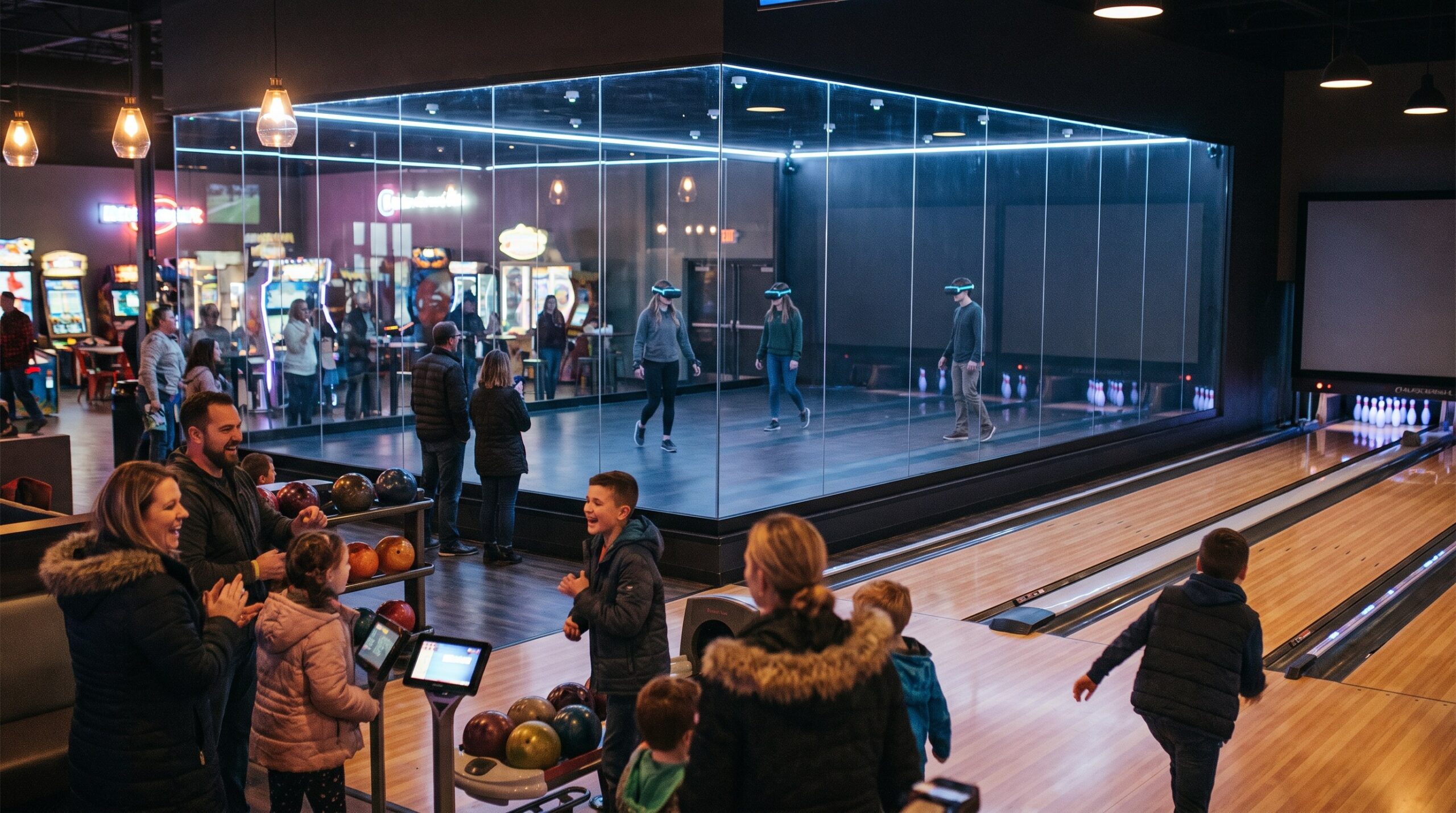
Respondents treat a virtual reality attraction as a group outing: 73 per cent would come with friends, 60 per cent with family and 52 per cent with a partner. About a third would ever play alone. Seventy-eight per cent prefer a venue that offers VR alongside other attractions. That splits between more VR experiences (40 per cent) and activities such as bowling and mini golf (38 per cent). Fifteen per cent want a standalone VR venue and 7 per cent have no preference. The report says North America leans furthest towards the mixed venue and Europe is the most open to a VR-dedicated one.
Interest is highest in households with a partner and children, at 94 per cent, and rises with income. The occasions respondents would visit for are social outings (70 per cent) and family days (63 per cent). Birthdays and celebrations follow at 52 per cent and corporate or team events at 35 per cent. Bob Cooney cited the 78 per cent figure in The VR Collective’s report on Sandbox VR’s opening in a former CVS, published on 13 August.
The pricing questions were asked in the United States only, for a 30-minute session. At $39, 57 per cent of respondents found the price appealing. At $49, appeal held at 52 per cent among households earning $100,000 or more. Among households under $60,000 it was 34 per cent. Asked which offers would most make them book, respondents ranked longer play time first at 49 per cent. Group discounts came next at 47 per cent, then food and drink packages at 40 per cent and loyalty rewards at 37 per cent.
The barriers named were cost perception (51 per cent) and proximity (40 per cent), followed by the effort of organising a group. Europe reported the proximity barrier most, at 45 per cent; North America and ANZ reported booking friction more often.
Respondents find things to do through social media (44 per cent), Google search (42 per cent) and friends and family (41 per cent). YouTube or TikTok follow at 34 per cent. Twenty-seven per cent now use AI tools such as ChatGPT, a channel that did not appear in the 2023 wave. The report says that share is level across all three regions.
“This research aligns with the recent increase in Google searches for VR near me, which have risen sixfold since the beginning of the year. Location-based XR has been an under-researched entertainment category. That’s something we are working on at LEXRA,” said Bob Cooney, a VR consultant and executive director of LEXRA, the trade association for location-based XR. Cooney publishes The VR Collective, which reported the “VR near me” search increase in July.
For operators, the report ranks longer play time above discounts as a booking incentive. It names cost perception and proximity as the two barriers respondents cite. For vendors, graphics quality is the first expectation and great games moved from sixth to third in three years. LEXRA members compare attraction mix and pricing data through the association at lexra.org.
What is The State of Location-Based VR 2026? A consumer study commissioned by Zero Latency and conducted by the research agency Glow. It surveyed 2,386 adults aged 18 to 54 in the United States, Canada, Australia, France and Spain. It is the second wave of a study first run in 2023 with 2,318 respondents across nine markets.
Which attraction do consumers say they want most? Virtual reality, at 93 per cent interested. Arcades followed at 62 per cent, bowling at 57 per cent and escape rooms at 55 per cent. It ranked first in North America, Europe and ANZ.
Do people want a standalone VR venue or VR with other attractions? 78 per cent prefer VR alongside other attractions. 40 per cent want more VR experiences and 38 per cent want activities such as bowling and mini golf. 15 per cent want a standalone VR venue.
How much will consumers pay for a VR attraction? In the US-only pricing questions, 57 per cent found $39 for a 30-minute session appealing. At $49, appeal was 52 per cent among households earning $100,000 or more and 34 per cent among households under $60,000.
How do guests find VR venues? Social media (44 per cent), Google search (42 per cent) and friends and family (41 per cent) lead. YouTube or TikTok follow at 34 per cent, and AI tools such as ChatGPT at 27 per cent.