Miners Landing Built a $25 Mixed Reality Dark Ride Into Unused Space on Pier 57

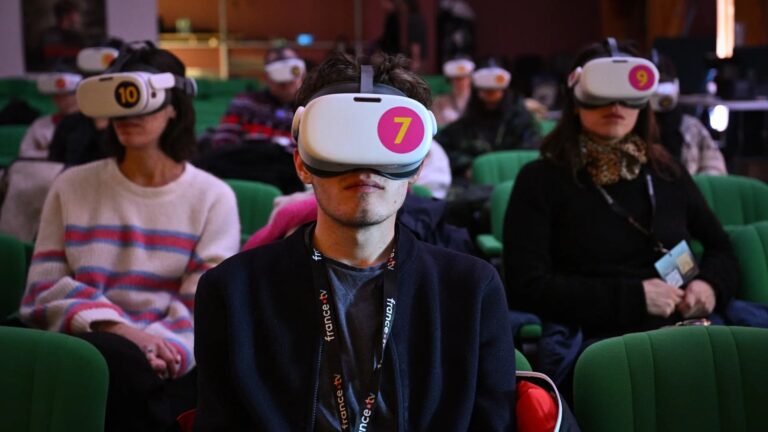
Miners Landing has run Sasquatch Mountain on Seattle's Pier 57 since 3 April 2026. The Bigfoot hunt uses VR headsets…
Read more...
Hero Zone: Where Social VR Meets Real-World Revenue -

ARVI, whose content library runs in hundreds of VR arcades worldwide, has opened a consumer channel for Dream Hackers. A dedicated site at dreamhackers-vr.com is live with a Steam wishlist and a “coming on Steam” listing, presenting the title to home headset owners as five missions, each described as taking more than an hour to complete. No release date has been announced.
For operators licensing VR arcade content, the question this raises is what an operator is buying when a title that also sells at home appears in the catalogue.
ARVI already publishes on Steam as ARVI VR INC, but the publisher page has long listed only the older The Last Day Defense VR, so the consumer catalogue has stood at one title. Dream Hackers is a different proposition: it is a flagship of the ARVI Launcher catalogue that arcades run, built as a connected story series rather than a standalone, and it is being marketed to home buyers with its own site and its own wishlist funnel.
That is a distribution decision by a studio whose revenue has come from venues, and ARVI is one of the larger LBE content libraries.
Exclusivity. Most arcade licensing implies, without always stating, that guests cannot get the experience anywhere else. A consumer edition of the same title changes what that clause is worth. The question to ask at renewal is whether your agreement says anything about consumer release, and what happens if it does not.
Windowing. Film and games both solved this with time. A venue window followed by a home release preserves the reason to visit while still monetising the catalogue later. Whether ARVI is windowing Dream Hackers deliberately or opening a second channel without a venue window is not stated anywhere in the available material, which makes it a question for your account manager at renewal.

What the venue version is for. A one-hour-per-mission narrative built for a supervised arcade session is a different product from the same story at home on your own headset, even when the software is shared. Free-roam space, physical props, staff-run onboarding and group play are things a living room cannot reproduce. Operators who can articulate that difference to a guest are in a better position than operators who were relying on scarcity.
ARVI is the third venue content business we have watched take this route. Escape-room specialist vrCAVE did it when it dropped a Quest game for consumers, we looked at what travels in the other direction in When a VR Arcade Studio Builds a Home Game, and the catalogue side of the same shift shows up in Octopod‘s titles migrating onto Synthesis VR. Three content businesses in the venue market have opened consumer channels inside a year, and none of it requires believing that home VR is eating location-based entertainment.
Read your content agreements before your next renewal and find out what they say about consumer release, because most of them predate the question. Then ask your suppliers whether a consumer edition is planned for the titles you promote hardest, since the answer affects how you market them. The venues that come out of this well will be the ones selling the room, the group and the operation around the content rather than access to the content itself. LEXRA members compare licensing terms and content strategy through the community at lexra.org.
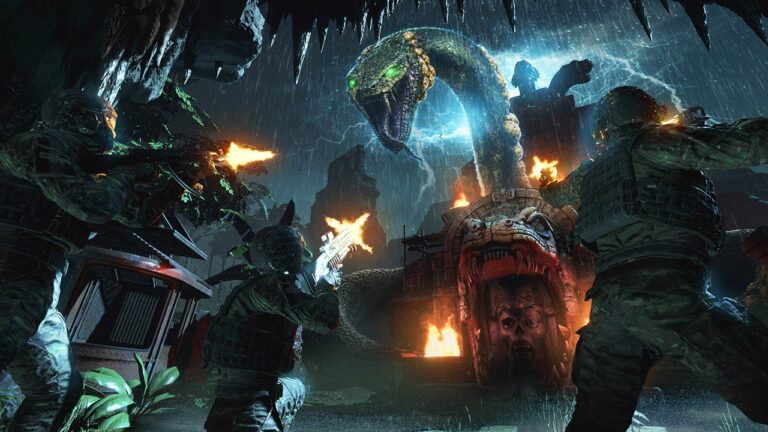
What is Dream Hackers?
A connected, story-driven VR series from ARVI, run in VR arcades through the ARVI Launcher catalogue. The consumer site presents it as five missions, each taking more than an hour.
Is Dream Hackers out on Steam?
Not yet. A dedicated site and a Steam wishlist listing are live, marked “coming on Steam,” but no release date has been announced.
Does this mean ARVI is leaving the arcade market?
Nothing in the available material says so. ARVI continues to release chapter content for venues, including Chapter 3, and no announcement describes a change of direction.
What should operators check in their licensing agreements?
Whether the agreement addresses consumer release of licensed titles, what exclusivity it grants, and whether any venue window applies before a home release.
Does a home version reduce the value of the arcade version?
It changes what the arcade version is selling. Free-roam space, physical staging, staff-run sessions and group play are not reproducible at home, but they have to be the pitch rather than exclusivity alone.