Miners Landing Built a $25 Mixed Reality Dark Ride Into Unused Space on Pier 57
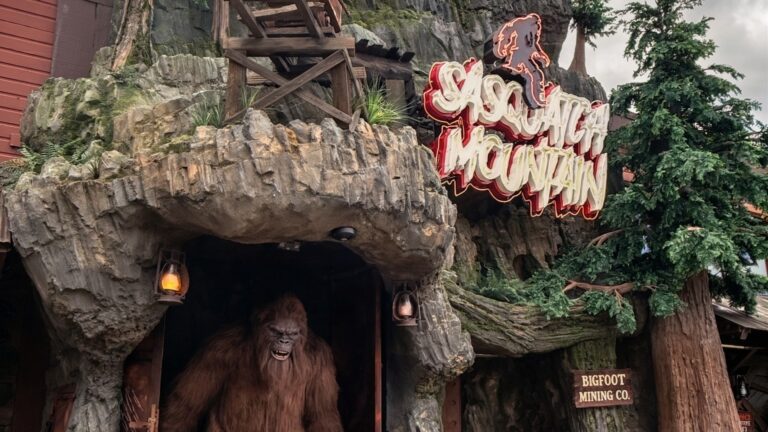
Miners Landing has run Sasquatch Mountain on Seattle's Pier 57 since 3 April 2026. The Bigfoot hunt uses VR headsets…
Read more...
Hero Zone: Where Social VR Meets Real-World Revenue -

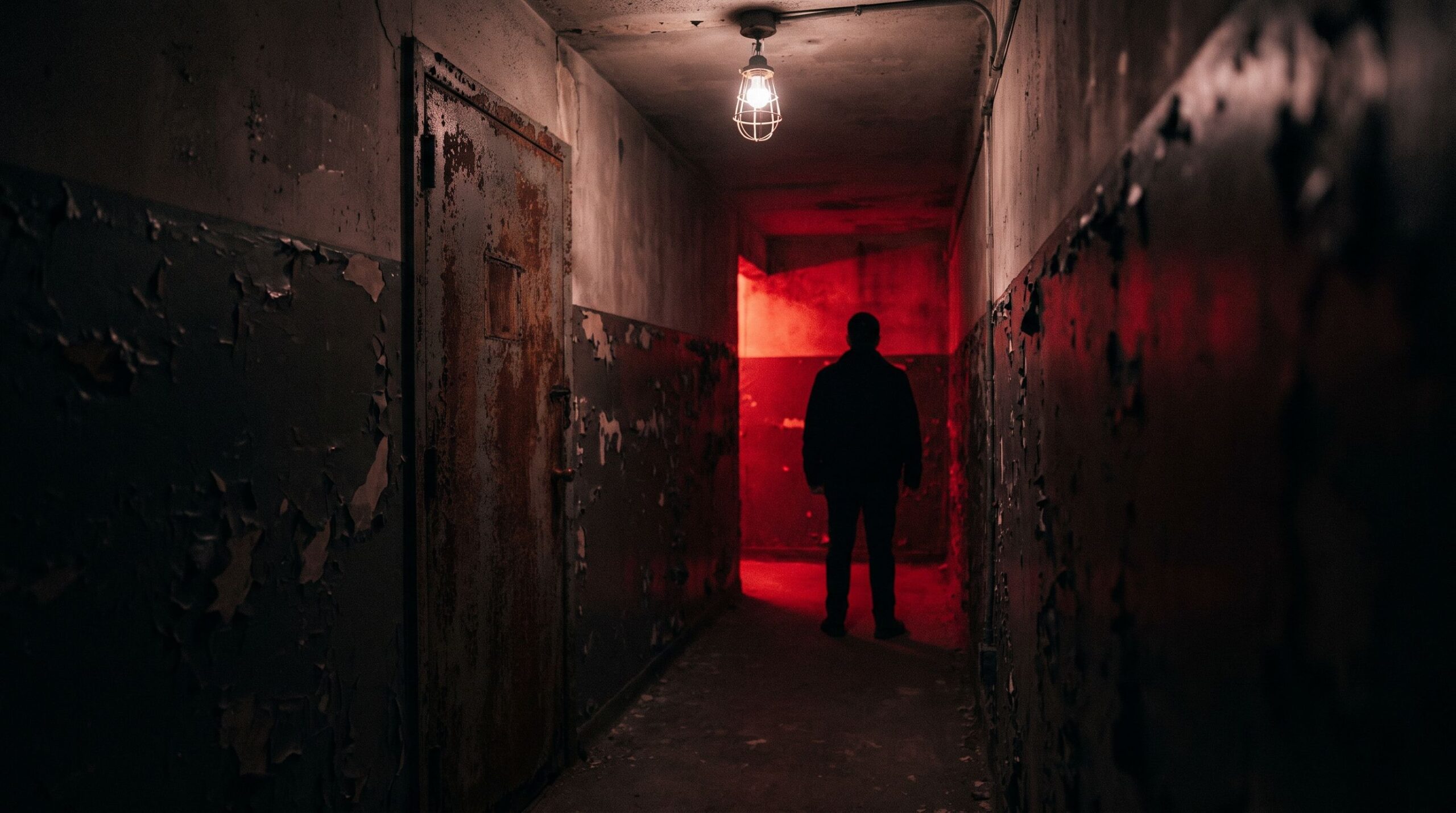
Universal Studios Japan will run Zanzō, also billed as Lights Out: Nightmare Isolation, from September 11 to November 8 as the first R-18, waiver-required attraction in the history of Halloween Horror Nights. Guests must be 18 or over, with no exceptions for accompanied minors, must sign a consent form, and must lock their belongings before entering. Tickets are ¥1,900 for the Stage 18 house, and the no-spoilers policy is enforced by ejection.
A mainstream theme park operator has decided the ceiling on horror intensity is higher than the industry has been assuming. In location-based VR the received wisdom runs the other way, and the VR horror attraction catalogue reflects it.
Ask around the venue business and you will hear that horror is done, that there are too many zombie games, that the category is saturated. Then look at what audiences are paying for. Horror had a strong 2026 at the box office, with ten horror releases crossing a combined billion dollars worldwide. Obsession took $287.1 million, Scream 7 took $207.9 million, Scary Movie $172.8 million and Send Help $94 million. That is a genre in demand.
If audiences keep buying horror at the cinema while operators believe their own horror content is played out, the problem is more likely to be the content than the appetite. We made the argument early in What Are You Afraid Of? VR Horror Is Ready, But Are Operators? in February 2025. Zanzō is a large operator answering the question eighteen months later.

An age gate at 18 with no guardian exception, a signed waiver, phones and bags locked away, and a spoiler policy backed by ejection are the operational cost of running something this intense, and USJ has decided the ticket demand justifies carrying them.
Most location-based VR horror sits well inside that boundary. Titles are built to be scary enough to sell and mild enough to run all day for mixed groups, which is a reasonable commercial choice and also the reason a catalogue of them starts to feel the same. The category that operators describe as saturated is one narrow band of it: multiplayer shooters with horror set dressing. There is a lot of room between that and what USJ is putting behind a waiver.
The counter-examples exist. Into the Dead: Crimson Heights showed what zombie IP looks like when the production values match the ambition rather than filling a catalogue slot. Zero Latency and its Slay Season run demonstrated seasonal horror working as a scheduling play, bringing lapsed guests back for a limited run. Both point the same direction: horror sells when it is made with intent, and stops selling when it is made to be available.
Most venue catalogues are short of narrative-led horror at an intensity that would need a waiver to run.
If you have written horror off as a played-out category, the question to test is whether you have tried harder horror or only more of the same horror. USJ’s Zanzō gives a benchmark for how far a mainstream operator will now go, and the waiver-and-lockers apparatus is the price of going there. If you are commissioning content, the brief that follows from this is narrative-led and intense rather than another arena shooter with fog. And if you run seasonal programming, September to November is the window a theme-park operator just claimed with an adults-only product. LEXRA members work through content and programming decisions together at lexra.org.
What is Zanzō at Universal Studios Japan?
An attraction also billed as Lights Out: Nightmare Isolation, running September 11 to November 8 in Stage 18, and the first R-18, waiver-required house in the history of Halloween Horror Nights.
What are the entry restrictions?
Guests must be 18 or over with no exception for accompanied minors, must sign a consent form, and must lock their belongings before entering. A strict no-spoilers policy is enforced by ejection.
How much does it cost?
¥1,900 for the attraction.
Does Zanzō use VR?
The published material describes it as a physical horror attraction rather than a headset experience. Its relevance to location-based VR is the intensity ceiling it tests.
Is VR horror saturated?
Venue operators frequently say so, while horror continues to perform strongly at the box office. The more defensible reading is that one narrow band of VR horror is crowded, and narrative-led, higher-intensity horror is not.