Miners Landing Built a $25 Mixed Reality Dark Ride Into Unused Space on Pier 57
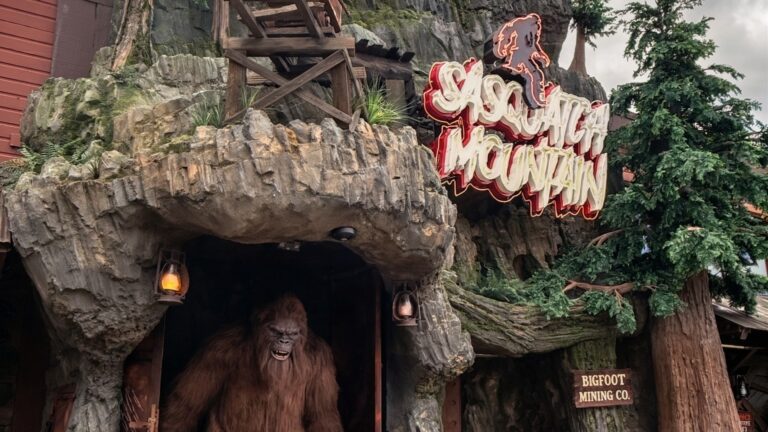
Miners Landing has run Sasquatch Mountain on Seattle's Pier 57 since 3 April 2026. The Bigfoot hunt uses VR headsets…
Read more...
Hero Zone: Where Social VR Meets Real-World Revenue -

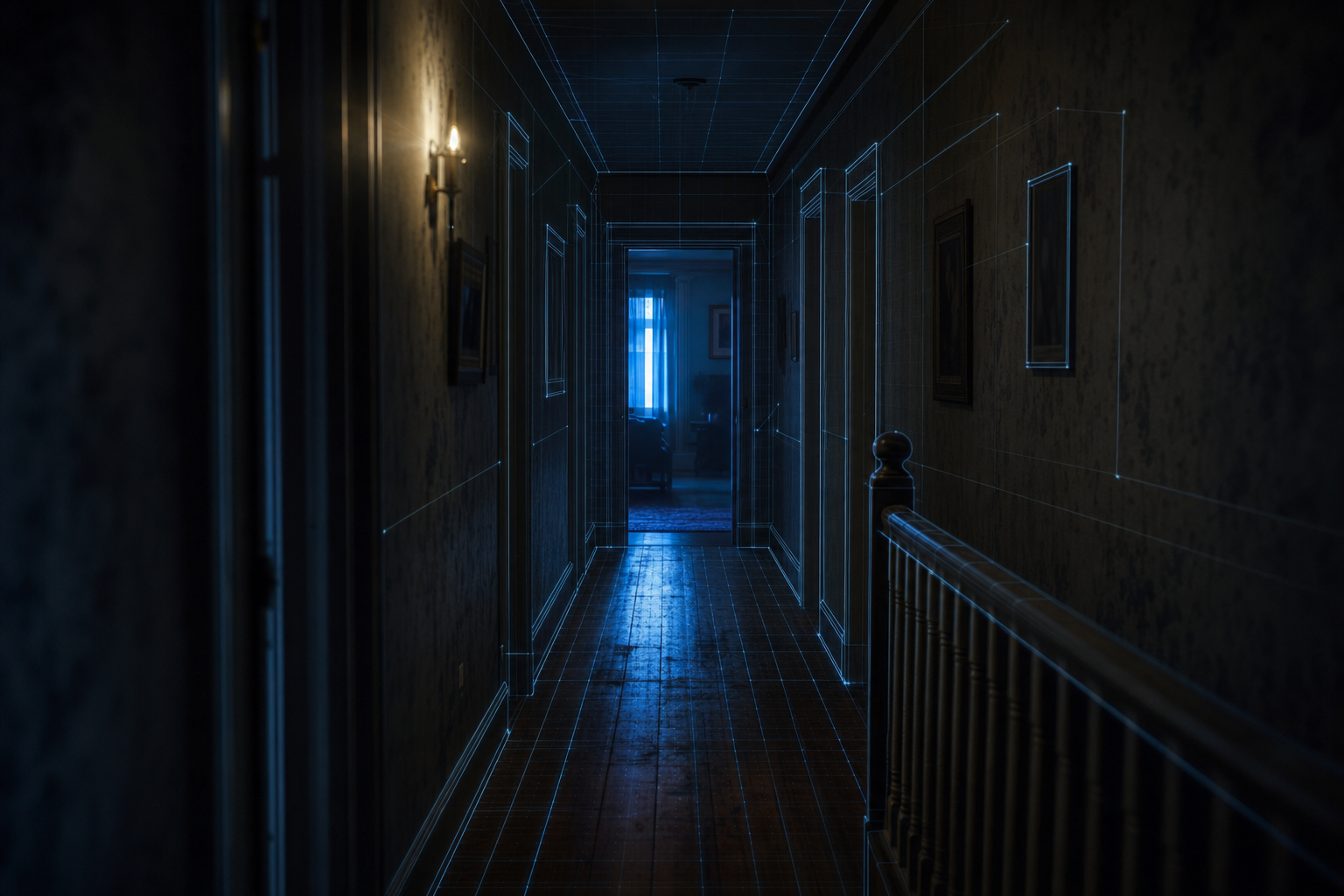
Bob Cooney’s Take – Rob Morgan wrote a piece on LinkedIn about a new horror game that’s doing something I’ve been waiting years for somebody to figure out. Into the Dead: Crimson Heights, from PIKPOK on the Quest, reads your actual room geometry and builds the experience around what’s in it. The walls of your apartment become the walls of the haunt. That’s a hint about where group VR experiences in LBE venues are headed, and operators running haunted attractions should be paying attention now.
Rob Morgan, the narrative designer behind a long list of immersive horror and VR projects, published a piece on LinkedIn this week breaking down a new mixed reality title, Into the Dead: Crimson Heights for Quest from PIKPOK, the New Zealand studio behind the long-running Into the Dead mobile franchise.
The game scans the room you’re standing in and uses your real geometry as the level. Your hallway is the hallway. Your couch is cover. The thing behind you is also part of the haunt. Every game is different because every location is different. Cool.
Horror has had a ceiling for a while. Once a player has done a level, they know where the jump scares live. Replay value drops fast. Operators running VR haunts at seasonal events know this. The first run is incredible. The second run is fine. The third run, the customer is laughing.
A title that rebuilds itself around the room solves part of that problem at the consumer level. Every player’s run is geometrically different. Your apartment in Brooklyn and my house in Tampa produce different haunts even though we’re playing the same content.

Bob’s Take – This is what replayability actually looks like. Variable outcomes driven by something the system can read fresh every time. Crimson Heights is reading the room. The LBE version of this idea reads the venue, the group, the time of day, whatever the operator wants to vary. The mechanic is the same. But the experience constantly changes.
This is the part Morgan’s piece points toward without quite saying. A consumer Quest game that adapts to room geometry is interesting. A purpose-built LBE experience that adapts to a venue’s layout, group composition, and operator-set parameters is a literal game changer.
Haunted attractions have run on fixed scripts for decades. The actors hit their marks, the scares fire on the same beats, and the layout doesn’t change between groups. That works at scale because throughput depends on predictability. But the ceiling on repeat visitation is real. Once a guest has been through the haunt, the second visit is rarely the same emotional experience.
A mixed reality or VR haunt that uses spatial awareness, AI-driven scare placement, and group-aware pacing could give an operator a way to refresh the experience without rebuilding the set. Same physical footprint. Different haunt every weekend, or every group. That changes the economics of seasonal content.
PIKPOK isn’t building for LBE, and Crimson Heights isn’t an LBE title. But the technique it’s demonstrating, real-time spatial adaptation as a horror mechanic, is the kind of thing platform companies like Univrse, Excurio, Wevr, Small Creative, and others are going to need to integrate into operator-facing tools if they want to serve the haunt category seriously.
The seasonal haunted attraction market in North America is enormous and largely separate from year-round LBE venues. Operators in that category have been adding VR rooms, escape-room-style overlays, and AR elements for years, with mixed results. The honest version is that most haunt operators have been burned at least once by tech that promised immersion but delivered downtime.
What makes the Crimson Heights approach interesting is that the tech is now mature enough on the consumer side to be doing this in someone’s living room. Headset-native spatial mapping. No backpack. No external sensors. The Quest is doing the work. Pico and HTC can handle it easily.
Cooney’s Take – Operators who have been waiting for the right moment to add a mixed reality horror component to a seasonal haunt: the underlying tech has crossed the threshold. The question is who builds the operator-grade version. Thousand Bit has been working in this category. PIKPOK could license its tech into LBE. A platform company could pick it up. None of that has been announced. But the capability is no longer hypothetical, and that matters for anyone planning the 2027 Halloween season.
Rob Morgan has been writing about narrative design in horror VR for years. He’s worked on titles across the category and knows the difference between a tech demo and a story mechanic. His read on Crimson Heights is worth taking seriously because he’s not selling the game. He’s pointing at what the spatial-adaptation technique unlocks for narrative horror.
The argument he’s making, and it lines up with what UploadVR documented in their walkthrough, is that horror works better when the player can’t separate the threat from their real surroundings. A monster in a fictional hallway is scary. A monster in your hallway, where you live, where the lighting and the layout match the place you sleep, is a different thing entirely.
Translate that to a venue. A monster in a generic horror set is scary. A monster in a haunt that adapts to the specific corridor the group is walking through, the way the group is moving, the way they reacted to the last scare, is a different thing. That’s where AI-driven content and spatial awareness intersect with operator economics.
The bigger industry question is who actually builds this for LBE.
Consumer studios like PIKPOK have no reason to license into venues unless someone makes the deal worth it. And their game isn’t going to be out until 2027 anyway. A lot can happen in that time. Platform companies serving LBE operators need to decide whether spatial-adaptive horror is a category worth investing in. Operators running haunts need to decide whether they want to be early to a new content type or wait until somebody else has proved it out in their market first.
This is the same content pipeline question the rest of LBE has been working through. Cosm and Warner Bros. are running the catalog play. Banijay and Univrse are running the prestige-IP play. The horror category has been waiting for its version of that conversation, and a consumer title showing what’s now technically possible at the headset level is the kind of thing that tends to nudge the conversation forward.
Blumhouse, are you paying attention?
Bob’s Take – The studios that figure out how to build spatial-adaptive horror for venues, not for living rooms, will own a category that haunt operators have been desperate to refresh. The hardware is here. The technique works. The operator-grade version is the missing piece, and somebody is going to build it. The question is which platform company gets there first, and which haunt operator is willing to be the launch partner.
A few things worth tracking as this technique moves from consumer to commercial:
The haunted attraction category in LBE has been one of the harder ones to refresh with new tech. Fixed sets, seasonal calendars, and the operational complexity of running scares for thousands of guests a night make experimentation expensive. A technique that lets the content adapt to the venue, rather than the venue adapting to the content, is the kind of structural shift that could reset what’s possible in the category.
PIKPOK isn’t building that for venues. But somebody will. Morgan’s piece is a useful early flag for operators, platform companies, and content studios thinking about where the horror category goes next. The capability is real. The operator-grade version is a deal away.
What is Into the Dead: Crimson Heights? A new mixed reality horror title from PIKPOK on the Meta Quest platform. The game uses the headset’s spatial mapping to read the player’s actual room and build the horror experience around the real geometry, furniture, and layout.
Who is Rob Morgan and why does his analysis matter? Rob Morgan is a narrative designer who has worked across immersive horror and VR projects for years. His LinkedIn piece on Crimson Heights is a designer’s read on what the spatial-adaptation technique means for horror as a category, not a promotional piece. He is writing about the game, not making it.
Could this technology be used in location-based horror attractions? The underlying capability is now mature enough on consumer hardware to be relevant to LBE. Spatial-adaptive content that responds to venue layout, group composition, and operator parameters would be a meaningful change for haunted attractions, which have historically run on fixed scripts. No operator-grade version has been announced.
How does spatial-adaptive content affect repeat visitation in LBE? Variable outcomes are one of the drivers of repeat visitation in LBE. A horror experience that adapts to the venue or the group each run gives the operator a way to refresh the experience without rebuilding the set, which has been one of the structural challenges in seasonal haunt content.
Which platform companies could build an LBE version of this technique? Platform companies serving the LBE category, including Univrse, Excurio, Wevr, Small Creative, and others, have the engineering depth to integrate spatial-adaptive horror tooling into operator-facing products. None have publicly announced work in this category. The first to ship would have an opening with seasonal haunt operators looking to refresh content.