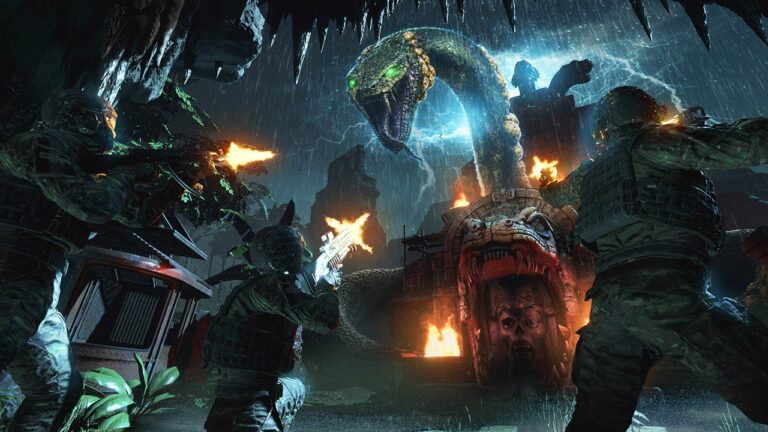
Miners Landing Built a $25 Mixed Reality Dark Ride Into Unused Space on Pier 57

Miners Landing has run Sasquatch Mountain on Seattle's Pier 57 since 3 April 2026. The Bigfoot hunt uses VR headsets…
Read more...
Hero Zone: Where Social VR Meets Real-World Revenue -

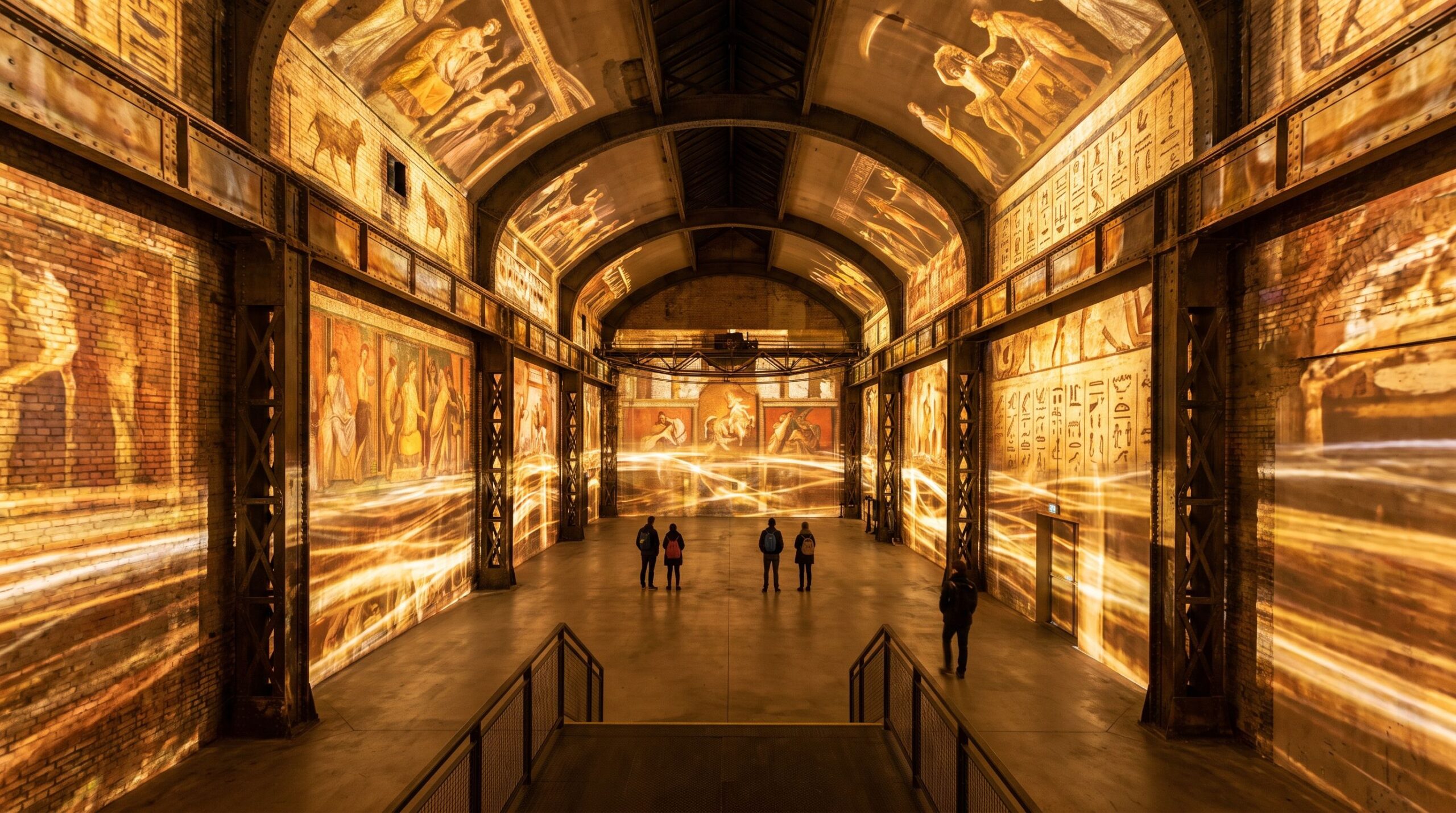
Spanish private equity firm Nazca Capital has acquired a majority stake in Madrid Artes Digitales, the Madrid company that builds and distributes large-format immersive cultural exhibitions. The deal matters to operators for one reason the other recent experiential acquisitions do not offer: location-based VR sits inside the product being bought. Founded in 2021, Madrid Artes Digitales combines 360-degree projection mapping, VR, location-based VR, augmented reality, holographic content and interactive installations, and it has sold more than five million tickets across more than 20 cities in 10 countries.
Nazca made the investment through its Nazca Opportunities strategy, its fourth deal under that mandate. Terms were not disclosed. Stardust International and Inmersivas Digitales 2025 remain significant minority shareholders, the existing management team continues, and Layers of Reality stays on as international licensing partner.
The catalogue is the asset. Madrid Artes Digitales produces Tutankhamun: The Immersive Exhibition, The Last Days of Pompeii, The Legend of the Titanic and Cleopatra: The Immersive Exhibition, and has collected Telly and Eventex awards along with National Geographic Spain’s Best Historical Exhibition Award. Those titles travel through local promoters and venue operators rather than through venues the company owns, which is an asset-light licensing model and the reason a portfolio of that size can run across four continents without a matching balance sheet.

The exception is Nave 16 at Matadero Madrid, the permanent flagship where new productions are developed and refined before they go out internationally. The announcement describes that venue as “operating under a profitable business model.” For anyone weighing whether large-format immersive works as a business, a named flagship venue with a stated profitable model and a five-million-ticket catalogue behind it is a harder data point to wave away than a funding round.
This is the third piece of institutional money to enter experiential entertainment in two weeks. Poolhouse raised $55 million from Bluestone Equity Partners for computer-vision pool tables. Level99 took its growth equity commitment from Act III Holdings to $100 million for physical-challenge venues. Neither has headset XR in the product.
Madrid Artes Digitales does. That makes this the cleanest evidence so far that the capital arriving in experiential is reaching companies with XR inside the product. It reads alongside RAISE Invest’s €35 million into free-roam specialist EVA, which we covered in How EVA Raised €35M in the Worst VR Market in a Decade, money going to operators who run arenas.
The trade coverage of these productions rarely names the companies that build the technology inside them. ART MASTERS, the Prado-based VR experience we covered in ART MASTERS: A Virtual Journey Through the Prado’s Masterpieces, was created by ACCIONA Living & Culture in collaboration with Museo del Prado and Tigrelab. The public billing stops there. The studio VFX, the sound integration and the software development were done by Barcelona-based Univrse, and the 30-minute free-roam walkthrough runs on XRoam, Univrse’s own platform.
Univrse sells XRoam as a product rather than keeping it as in-house tooling. The company built it over three years and has had it commercially available since April 2025 for creating, hosting and managing large-scale multi-user free-roaming VR, and it licenses the platform to third parties. That distinction has commercial consequence: a platform vendor whose work goes uncredited in the productions it powers loses sales as well as recognition. We also covered the same collaboration travelling in Prado VR in Buenos Aires.
If you license large-format immersive content, the ownership of your supplier just changed, and private equity majority holders tend to revisit licensing terms on renewal rather than at signature. If you build the technology underneath these productions, the Art Masters billing is the cautionary example: name your platform in the contract’s credit clause, because the press release will not do it for you. And if you have been arguing internally that location-based VR does not attract serious money, the counter-argument now has a majority stake attached to it. LEXRA members work these questions through together at lexra.org.
Who bought Madrid Artes Digitales?
Nazca Capital, a Spanish private equity firm, acquired a majority stake through its Nazca Opportunities strategy. It is the fourth investment under that mandate. Terms were not disclosed.
What does Madrid Artes Digitales make?
Large-format immersive cultural exhibitions combining 360-degree projection mapping, VR, location-based VR, augmented reality, holographic content and interactive installations. Titles include Tutankhamun: The Immersive Exhibition, The Last Days of Pompeii, The Legend of the Titanic and Cleopatra: The Immersive Exhibition.
How big is the company?
More than five million tickets sold, productions in more than 20 cities across 10 countries in Europe, Latin America, Asia and Africa, distributed through local promoters and venue operators.
Does Madrid Artes Digitales own its venues?
Mostly no. The model is asset-light licensing through local partners. The exception is Nave 16 at Matadero Madrid, its permanent flagship and development space, which the announcement describes as operating under a profitable business model.
Why does this deal matter for location-based VR specifically?
It is the third private equity move into experiential entertainment inside a fortnight, and the only one of the three with VR and location-based VR inside the product being acquired.