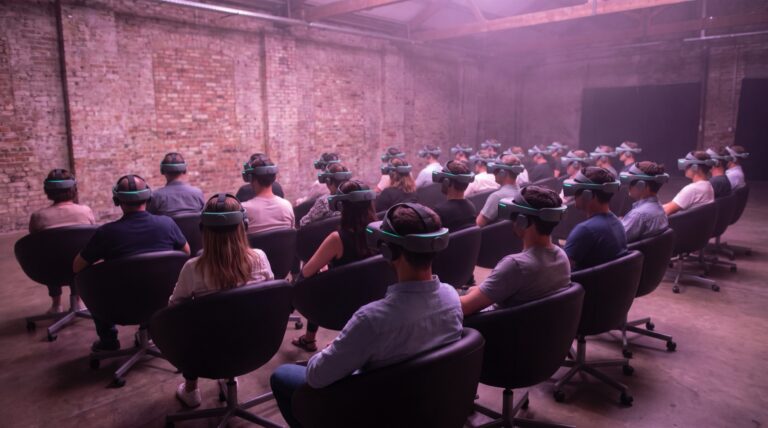
Sphere Entertainment just crossed $400 million in ticket sales for The Wizard of Oz at Sphere. That’s one title, one venue, running in Las Vegas since August 2024. The company also used the milestone announcement to unveil a new immersive production coming to the venue, which is the more interesting part of the story for anyone thinking about how large-format immersive venues actually build a business.
$400 million in ticket revenue on a single title is the kind of number Hollywood is yearning for. Doing it in one venue, even one that cost $2 billion, is remarkable.
What the $400M Number Actually Tells Us
The Wizard of Oz at Sphere opened in August 2024 as a reimagined version of the 1939 film, adapted for the venue’s 160,000-square-foot display and its spatial audio system. Tickets have ranged roughly from $89 to $299 depending on seating and showtime. Crossing $400 million means Sphere has moved a meaningful volume of premium-priced tickets on a piece of legacy IP that the company adapted specifically for the format.
Two things worth pulling out of that.
The first is that premium pricing holds when the content is worth the trip. Sphere is not competing with a $15 movie ticket. It’s competing with the reason someone flies to Las Vegas, and the pricing reflects that. Operators watching this milestone should note that the ceiling on immersive entertainment ticket pricing is a lot higher than the $30 to $50 range most LBE venues live in, when the format and the location earn it. I’ve been saying that for a decade now. And research backs it up.
The second is that the title has legs. “Does it have legs?” is the amusement industry’s real question about any new attraction, and 15 months of ticket sales at that scale is the answer for The Wizard of Oz. Which brings us to the more strategic part of the announcement.
The New Production Is the Real Story
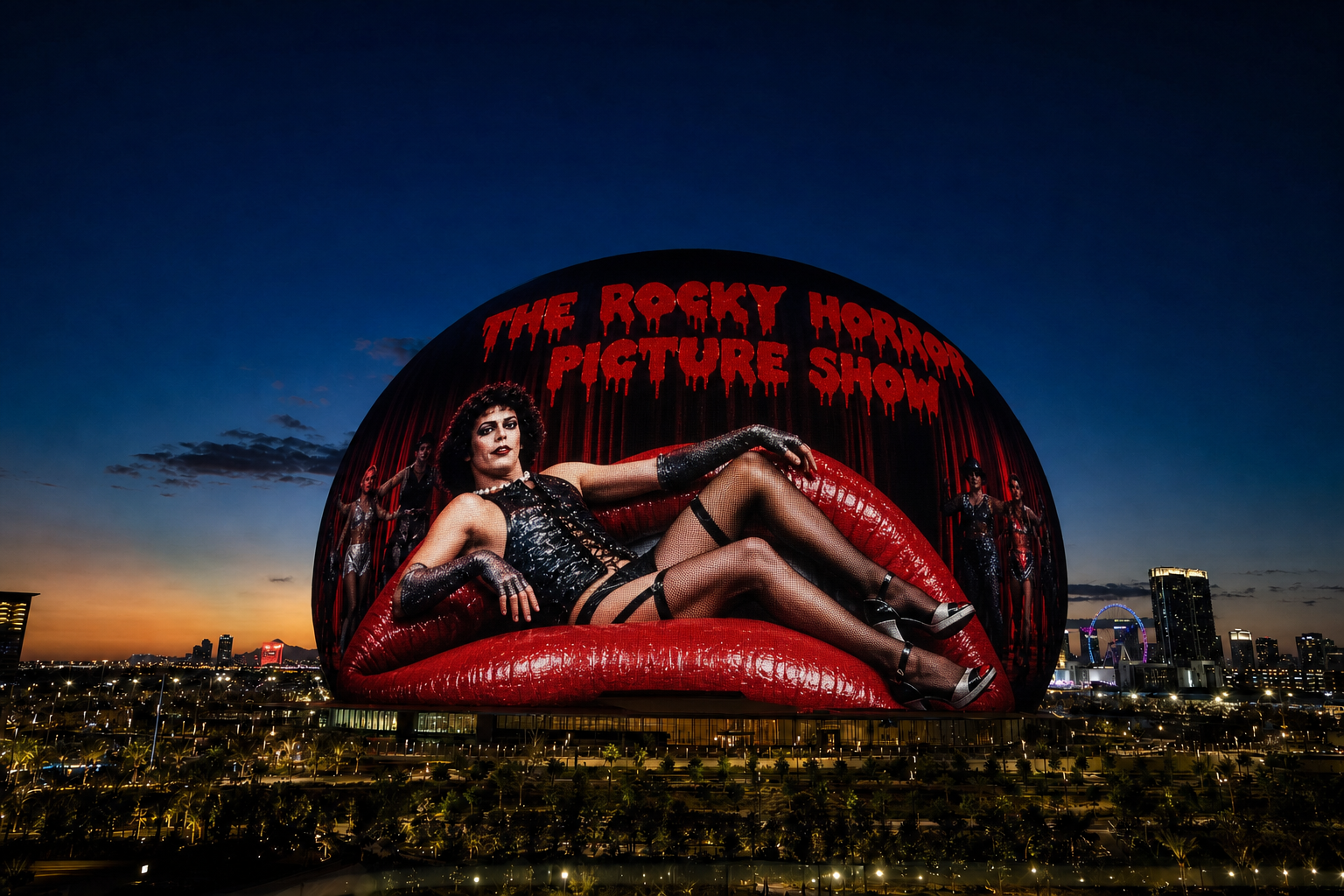
Sphere unveiled a new immersive production of Rocky Horror Picture Show alongside the ticket sales milestone. I love this move, even if I don’t love the movie.
“Since The Rocky Horror Picture Show premiered in 1975, it redefined audience participation and became a cultural phenomenon,” Jim Dolan, Executive Chairman and CEO of Sphere Entertainment, said in a statement. “With Sphere, we have the opportunity to take that spirit of immersion to an entirely new level.”
With the recent spate of sing-along movies like Wicked, bringing back Rocky Horror hits a nerve audiences are longing for. Immersive and participatory (read: Interactive) entertainment. And the Sphere will deliver that in buckets.
Where This Fits in the Broader LBE Story
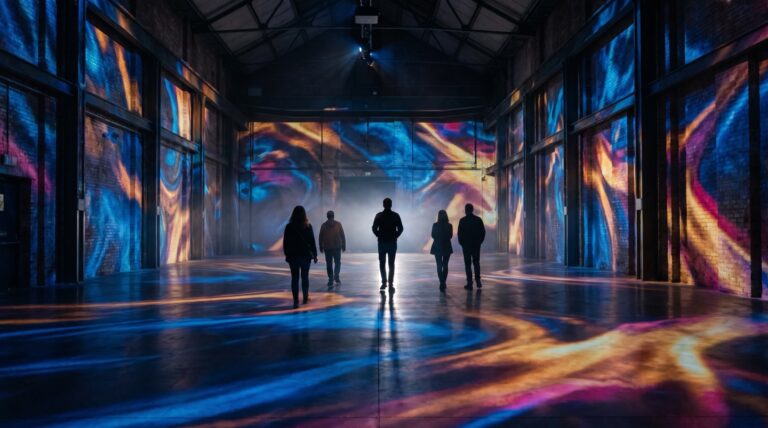
Sphere is not an LBE model anyone else can emulate, though Cosm is trying. The scale, the capex, and the location make it a category of one. But the industry benefits when the highest-profile venue in the immersive entertainment space keeps posting numbers that validate the underlying thesis. Premium immersive content, delivered at scale, in a destination venue, generates real revenue and sustains real ticket pricing over multi-year runs.
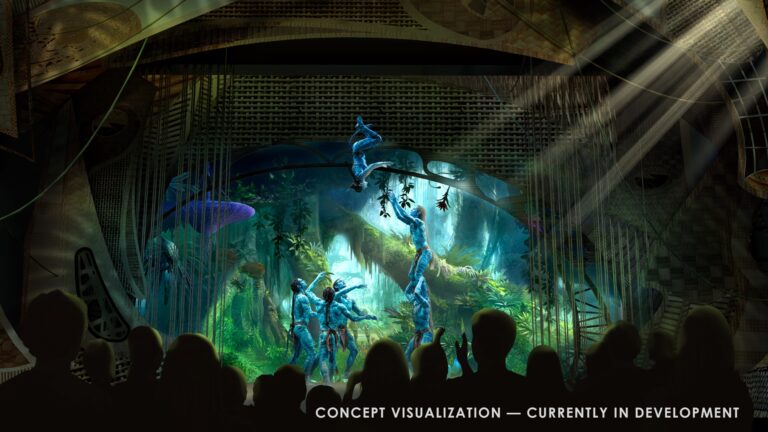
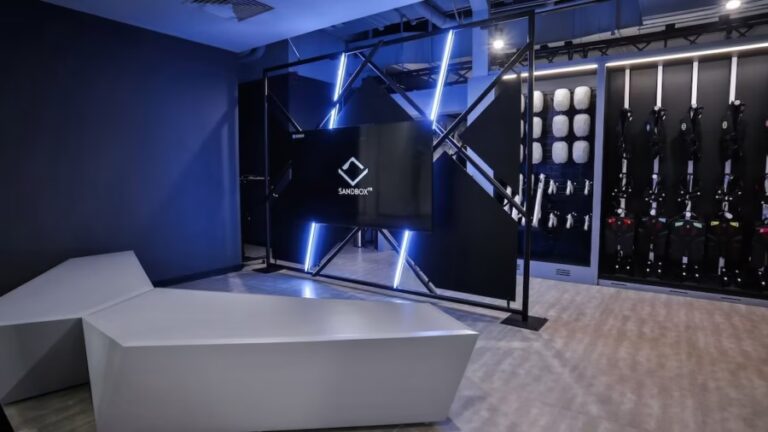
That thesis is what’s underneath a lot of the current activity in LBE. AREA15’s expansion. Cosm opening additional locations. Meow Wolf building new venues. The Netflix and Sandbox VR content pipeline that’s been running for a couple of years now. Banijay launching Black Mirror with Phi Studio and Univrse. All of that assumes there’s an audience willing to pay a premium for immersive entertainment they can’t get on a couch, and that studios and IP owners are willing to build content for the format.
Sphere posting $400M on one title and immediately announcing Rocky Horror reinforces both halves of that assumption. The audience is there. The economics work. And the venues committed to the format are treating content pipelines as a business necessity, not a nice-to-have. But not just any content. It has to create peak moments. It has to be a memorable experience. I suspect a 100-foot-tall Tim Curry will do just that.
What Operators and Investors Should Take From This
Premium pricing works when the content justifies the trip. If you’re running a 20-minute experience and charging $40, Sphere isn’t your comp. But if you’re running a 60-minute immersive group experience with real production values and a destination-worthy footprint, the ceiling on what guests will pay is higher than most operators are pricing at today.
Content rotation is the business model. Every destination venue eventually needs a second title. Operators partnering with content producers should be having the “what’s next” conversation before the current title starts to fade, not after. The lead time on a large-format immersive production is long.
Investors reading this should note that Sphere is one of the few immersive entertainment operators posting real, disclosed revenue numbers on a single title. That’s data the category has been short on for years. We keep seeing vanity numbers of cumulative revenue across dozens of locations over time, which make it impossible to unpack. Every additional data point like this makes it easier for capital to flow into the next tier of destination venues and the content studios building for them.
Why This Matters
$400 million in ticket sales on one title at one venue is a real data point for a category that has spent a long time making its case on smaller numbers and softer signals. Sphere adding a more interactive production on top of that milestone is the more strategic move, because it confirms that the venue is running a content rotation model rather than betting on a single show forever.
For the LBE industry, both parts of the announcement are useful. Premium interactive immersive content sustains premium pricing over multi-year runs. Destination venues that treat themselves like content platforms have a durable business. Neither of those is a new idea, but every time a venue at Sphere’s scale posts numbers that back them up, the case gets easier to make for the next venue, the next studio, and the next investor evaluating the category.
FAQ
How much has Sphere Entertainment made from Wizard of Oz ticket sales?
Sphere Entertainment has surpassed $400 million in ticket sales for The Wizard of Oz at Sphere since the production opened in August 2024. The figure represents ticket revenue for a single title at a single venue.
What is the new immersive production Sphere Entertainment announced?
Sphere announced a new immersive production coming to the venue alongside the $400M ticket sales milestone. Specific title, opening date, and creative details are still being rolled out by the company.
Why does the Sphere revenue milestone matter for the LBE industry?
Crossing $400M on one title validates the large-format immersive venue model for the broader industry. It’s a concrete data point that premium immersive content sustains premium ticket pricing over multi-year runs, which is the underlying thesis behind current investment activity in destination immersive venues.
How does content rotation affect the destination immersive venue business model?
Destination venues running a single title eventually hit a ceiling as the addressable audience cycles through. Adding new productions gives regional audiences a reason to return and keeps the venue itself viable as a long-term business rather than a one-title attraction. Sphere adding a second production is confirmation that the largest immersive venue in the market is treating itself as a content platform.
What ticket price range does Sphere charge for Wizard of Oz?
Tickets for The Wizard of Oz at Sphere have ranged roughly from $89 to $299 depending on seating category and showtime, with premium seating and peak dates commanding the higher end of that range.