Miners Landing Built a $25 Mixed Reality Dark Ride Into Unused Space on Pier 57
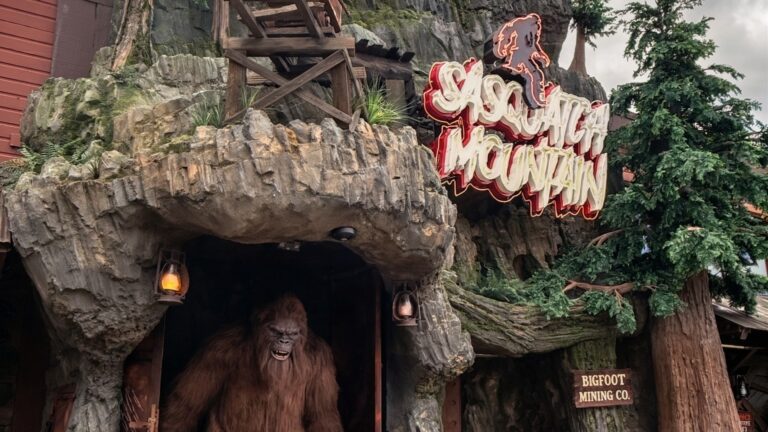
Miners Landing has run Sasquatch Mountain on Seattle's Pier 57 since 3 April 2026. The Bigfoot hunt uses VR headsets…
Read more...
Hero Zone: Where Social VR Meets Real-World Revenue -

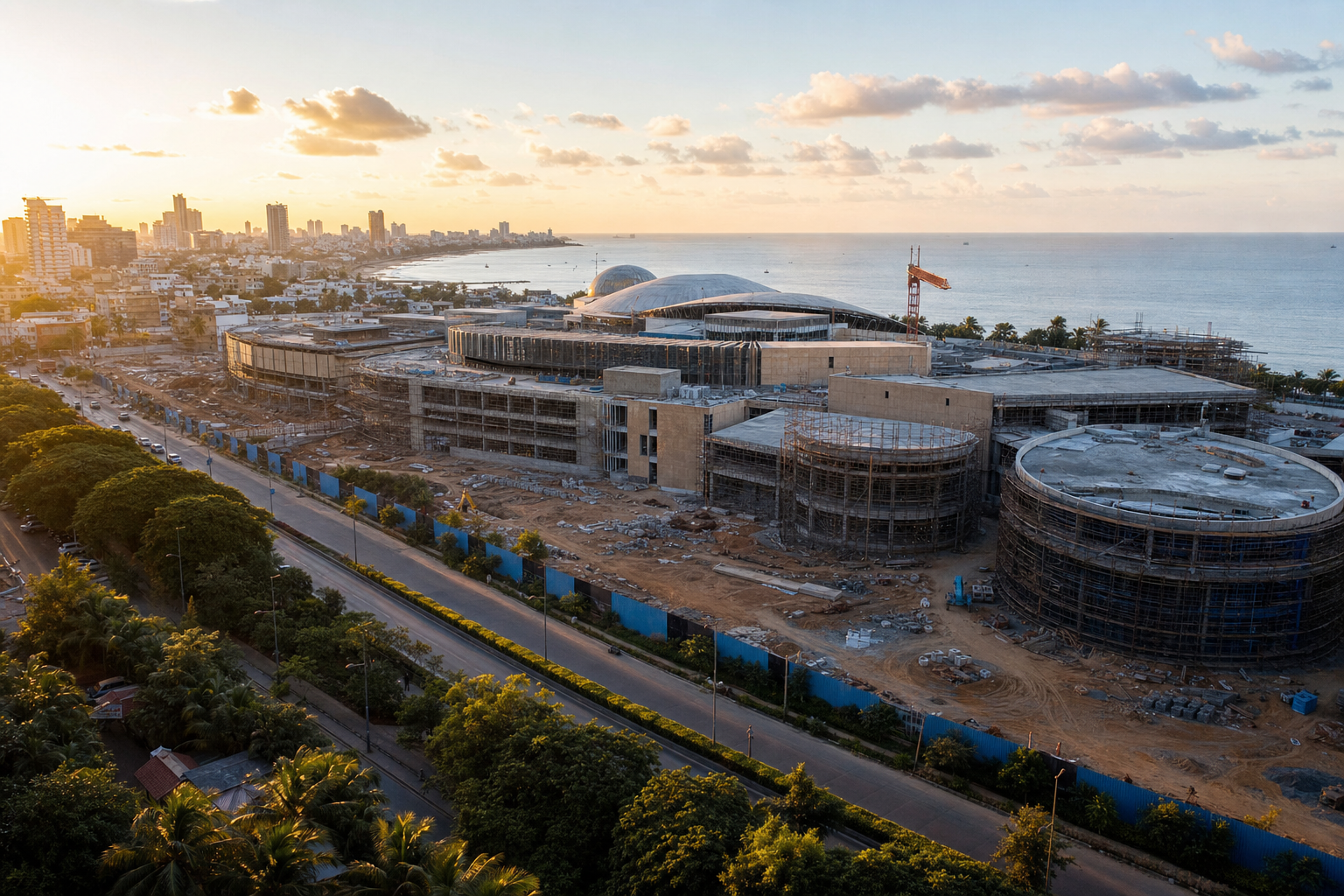
The Visakhapatnam Metropolitan Region Development Authority is developing a Rs 90 crore VR and mixed reality arena, roughly $10 million, on a 2.82-acre site along Law College Road in Rushikonda. Called the Vizag Experience and Virtual Reality Arena, it pairs a VR experience centre with a three-star boutique hotel, a drive-in food zone and cafe and fine-dining options, and VMRDA frames it as the first venue of its kind in Andhra Pradesh. A government development authority is putting VR at the centre of a tourism infrastructure project in a tier-two Indian city.
The attraction list covers a 360-degree immersive theatre, a mixed-reality escape room, thematic animation shows, virtual time-travel and heritage experiences, a VR gaming zone, an aquarium and further interactive attractions, with app-enabled dining and the hotel around it. VMRDA is running the project as a public-private partnership: the authority provides the land and the development framework, and a private partner is expected to bring venue operation, hardware and content.
Most location-based entertainment growth has come from private operators building on their own capital — franchisees taking risk on a brand, or independents opening free-roam venues themselves. A government-backed VR venue runs on different rails. The capital is public, site selection follows regional development goals rather than pure catchment maths, procurement is formal, and timelines are slower and more political.

For suppliers, that widens the partner list in an awkward direction. VMRDA is a public authority running a structured procurement, and it will never turn up on a trade show floor asking for a demo. Reaching it takes a different sales motion, different reference requirements and different pricing than selling a single-site operator a headset fleet.
India is not alone in this. Wevr’s free-roam reboot of The Blu in Taiwan, which we covered in Wevr Reboots The Blu as a Large-Scale Free-Roam VR Experience in Taiwan, had the Taiwan Ministry of Culture behind it. Gulf cultural ministries are backing large-format immersive attractions and European tourism boards are co-presenting immersive work. India has hundreds of tier-one and tier-two cities with a metropolitan development authority apiece.
Five or six attraction categories under one roof reads closer to a family entertainment centre with a technology wrapper than a purpose-built VR destination, and that is the pattern to watch rather than the budget.
The version of this venue that works picks a hero attraction and lets the rest support it. Excurio’s Horizon of Khufu built a category around a single, well-produced, historically anchored VR journey. The version that struggles treats VR as one of eight zones and spreads the budget too thin to make any single attraction worth the trip, so guests come once, walk through and do not return. That failure mode is well documented in this category.
Vizag has heritage material to build on — the city’s history, its coastline, the region’s cultural depth. A time-travel and heritage experience built specifically on that, at production values that hold up, is the piece capable of anchoring the venue. Whether the private partner treats it that way is the open question, and it will be answered by how the content budget is split rather than by the announcement.
The demand profile underneath the project is sound. Visakhapatnam is a growing IT hub on the east coast tourism circuit, with a young population, disposable income and a domestic tourism industry drawing visitors from the surrounding region. VMRDA chairperson Pranav Gopal framed the audience as millennials and generations Y, Z and Alpha, citing the city’s tourism profile and expanding IT ecosystem as the demand-side case. The Rushikonda site sits close to the beach and the emerging tourism corridor, and the hotel component means the venue is being built as an overnight destination, where guests staying on site are guests spending on the attractions.
If you supply hardware, content or venue software into emerging markets, treat public procurement as its own channel with its own requirements, and get on the tender lists early, because the private partner selection happens before the equipment decisions. If you operate in India, watch which partner VMRDA selects, since an established FEC operator, an international LBE brand entering the market and a local group learning the category will each produce a different venue. And plan against procurement reality rather than the announcement: VMRDA has begun developing the site and has not published an opening date, and public infrastructure timelines in India commonly run longer than first indicated. LEXRA members compare notes on venue development and supplier selection at lexra.org.
What is the Vizag Experience and Virtual Reality Arena?
A Rs 90 crore VR and mixed reality venue being developed by the Visakhapatnam Metropolitan Region Development Authority on a 2.82-acre site in Rushikonda, Visakhapatnam. Planned attractions include a 360-degree immersive theatre, a mixed-reality escape room, a VR gaming zone, thematic animation shows, virtual time-travel and heritage experiences and an aquarium, alongside dining and a three-star boutique hotel.
Who is developing it?
VMRDA, through a public-private partnership. The authority provides the site and development framework; a private partner is expected to handle venue operation, hardware and content.
When does it open?
No opening date has been announced. VMRDA has begun developing the site.
How does government-backed LBE differ from a private operator venue?
Private venues are funded and run by franchisees or independents carrying their own capital risk. Government-backed venues run through public development authorities and formal procurement, which opens a different channel for suppliers and content producers and moves on slower timelines.
What does this signal for location-based VR in emerging markets?
That regional development authorities in India are beginning to treat VR and mixed reality attractions as tourism infrastructure worth public capital. If the model performs, it widens the addressable market for suppliers into a procurement channel that barely existed five years ago.