Factory International Stages Ian McKellen in Mixed Reality Theatre Play An Ark at £31.50 and £36.50

Factory International will stage An Ark, the mixed reality play starring Ian McKellen, at Aviva Studios in Manchester from 27…
Read more...
Hero Zone: Where Social VR Meets Real-World Revenue -

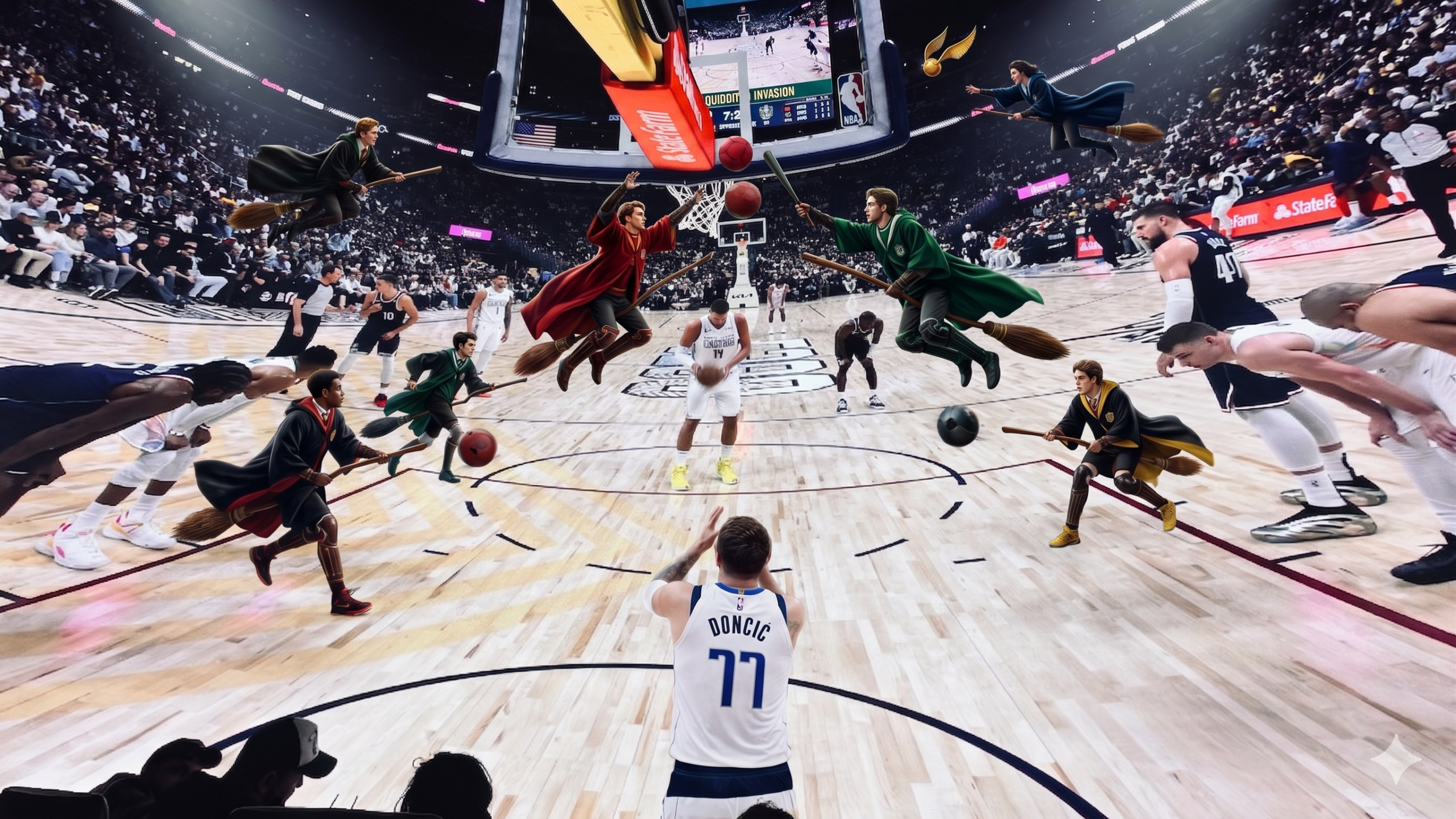
Bob Cooney’s Take – Cosm picked Harry Potter for a reason, and it has nothing to do with kids. This is the third Warner Bros. catalog title they’ve programmed into the dome after The Matrix and the original Gene Wilder Willy Wonka. They’re not kids’ movies anymore. That’s a nostalgia lineup aimed at adults in their 30s and 40s with disposable income and a babysitter on call. The interesting question is not whether Harry Potter works in a shared-reality venue. It’s why Warner Bros. is leaning into Cosm as an immersive venue to keep these IP brands warm between theatrical releases.
Cosm released a version of Harry Potter and the Sorcerer’s Stone in its shared-reality dome venues, the latest catalog title from Warner Bros. to land on the platform. Page Six covered the event, which featured the kind of premiere-style buzz Cosm has been generating since opening its first venues a couple of years ago. The headline read like a fan moment. The business story underneath is more interesting to me.
Cosm built its business model on live sports. NBA, NFL, college football, UFC, all rendered in the immersive shared-reality format that the dome makes possible. Sports is the anchor product, and it works because live events have built-in scheduling, built-in audiences, and a recurring content calendar that fills the building week after week.
Is it working as a business? We don’t know yet, as there’s no transparency into the licensing deals with the NBA, NFL, and others.

But entertainment IP is a different animal entirely. And it’s Warner Bros. catalog that keeps showing up in the dome.
This is the third Warner Bros. movie Cosm has programmed. The Matrix came first. The original Willy Wonka with Gene Wilder followed. Now Harry Potter and the Sorcerer’s Stone.
Look at what those three titles have in common. They are not new releases. They are not the current theatrical slate. They are catalog IP with deep emotional resonance for an audience that grew up with them. The Matrix is 27 years old. The original Wonka is from 1971. The first Harry Potter movie came out in 2001, which makes its core fans now somewhere in their mid-to-late 30s. That’s the demographic with money who pay for premium tickets and craft cocktails and bring a group of friends to a domed venue for a night out.
This is Warner Bros. running a catalog strategy. And it’s smart.
Bob’s Take – Know your audience, go narrow, be specific. Cosm and Warner Bros. are doing exactly that. The 30-something adult with a real job and a Harry Potter tattoo is a customer worth chasing (sorry for that visual). Kids drag parents to theatrical releases. Adults with disposable income drag friends to premium experiences.
Warner Bros. has a Wonka 2 (The Golden Journey) reportedly going into production this summer. The Harry Potter TV series reboot is coming to MAX this Christmas. The Matrix franchise continues to surface in development conversations.
Cosm is looking like an IP maintenance venue. A way to keep the brand alive in the cultural conversation between major theatrical or streaming events. It’s the same logic as catalog re-releases in cinemas, themed retail activations, or anniversary editions of soundtracks. You give superfans something to do that costs the studio almost nothing on the marginal-distribution side, because the content already exists, while keeping the franchise top of mind ahead of the next big push.
That’s a use case for shared-reality venues nobody was talking about until The Wizard of Oz showed up in The Sphere in Las Vegas. Live events remain the anchor, whether music (The Sphere) or sports (Cosm). Catalog IP is becoming an interesting secondary use that does not compete for the same calendar slots and does not require new content production for the studio.
Cooney’s Take – This is the part of the Cosm story that should make every IP owner in Hollywood pay attention. A venue that can host live sports in primetime and catalog IP immersive in off-peak windows has a content economics model nobody in LBE has had access to before. Pacific Theatres did not have this. IMAX cannot do it the same way (or maybe they can, but they already have Hollywood blockbusters fighting over release windows).
Cosm sits in a category with Sphere on one end and the broader immersive venue space on the other. Sphere has been programming its own mix of live music residencies and bespoke productions like Postcard from Earth. Cosm has been programming live sports plus a growing slate of cultural and catalog IP. Excurio’s Horizon of Khufu, Lighthouse Immersive’s Van Gogh productions, and the Banijay-produced Black Mirror Experience all sit in the same broader category of premium group experiences anchored by IP or cultural content.
What makes Cosm’s approach distinct is live-events. Sports give the venue a predictable, recurring revenue stream. Catalog IP screenings fill the windows when sports are not on. That dual-mode programming is what other operators in the premium venue space have been trying to figure out, and Cosm is showing one working model.
Cooney’s Take – For LEXRA members and other LBE operators watching this play out, the takeaway is not that everyone needs a dome. The takeaway is that the content licensing path from major studios into immersive venues is opening up, and the studios are leading with catalog before they bet on premieres. That has implications for what kinds of IP get licensed, how deals get structured, and what the price points look like.
The amusement industry has a term for content that runs in a market without losing audience: legs. Live sports has legs by definition. The schedule refreshes itself every week. A Harry Potter screening in a shared-reality venue is a different question. How many showings does the dome run before the local Harry Potter superfan base is saturated? How quickly does the venue need to refresh with the next catalog title to keep the schedule full?
That’s the question that determines how many catalog titles Warner Bros. needs to license per year, and how many studios Cosm needs in the rotation to keep the calendar healthy. If the answer is high, that’s a big opportunity for catalog-heavy studios. If the answer is low, it becomes a buyer’s market for IP. (Hint, it’s the latter.)
Cosm has not published utilization data for catalog screenings. Warner Bros. has not announced whether more titles are in the pipeline. What we can say is that going to a third Warner Bros. title is a pattern, not an experiment.
A few things worth tracking now that the third Warner Bros. title has landed:
Three things stand out for operators, investors, and content licensors.
First, catalog IP is becoming a real distribution channel for major studios in LBE. Netflix has been doing this with Sandbox VR for a couple of years. Banijay launched Black Mirror Experience at three venues and is expanding the footprint. Warner Bros. is now three titles deep with Cosm. The studios are showing up. It’s good to see them stepping into that arena.
Second, the venue-level programming model is evolving. Limited time events, plus catalog IP, plus original immersive productions, is a richer programming mix than any one of those alone. Operators thinking about how to fill a calendar across off-peak windows should be studying what Cosm is doing.
Third, the audience targeting is intentional. Catalog IP from 25-plus years ago is not a kids’ play. It is an adults-with-money play. That changes the marketing, the food and beverage strategy, the ticket pricing, and the partnership opportunities around each title. Anybody building a premium venue should be paying attention to who actually shows up for catalog screenings.
Bob’s Take – The shared-reality venue category is finding its programming rhythm, and the answer is not one product. It’s a calendar. Event anchors. Catalog IP fills windows. Premieres and originals show up when the timing is right. That is a real business model, and it’s what was missing from the immersive venue category five years ago. Warner Bros. is the studio teaching the rest of Hollywood how to use it.
The Harry Potter screening is not the story. The pattern is the story. Three Warner Bros. catalog titles in a venue that built its name on live sports tells us the studio sees Cosm as a tool for keeping IP warm between bigger releases. That’s a use case that did not exist before shared-reality venues did, and it’s worth watching to see how other studios respond.
For operators in adjacent premium-venue formats, the question is whether your venue can play a similar role for the IP libraries that will eventually seek these distribution channels. The catalog is opening up. The path in is becoming clearer.
What is Cosm and how does its shared-reality venue work? Cosm is a premium venue operator that uses large-scale dome screens and immersive shared-reality technology to present live sports, original productions, and now catalog film IP. The venues are designed for group experiences and premium ticket pricing, with live sports as the primary anchor product.
Why is Warner Bros. licensing catalog films to Cosm instead of new releases? Catalog IP keeps a franchise culturally active between major theatrical or streaming releases. With Wonka 2 going into production this summer and a Harry Potter reboot coming to MAX at Christmas, the Cosm screenings help maintain audience engagement with the brands during gaps in the release calendar.
What audience is Cosm targeting with Harry Potter screenings? The original Harry Potter film is 25 years old, which puts its core fans in their mid-to-late 30s. That’s an adult demographic with disposable income, not the family-with-kids audience that drives theatrical Harry Potter releases. Pricing and programming reflect that adult-targeted positioning.
How does Cosm compare to Sphere and other immersive venues? Sphere focuses on residencies and bespoke productions like Postcard from Earth. Cosm anchors on live sports and supplements with catalog IP and immersive productions. Both sit in the broader premium-venue category alongside formats like Excurio’s Horizon of Khufu and the Banijay-produced Black Mirror Experience.
What does Cosm’s catalog strategy mean for other LBE operators? It signals that major studios are increasingly open to licensing catalog IP into premium venues, opening a content path that did not exist for the LBE category a few years ago. Operators in adjacent venue formats should be thinking about whether their model can host catalog activations as a programming complement to original immersive content.