Miners Landing Built a $25 Mixed Reality Dark Ride Into Unused Space on Pier 57
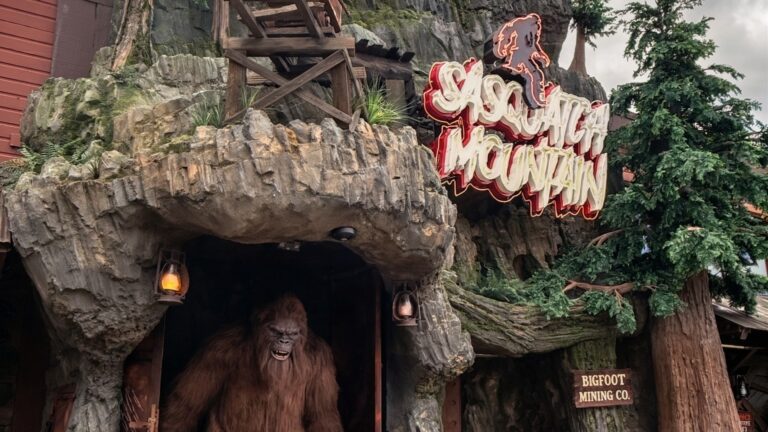
Miners Landing has run Sasquatch Mountain on Seattle's Pier 57 since 3 April 2026. The Bigfoot hunt uses VR headsets…
Read more...
Hero Zone: Where Social VR Meets Real-World Revenue -

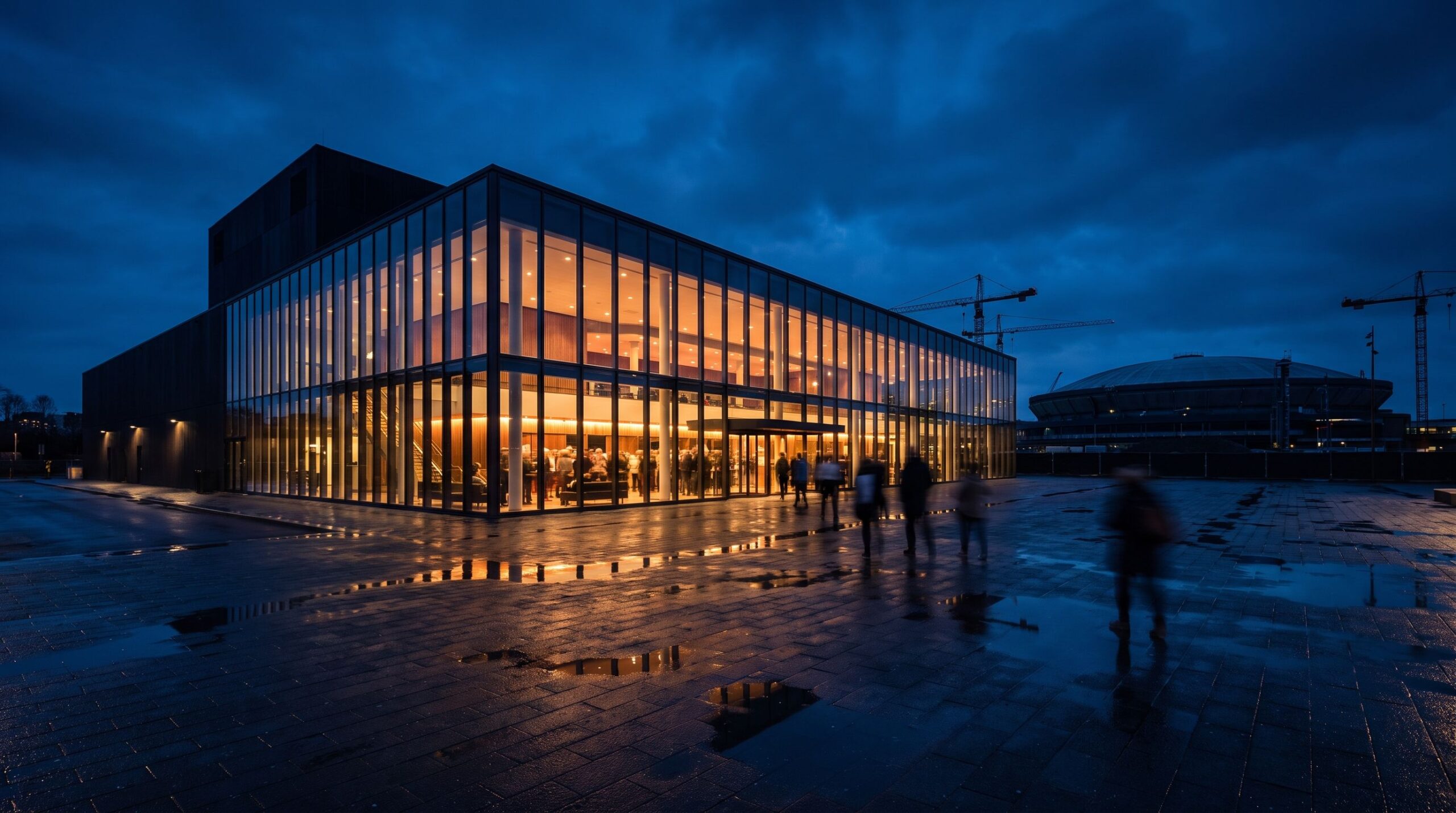
Greenwich councillors have approved Secret Cinema’s plans for a purpose-built permanent home on Greenwich Peninsula, giving the immersive theatre company a fixed 1,500-capacity venue after fifteen years of running shows in temporary sites. For location-based operators, the landlord is what makes this relevant. A developer running one of London’s largest regeneration schemes has taken an immersive show as a long-term anchor tenant, on a lease of up to ten years, in a building designed around it.
The site is Plot 20.02, a vacant coach parking area near The O2, in a development run by Knight Dragon in partnership with the Greater London Authority. The scheme is a two-storey front-of-house building holding a foyer, bar and box office, alongside a main theatre and event space of roughly 4,000 square metres with capacity for up to 1,500 visitors per show. Works are expected to start in mid to late 2026, with an opening anticipated in October 2026, and the venue is projected to bring around 125 jobs to the area.
Secret Cinema has spent its history in found space: warehouses, car parks, disused buildings taken on short leases and fitted out from scratch for each production. That model carries a fit-out cost per show and a hard ceiling on how long a hit can run. A permanent room built for the format removes both. The set changes; the infrastructure, the box office, the bar and the back-of-house stay.
That is the same argument free-roam operators make about a fixed arena versus a pop-up, and the same reason a 4,000-square-metre building with a ten-year lease is a different financial proposition from a six-month tenancy. It also gives the operator something the temporary model never allowed, which is a venue that can be booked for other events between productions.

Regeneration developers have used cultural and immersive tenants as “meanwhile use” for years, filling vacant plots cheaply until something more permanent arrives. Knight Dragon taking Secret Cinema on a long lease in a purpose-built structure, and the planning committee weighing it on footfall and spending in the wider scheme, is the category being treated as an anchor rather than a stopgap.
We have argued the underlying trend twice already: in LBE Is Now a Primary Tenant Category in Retail Real Estate and again when Sandbox VR signed a ten-year Times Square lease. Greenwich is the same pattern in a regeneration setting instead of a retail one, and at a scale, 1,500 per show, that most XR venues cannot approach.
A long lease cuts both ways. The last eighteen months in London immersive have included closures that stranded operators mid-run, which we covered in When the Operator Collapses. A ten-year commitment on a purpose-built room converts a variable cost into a fixed one, and the show has to keep filling 1,500 seats to carry it. Committee papers also recorded objections about traffic on the peninsula, which is a live operational question for a venue putting that many people through in a night.
If you are negotiating with a developer, the Greenwich decision is a reference point: an immersive tenant secured a purpose-built building on a long lease, and the case was argued on footfall and jobs rather than on cultural merit. Those are the two numbers to bring to your own conversation. If you already run a permanent venue, the question the Secret Cinema move raises is whether your room earns anything between productions, because a purpose-built space that sits idle between runs is the expensive version of the pop-up problem. LEXRA members compare venue and lease terms through the community at lexra.org.
What has Secret Cinema been approved to build?
A purpose-built permanent venue on Greenwich Peninsula: a two-storey front-of-house building with foyer, bar and box office, plus a main theatre and event space of around 4,000 square metres holding up to 1,500 visitors.
Where is it and who is the developer?
Plot 20.02 on Greenwich Peninsula, a vacant coach parking site near The O2. The wider scheme is developed by Knight Dragon in partnership with the Greater London Authority.
When does it open?
Works are expected to begin in mid to late 2026, with an opening anticipated in October 2026 according to the planning coverage. Confirm the current date with the operator before relying on it.
How long is the lease?
Reported as up to ten years.
Why does an immersive theatre venue matter to XR operators?
It is evidence that developers are treating immersive entertainment as a long-term anchor tenant in major regeneration schemes rather than as temporary use of vacant space, which affects the terms every location-based operator can negotiate.