Factory International Stages Ian McKellen in Mixed Reality Theatre Play An Ark at £31.50 and £36.50
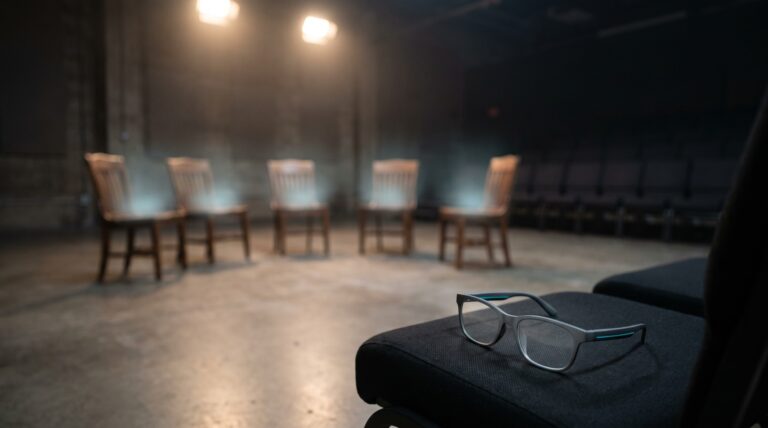
Factory International will stage An Ark, the mixed reality play starring Ian McKellen, at Aviva Studios in Manchester from 27…
Read more...
Hero Zone: Where Social VR Meets Real-World Revenue -

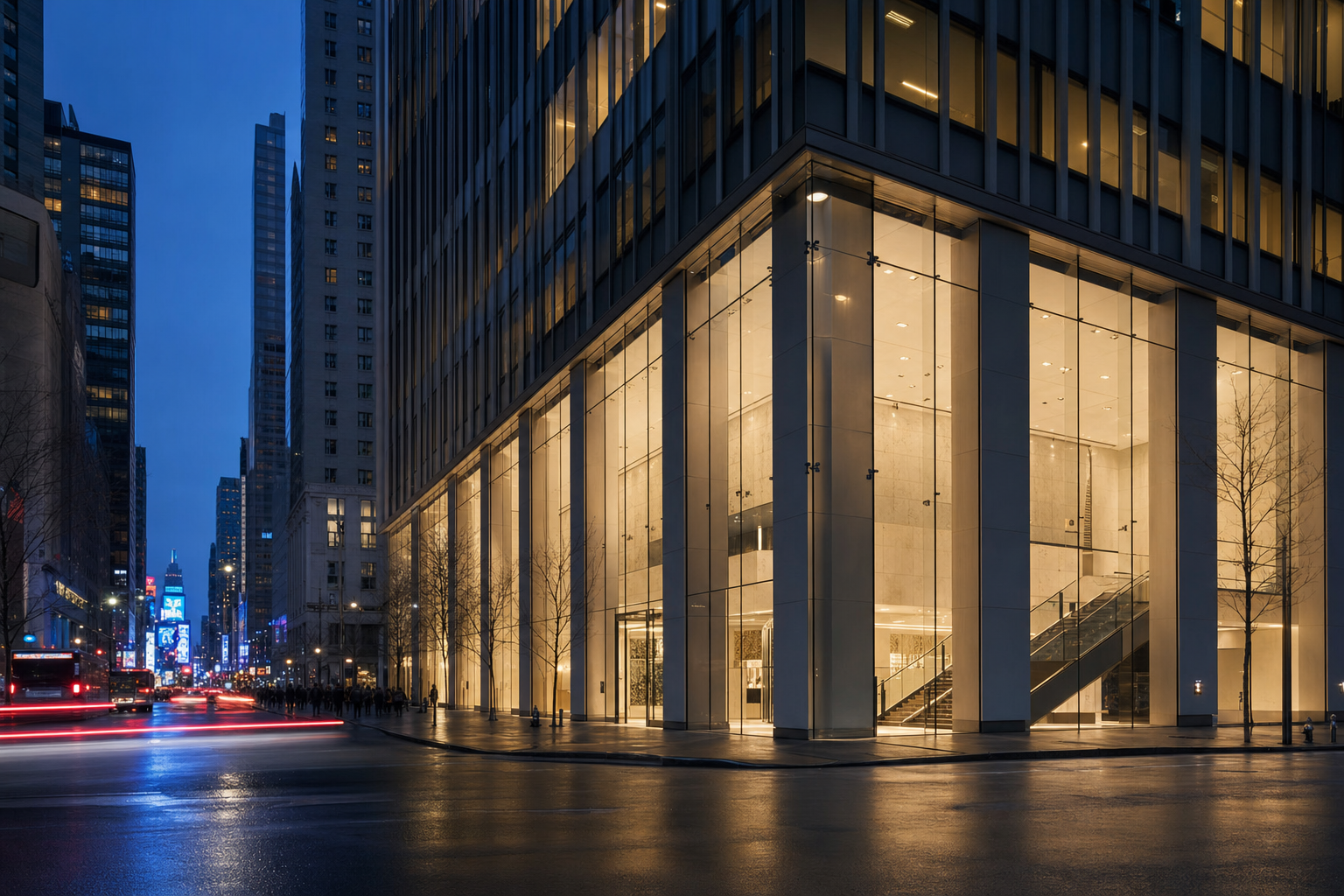
Commercial Observer is reporting that Sandbox VR has signed a 10-year lease at DelShah Capital’s 761-777 Seventh Avenue for its first New York City location. 10,600 square feet total, split between a 600-square-foot ground floor entrance and a 10,000-square-foot lower level. The annual asking rent is $750,000. The site sits between West 50th and West 51st Streets, a block north of Times Square, in what is objectively one of the most expensive retail environments on the planet.
This is Sandbox VR planting a flagship in the rarefied rent district of Midtown Manhattan. For an industry that spent a decade taking basement space in second-tier malls because that’s what the numbers would support, that’s a real moment.
10 years is not a test. 10 years is a bet.
Sandbox VR has more than 80 global locations and enough operational history to know what their venues make. When they sign a decade of Manhattan rent, they’re saying the model works at Manhattan prices. That’s a different statement than opening in Fresno or a suburban entertainment district, and every operator reading this should register the difference.
The rent number is $750,000 a year on 10,600 square feet. That works out to about $71 per square foot blended, though the real math is uglier because the ground-floor 600 square feet is carrying a Times Square rate and the 10,000 square feet below grade is carrying a discount. Below-grade space in Midtown trades at a meaningful discount to street level. That’s part of why this deal pencils. Sandbox VR is buying visibility on the ground floor and running the actual venue in the basement, which is how you make Manhattan rent work for a footprint that doesn’t need window shoppers.

This is similar to how Sandbox did it in the London theatre district, and it’s been wildly successful.
That’s a template worth studying. The venue you’re operating doesn’t need street-level frontage. The customer acquisition funnel needs street-level frontage. Separate those two and the rent conversation changes.
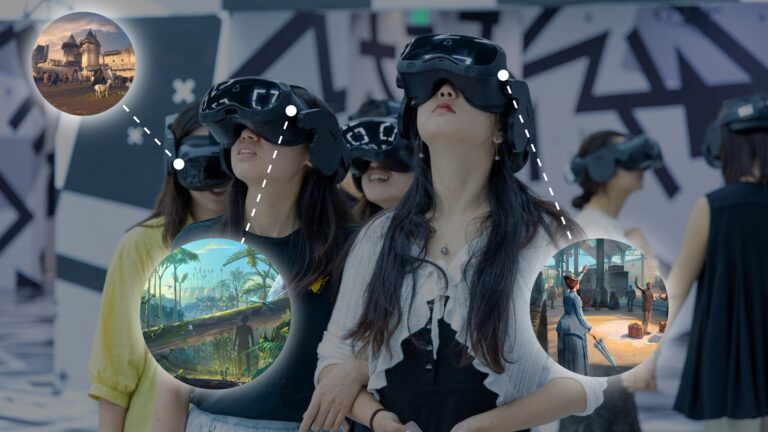
The number that matters here is revenue per square foot. Sandbox VR’s model runs groups of six through motion-capture bays with haptic suits and a rotating catalog that includes Squid Game, a prehistoric expedition, zombie experiences, and a growing set of licensed IP through their long-running Netflix partnership. Sessions are premium-priced. The venue turns over throughout the day and heavier on nights and weekends.
Manhattan tourism gives them something most operators don’t get: a Times Square draw that pumps qualified footfall past the entrance from open to close, seven days a week, without a marketing spend proportional to what a suburban venue needs. That’s the whole reason to pay Times Square rent. You’re not buying square footage, you’re buying customer acquisition.
For operators evaluating urban flagships, the honest question is whether your unit economics deliver the revenue per square foot to service that kind of rent. Sandbox VR’s group VR format with premium ticket prices and named IP is on the short list of LBE formats where the math works. A single-headset arcade with $15 tickets is not on that list. A trampoline park is not on that list. That’s the filter Times Square applies.
Sandbox VR is not the only operator making the urban flagship bet. SkiPod, which the Commercial Observer piece also mentions, just signed a 3,790-square-foot deal on 11th Avenue for its first storefront. That’s a different scale of commitment, but the signal is the same: LBE formats with premium pricing and demonstrated throughput are moving into Manhattan retail on their own terms. Zero Latency has been running franchised locations in expensive urban markets globally for years. Dreamscape has done destination-tier urban and mall placements. Meow Wolf sits at the destination end of the same trend.
What makes the Sandbox VR deal worth writing about is the combination of factors. A 10-year term. A tier-one Manhattan location. A rent figure high enough to force operator-grade underwriting. And an operator with 35+ locations of comparable-format history behind them to know what the venue actually makes.
That combination is the credibility signal. This is not a first-time operator gambling on a hot market. This is a category-leading operator putting a decade of commitment behind the thesis that their format works at Midtown prices.
The other side of the deal is DelShah Capital, and Michael Shah’s statement to Commercial Observer is worth reading closely. He called Sandbox VR “exactly the kind of experiential retail concept that continues to drive traffic and engagement in today’s market.”
That’s a landlord talking about an LBE operator the same way landlords talk about a food hall anchor or a flagship apparel tenant. That’s a shift.
The JLL research CoStar reported on recently said the same thing at the category level: LBE has crossed from amenity to primary tenant class in retail real estate. This Sandbox VR deal is a data point on that thesis. When a Manhattan landlord with a three-story commercial condo takes a Times Square vacancy and fills it with an LBE tenant on a 10-year, the landlord is telling their capital partners that LBE is now underwritable as a real anchor category.
The Newmark and Cushman & Wakefield teams brokering the deal (Jeffrey Roseman and Drew Weiss for DelShah, Michael Azarian and James Ariola for Sandbox VR) are the kind of names you get on serious retail transactions. That’s the market treating this as a real deal, not a novelty placement.
A few things worth internalizing if you’re an operator thinking about urban expansion or a franchisee evaluating a market.
Below-grade space is your friend if your model doesn’t need windows. Sandbox VR is running 94% of their square footage in the basement at basement pricing. The ground floor is a customer acquisition lobby. That structure is how you afford tier-one addresses.
Duration signals confidence, but it also demands it. 10 years in Manhattan means Sandbox VR has to keep this location relevant across three or four content refreshes and probably a hardware generation change. If your catalog is thin and your operating polish is inconsistent, do not sign a 10-year lease in an expensive market. You will spend years paying rent on a venue nobody visits.
Named IP is the difference between premium pricing and price competition. Sandbox VR’s Squid Game deal, their broader Netflix relationship, and the licensed catalog they’ve assembled over the years is what makes $750,000 in annual rent underwritable. A generic zombie shooter at the same address does not make that math work. Every operator negotiating a serious urban lease should be walking in with an IP roadmap.
Tourism markets change the customer acquisition math. Times Square gives Sandbox VR millions of qualified walk-by impressions annually without a marketing spend proportional to that impression volume. If you’re evaluating urban expansion, ask what the site does for your customer acquisition cost, not just what it costs in rent.
Sandbox VR signing a 10-year Times Square lease at $750,000 a year is a category-level credibility marker. It says a serious operator with 35+ locations of data believes their format underwrites Manhattan rent for a decade. It says a serious New York landlord agrees. It says the brokers who normally place flagship fashion and food tenants placed an LBE operator on the same terms.
For operators building expansion plans, for investors evaluating LBE as a real estate play, and for IP owners looking at LBE as a channel worth licensing into, this is the kind of deal that makes the next conversation easier. It puts a specific address, a specific rent number, and a specific 10-year commitment on the record.
The category just planted a flag in the most visible retail market in the country. Now Sandbox VR has to make it work. If they do, every operator with a similar format has a real comp to point at the next time they walk into a tier-one landlord meeting.
Where is Sandbox VR’s first New York City location? Sandbox VR’s first NYC location is at 761-777 Seventh Avenue in Midtown Manhattan, between West 50th and West 51st Streets, just north of Times Square. The building is owned by DelShah Capital.
How big is the Sandbox VR New York City venue? The Sandbox VR NYC location spans 10,600 square feet, with 600 square feet on the ground floor and 10,000 square feet on the lower level. The annual asking rent was reported at $750,000 on a 10-year lease.
What does Sandbox VR’s Times Square lease say about location-based entertainment? The deal signals that LBE has crossed into the tier-one urban retail category. A 10-year commitment at Times Square-adjacent rent is the kind of underwriting that requires serious unit economics and named IP, and it aligns with recent JLL research reclassifying LBE as a primary tenant category in retail real estate.
What other LBE operators are opening in Manhattan? SkiPod recently signed a 3,790-square-foot deal at 572 11th Avenue for its first storefront. Broader free-roam and group VR operators including Zero Latency and Dreamscape have been placing venues in tier-one urban markets globally for several years.
What IP does Sandbox VR run at its venues? Sandbox VR runs a catalog of in-house and licensed group experiences including a prehistoric expedition, Netflix’s Squid Game, and zombie battle experiences. Sandbox VR has had an ongoing IP partnership with Netflix for several years.
How does an operator make Manhattan rent work for an LBE venue? The Sandbox VR deal uses a common tier-one urban structure: a small ground-floor entrance at premium rates paired with a much larger below-grade footprint at a significant discount. The ground floor drives customer acquisition through visibility. The basement runs the actual venue economics. Named IP and premium pricing carry the revenue per square foot.